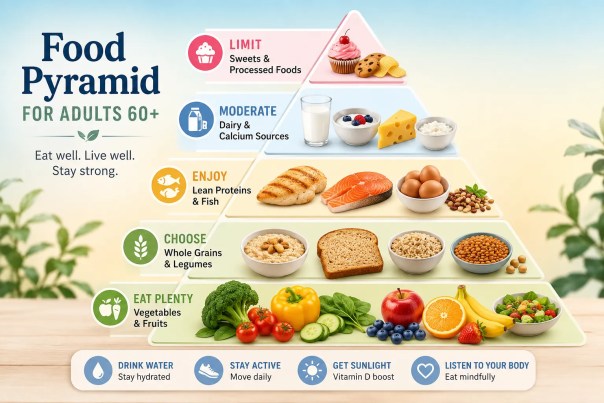
Tag Archives: healthy eating for seniors

Low Sodium Meals for Seniors: Simple Everyday Meal Ideas

Low Sodium Meals for Seniors: Simple Everyday Meal Ideas

Low sodium meals for seniors use fresh ingredients and basic cooking methods to keep salt intake down without making food taste bland. Most packaged foods, restaurant meals, and processed items contain far more sodium than home-cooked meals made from whole ingredients.

This article covers simple meal ideas for breakfast, lunch, and dinner that work with common foods. It explains where sodium hides in everyday foods, how to replace high-sodium ingredients with lower-sodium options, and practical ways to add flavor without relying on salt.

() photograph showing a realistic breakfast table scene in natural morning light. Close-up view of a white bowl filled with

Key Takeaways

  • Most sodium comes from packaged and processed foods, not from the salt shaker
  • Fresh ingredients like plain meats, vegetables, and grains contain very little natural sodium
  • Simple ingredient swaps can cut sodium significantly without changing meal structure
  • Herbs, spices, citrus, and vinegar add flavor without adding sodium
  • Meal ideas that are easy to prepare work better than complicated low-sodium recipes

Why Lower-Sodium Meals Matter

Sodium affects fluid balance and blood pressure. Many older adults need to reduce sodium intake, but most dietary sodium comes from foods that don’t taste particularly salty.

Bread, cheese, deli meat, canned soup, frozen dinners, and restaurant meals all contain high amounts of sodium. A single serving of canned soup can contain 800 to 1,200 milligrams of sodium. Two slices of deli turkey can contain 500 milligrams. A restaurant entrée often contains more than 2,000 milligrams.

Cooking at home with fresh ingredients gives you control over how much sodium goes into each meal. This doesn’t require special recipes or hard-to-find ingredients. It means choosing foods that start with little or no sodium and building meals from there.

For more context on everyday food choices, see our guide to healthy eating for seniors.

What Makes a Meal Lower in Sodium

A lower-sodium meal uses fresh or minimally processed ingredients and limits packaged foods that contain added salt.

Fresh ingredients that are naturally low in sodium:

  • Plain chicken, turkey, beef, pork, or fish
  • Fresh or frozen vegetables without sauce
  • Fresh or frozen fruit
  • Plain rice, pasta, oats, or other grains
  • Dried beans and lentils
  • Eggs
  • Unsalted nuts and seeds

Common high-sodium foods to limit:

  • Canned soups and broths
  • Deli meats and hot dogs
  • Frozen dinners and pizza
  • Packaged seasoning mixes
  • Soy sauce and teriyaki sauce
  • Canned vegetables with added salt
  • Cheese (especially processed cheese)
  • Bread and rolls (varies by brand)
  • Salad dressings and condiments

Reading nutrition labels helps. The sodium content is listed in milligrams per serving. Compare brands when possible. Some products labeled “low sodium” or “no salt added” contain significantly less sodium than standard versions.

For broader guidance on daily food choices, see our article on healthy nutrition for seniors.

Simple Low Sodium Meal Ideas

These meal ideas use common foods and simple preparation methods. They’re easy to adjust based on what you have available.

Breakfast Ideas

Oatmeal with fresh fruit
Cook plain oats with water or milk. Top with sliced banana, berries, or diced apple. Add a sprinkle of cinnamon or a small handful of unsalted nuts.

Scrambled eggs with vegetables
Scramble two eggs with diced tomatoes, bell peppers, or spinach. Serve with a slice of whole grain toast (check the label for lower-sodium bread).

Plain yogurt with fruit
Use plain unsweetened yogurt instead of flavored varieties, which often contain added sodium. Add fresh berries, sliced peaches, or a drizzle of honey.

Whole grain toast with avocado
Mash half an avocado on toast. Add black pepper, a squeeze of lemon, and sliced tomato.

Lunch Ideas

Grilled chicken salad
Use fresh greens, sliced cucumber, cherry tomatoes, and grilled chicken breast. Make a simple dressing with olive oil, lemon juice, and black pepper.

Tuna salad without mayo
Mix canned tuna (look for low-sodium or no-salt-added versions) with diced celery, a small amount of olive oil, lemon juice, and black pepper. Serve on whole grain bread or over greens.

Vegetable and bean soup
Use low-sodium broth or make your own by simmering chicken bones or vegetables. Add fresh or frozen vegetables, canned beans (rinsed to remove excess sodium), and dried herbs like thyme or bay leaf.

Egg salad sandwich
Hard-boil eggs and mash with a small amount of plain yogurt or olive oil. Add diced celery, black pepper, and a pinch of paprika. Serve on lower-sodium bread.

For more simple meal formats, see our guide to simple healthy meals for seniors.

() overhead flat-lay photograph of a dinner plate on a wooden table showing grilled chicken breast with visible grill marks,

Dinner Ideas

Baked chicken with roasted vegetables
Season chicken breast with black pepper, garlic powder, and dried herbs. Bake at 375°F for 25 to 30 minutes. Roast vegetables like carrots, broccoli, or Brussels sprouts on a separate pan with a small amount of olive oil.

Grilled fish with steamed vegetables
Grill or bake a piece of salmon, cod, or tilapia. Season with lemon juice, black pepper, and dill. Serve with steamed green beans or asparagus and a side of brown rice.

Stir-fry with fresh ingredients
Use fresh chicken, shrimp, or tofu. Stir-fry with vegetables like bell peppers, snap peas, and carrots. Season with garlic, ginger, a small amount of low-sodium soy sauce, and a squeeze of lime. Serve over rice or noodles.

Pasta with homemade tomato sauce
Cook whole grain pasta. Make a simple sauce by sautéing garlic in olive oil, adding canned no-salt-added tomatoes, and seasoning with basil, oregano, and black pepper. Add ground turkey or white beans for protein.

Baked pork chop with sweet potato
Season a pork chop with black pepper, paprika, and a small amount of olive oil. Bake at 375°F for 20 to 25 minutes. Serve with a baked sweet potato and a side of steamed spinach.

For additional meal ideas, see our guide to simple meals for elderly.

Easy Ingredient Swaps

Small changes to ingredients can reduce sodium significantly without changing the structure of a meal.

Instead of canned soup, use:
Low-sodium broth or homemade broth made by simmering chicken, beef, or vegetables with water.

Instead of deli meat, use:
Leftover roasted chicken or turkey, or cook a small piece of fresh chicken breast to slice for sandwiches.

Instead of regular canned vegetables, use:
Fresh or frozen vegetables, or canned vegetables labeled “no salt added.”

Instead of seasoning packets, use:
Your own mix of dried herbs and spices. Common options include garlic powder, onion powder, black pepper, paprika, cumin, oregano, basil, thyme, and rosemary.

Instead of soy sauce, use:
Low-sodium soy sauce (use half the amount), or a mix of lemon juice and a small amount of vinegar for a tangy flavor.

Instead of regular cheese, use:
Smaller amounts of cheese, or choose lower-sodium varieties. Swiss and mozzarella tend to have less sodium than cheddar or processed cheese.

Instead of salted butter, use:
Unsalted butter or olive oil.

Instead of store-bought salad dressing, use:
Olive oil and vinegar, or olive oil with lemon juice and black pepper.

Adding Flavor Without Salt

Fresh herbs, spices, acids, and aromatics add flavor without adding sodium.

Herbs:
Fresh or dried basil, oregano, thyme, rosemary, parsley, cilantro, and dill all add distinct flavors. Fresh herbs are more potent than dried. Use about three times as much fresh herb as dried.

Spices:
Black pepper, paprika, cumin, coriander, turmeric, cinnamon, and chili powder add warmth and depth. Toast whole spices in a dry pan before grinding for stronger flavor.

Citrus:
Lemon, lime, and orange juice brighten flavors. Add a squeeze of citrus at the end of cooking or just before serving.

Vinegar:
Balsamic, red wine, apple cider, and rice vinegar add acidity. A small amount goes a long way.

Garlic and onion:
Fresh garlic and onion add savory flavor. Roasting or sautéing them brings out sweetness.

Ginger:
Fresh ginger adds a sharp, warming flavor. Grate it into stir-fries, soups, or marinades.

Mustard:
Dijon or whole-grain mustard adds tang. Check the label, as some mustards contain added sodium, but most contain less than other condiments.

For more practical guidance on everyday eating, see our article on healthy eating tips for seniors.

Practical Meal Planning Tips

Planning a few meals ahead makes it easier to keep sodium intake lower without extra effort each day.

Cook larger portions and use leftovers.
Roast a whole chicken or a larger piece of meat. Use the leftovers for sandwiches, salads, or a second dinner. This reduces the need for high-sodium deli meat or frozen meals.

Prepare ingredients in advance.
Wash and chop vegetables, cook a batch of rice or pasta, or hard-boil eggs. Store them in the refrigerator to assemble meals quickly.

Keep a few staple meals in rotation.
Choose three or four simple meals you can make without a recipe. Rotate them throughout the week. This reduces decision-making and keeps grocery shopping straightforward.

Read labels when shopping.
Compare sodium content across brands. Look for products labeled “low sodium,” “reduced sodium,” or “no salt added.” Even small differences add up over the course of a week.

Rinse canned foods.
If you use canned beans or vegetables, rinse them under running water. This removes some of the sodium from the liquid.

Limit restaurant meals.
Restaurant meals are difficult to control for sodium. When eating out, ask for sauces and dressings on the side, choose grilled or baked items instead of fried, and skip the bread basket.

For a broader framework on planning meals, see our guide to healthy meal plan for seniors.

Conclusion

Low sodium meals for seniors don’t require complicated recipes or specialty ingredients. They use fresh foods, simple cooking methods, and basic seasonings to keep sodium intake lower without making meals feel restrictive.

Start with one or two ingredient swaps or meal ideas that fit your current routine. Build from there as you find what works. Small, consistent changes make a bigger difference than trying to overhaul everything at once.


This article is part of our Simple Healthy Meals for Seniors series.

Share This Page

Foods That Heal The Pancreas: A Comprehensive Guide to Pancreatic Nutrition and Recovery

Foods That Heal The Pancreas

Quick Answer

Foods that heal the pancreas work by reducing the organ’s workload and providing nutrients that combat inflammation. A low-fat diet with lean proteins, antioxidant-rich fruits and vegetables, and specific protective foods like garlic, sweet potatoes, and leafy greens supports pancreatic recovery. While food can’t cure a damaged pancreas, strategic dietary changes help the organ rest and reduce further damage during healing.

Key Takeaways

  • Low-fat eating is essential: The pancreas works harder to digest fat, so limiting fat intake reduces strain and allows inflammation to subside
  • Lean proteins support healing: Chicken, fish, turkey, beans, and lentils provide necessary nutrition without overtaxing the organ
  • Antioxidant-rich foods reduce inflammation: Blueberries, cherries, leafy greens, and cruciferous vegetables combat oxidative stress in pancreatic tissue
  • Specific foods offer measurable protection: Garlic reduces pancreatic cancer risk by 54%, while sweet potatoes lower risk by 50%
  • Probiotic foods aid digestion: Low-fat yogurt with active cultures improves digestive function and reduces cancer risk
  • Fiber-rich whole foods prevent complications: High-fiber options support digestion and help prevent gallstone formation
  • Portion control matters as much as food choice: Small, frequent meals reduce pancreatic workload better than large portions
  • Certain foods must be eliminated entirely: Alcohol, fried foods, butter, and processed junk food can worsen pancreatic inflammation

What Are the Top Natural Foods That Support Pancreatic Health and Healing?

The most effective foods that heal the pancreas include leafy greens, cruciferous vegetables, antioxidant-rich fruits, lean proteins, and specific protective foods like garlic and sweet potatoes. These foods reduce inflammation, provide essential nutrients, and minimize the digestive workload on your pancreas.

Leafy Greens and Cruciferous Vegetables

Spinach stands out as a pancreatic protector because it’s high in vitamin B and iron that directly protect the organ[1]. Meanwhile, broccoli contains specific compounds called flavonoids—apigenin and luteolin—that research from the University of Illinois shows can eliminate cells that might develop into pancreatic cancer[1][4].

These vegetables work best when:

  • Steamed or lightly cooked rather than raw (easier to digest)
  • Eaten in moderate portions (1-2 cups per meal)
  • Prepared without heavy oils or butter

Antioxidant-Rich Fruits

Blueberries, cherries, and red grapes provide powerful support for pancreatic function. Cherries contain a compound called perillyl alcohol (POH) that’s linked to cancer prevention, while the resveratrol in red grapes has been shown to kill pancreatic cancer cells[1].

Choose these fruits because they:

  • Deliver concentrated antioxidants without excess sugar
  • Can be eaten fresh, frozen, or as part of low-fat yogurt
  • Provide nutrients that combat free radicals and oxidative stress

Sweet Potatoes

Research from the University of California found that sweet potatoes lower the chance of pancreatic cancer by 50%[1]. Their orange color indicates high levels of protective compounds, and they have a lower glycemic index than white potatoes, making them gentler on blood sugar regulation.

Garlic

A study published by the National Cancer Institute revealed that garlic reduces pancreatic cancer risk by 54% in people who include it regularly in their diet[1]. This makes garlic one of the most protective foods available for pancreatic health.

Add garlic to your meals by:

  • Mincing fresh cloves into cooked dishes
  • Avoiding heavy garlic butter preparations
  • Using it to flavor lean proteins and vegetables

For more guidance on building meals around these protective foods, see our guide to healthy foods for seniors.

() editorial image showing close-up arrangement of antioxidant-rich foods for pancreatic health: fresh blueberries in

How Can Diet Help Repair and Regenerate Pancreatic Tissue?

Diet supports pancreatic healing primarily by reducing the organ’s workload and providing nutrients that combat inflammation. While food can’t regenerate severely damaged tissue, strategic eating allows the pancreas to rest and prevents additional damage during recovery.

Resting the Organ Through Dietary Modification

In acute pancreatitis cases, doctors often recommend a clear liquid diet or even temporary fasting to stop the production of digestive enzymes that worsen inflammation[2]. As recovery progresses, gradually introducing low-fat, easily digestible foods allows the pancreas to function without strain.

The progression typically looks like:

  1. Clear liquids (broth, water, clear juice)
  2. Low-fat liquids (skim milk, low-fat yogurt)
  3. Soft, low-fat solids (lean proteins, cooked vegetables)
  4. Regular low-fat diet with careful portion control

Reducing Stress Through Fat Limitation

The pancreas produces enzymes specifically for fat digestion. A high-fat meal forces the organ to work much harder, potentially triggering pain and inflammation in someone with pancreatitis[2]. Experts recommend keeping fat intake low—typically under 50 grams daily for those recovering from pancreatic issues[6].

This means:

  • Choosing lean proteins (chicken breast, fish, turkey) over fatty cuts
  • Avoiding fried foods, butter, and heavy cream
  • Reading labels to track fat content in packaged foods

Controlling Inflammation With Antioxidants

Foods rich in antioxidants help combat free radicals and reduce oxidative stress in pancreatic tissues[3]. Leafy greens, berries, and cruciferous vegetables provide these protective compounds without adding fat or excessive calories.

Common mistake: Some people assume all “healthy fats” are fine during pancreatic recovery. Even beneficial fats from avocado, nuts, and olive oil must be carefully portioned—they still require pancreatic enzymes for digestion[2][7].

Our healthy nutrition for seniors guide offers additional strategies for building anti-inflammatory eating patterns.

What Specific Nutrients Are Most Effective for Pancreas Recovery?

The most effective nutrients for pancreatic recovery include lean protein, specific vitamins (especially B vitamins and antioxidants), fiber, and carefully controlled amounts of healthy fats. These nutrients support healing while minimizing digestive strain.

Lean Protein

Protein is essential for tissue repair and maintaining strength during recovery. The key is choosing sources that are naturally low in fat[2][6]:

  • Chicken breast (skinless, baked or grilled)
  • Fish (cod, tilapia, haddock—not fried)
  • Turkey (lean cuts without skin)
  • Beans and lentils (excellent plant-based options)
  • Egg whites (whole eggs in moderation)

Aim for 3-4 ounces of lean protein per meal, which provides adequate nutrition without overwhelming the pancreas.

B Vitamins and Iron

These nutrients, abundant in spinach and other leafy greens, directly protect pancreatic tissue[1]. B vitamins support cellular function and energy metabolism, while iron helps maintain healthy blood and tissue oxygenation.

Fiber

High-fiber foods support digestion and help prevent gallstone formation, which can trigger or worsen pancreatitis[3]. Good sources include:

  • Whole grains (brown rice, oatmeal, whole wheat bread)
  • Vegetables (broccoli, carrots, green beans)
  • Fruits (apples, pears, berries)
  • Legumes (lentils, chickpeas, black beans)

Controlled Healthy Fats

While fat must be limited, small amounts of certain fats help absorb fat-soluble vitamins (A, D, E, and K)[2][7]. If your doctor approves, include tiny portions of:

  • Olive oil (1 teaspoon for cooking)
  • Avocado (1-2 tablespoons)
  • Fatty fish like salmon (small portions, once weekly)
  • Nuts and seeds (1 tablespoon as a snack)

Probiotics

The National Cancer Institute recommends three servings daily of fat-free or low-fat yogurt with active cultures to improve digestion and reduce pancreatic cancer risk[1]. Probiotics support gut health, which indirectly benefits pancreatic function.

Decision rule: Choose yogurt if it’s labeled “fat-free” or “low-fat” and contains “live and active cultures.” Greek yogurt provides extra protein but check the fat content carefully.

Infographic-style editorial image showcasing 'Key Takeaways' about pancreatic healing foods, featuring a central human

Can Certain Foods Reduce Inflammation and Promote Pancreas Healing?

Yes, specific foods that heal the pancreas work by reducing inflammation through antioxidant compounds, protective phytochemicals, and anti-inflammatory properties. These foods don’t “cure” pancreatitis but they create conditions that support recovery and prevent further damage.

Anti-Inflammatory Vegetables

Cruciferous vegetables like broccoli, cauliflower, and Brussels sprouts contain compounds that actively reduce inflammation. The flavonoids apigenin and luteolin in broccoli specifically target cells that could become cancerous[1][4].

Antioxidant Fruits

Berries deliver concentrated antioxidants that combat oxidative stress:

  • Blueberries: High in anthocyanins that reduce inflammation
  • Cherries: Contain perillyl alcohol linked to cancer prevention[1]
  • Red grapes: Resveratrol kills pancreatic cancer cells[1]

These fruits work best when eaten fresh or frozen, not as juice (which concentrates sugar and removes fiber).

Garlic’s Protective Effect

The 54% reduction in pancreatic cancer risk associated with regular garlic consumption makes it one of the most protective foods available[1]. Garlic contains sulfur compounds that reduce inflammation and support immune function.

Foods to Completely Avoid

Some foods actively worsen pancreatic inflammation and must be eliminated[3]:

  • Alcohol: Directly toxic to pancreatic tissue
  • Fried foods: High fat content triggers enzyme production
  • Butter and margarine: Pure fat that strains the organ
  • Processed junk food: High in fat, sugar, and inflammatory compounds
  • Fast food: Typically fried or high in unhealthy fats

Edge case: Some people tolerate small amounts of healthy fats better than others. Work with your doctor to determine your individual fat threshold—it varies based on the severity of pancreatic damage and stage of recovery.

For broader guidance on anti-inflammatory eating, see our article on heart healthy foods for seniors.

What Dietary Strategies Can Help Manage and Improve Pancreatic Function?

The most effective dietary strategies for managing pancreatic function include eating small frequent meals, following a low-fat high-protein pattern, prioritizing easily digestible foods, and maintaining consistent meal timing. These approaches reduce pancreatic workload while ensuring adequate nutrition.

Small, Frequent Meals

Instead of three large meals, eat 5-6 smaller portions throughout the day[2]. This approach:

  • Prevents overwhelming the pancreas with large amounts of food at once
  • Maintains steadier blood sugar levels
  • Reduces the enzyme surge that large meals trigger
  • Makes it easier to meet nutritional needs without discomfort

The Low-Fat, High-Protein Framework

A well-balanced diet for pancreatic health includes[2][6]:

  • Lean proteins: 3-4 ounces per meal
  • Whole grains: 1/2 to 1 cup per meal
  • Vegetables: 1-2 cups per meal (cooked, not raw)
  • Fruits: 1 serving per meal or snack
  • Nonfat or low-fat dairy: 2-3 servings daily

Keep total fat under 50 grams daily, with most meals containing 10-15 grams or less.

Practical Meal Examples

A sample day of pancreas-friendly eating might include[5]:

Breakfast

  • Low-fat yogurt with blueberries and a sprinkle of granola
  • Slice of whole wheat toast (no butter)
  • Herbal tea

Mid-Morning Snack

  • Apple slices
  • Small handful of pretzels

Lunch

  • Grilled chicken breast (3 oz)
  • Steamed broccoli (1 cup)
  • Brown rice (1/2 cup)
  • Fresh cherries

Afternoon Snack

  • Low-fat string cheese
  • Whole grain crackers (5-6)

Dinner

  • Baked cod (4 oz)
  • Roasted sweet potato (1 medium)
  • Steamed asparagus
  • Small garden salad with lemon juice dressing

Evening Snack

  • Small bowl of berries

Meal Preparation Tips

  • Cooking methods: Bake, grill, steam, or poach—never fry
  • Seasoning: Use herbs, garlic, lemon, and spices instead of butter or oil
  • Portion control: Measure servings until you can estimate accurately
  • Advance preparation: Cook proteins and grains in batches for easy assembly

Hydration Strategy

Drink plenty of water throughout the day, but avoid drinking large amounts with meals (which can make you feel too full to eat adequate nutrition). Aim for 6-8 glasses of water daily, sipped between meals.

Common mistake: Skipping meals because you don’t feel hungry. Consistent eating helps maintain nutrition and prevents blood sugar swings, even if appetite is reduced during recovery.

For more meal planning guidance, see our senior meal planning and food choices resource.

() split-screen comparison image showing foods to embrace versus foods to avoid for pancreatic health. Left side displays

How Do You Build a Sustainable Pancreas-Healing Eating Pattern?

Building a sustainable eating pattern for pancreatic health means creating simple routines you can maintain long-term, not following a restrictive temporary diet. Focus on establishing daily habits, preparing simple meals, and making gradual adjustments that fit your life.

I have created a downloadable PDF file titled Pancreas Friendly Eating Pattern Starter Template that you can download just below this section and use to track you progress.

Start With Basic Meal Templates

Create 3-4 simple meal templates you can rotate:

Template 1: Protein + Grain + Vegetable

  • Grilled chicken + brown rice + steamed broccoli
  • Baked fish + quinoa + green beans
  • Turkey breast + whole wheat pasta + carrots

Template 2: Soup-Based Meal

  • Lentil soup with whole grain crackers
  • Chicken and vegetable soup with brown rice
  • Bean and vegetable soup with whole wheat roll

Template 3: Breakfast Options

  • Low-fat yogurt + berries + whole grain cereal
  • Oatmeal + sliced banana + cinnamon
  • Scrambled egg whites + whole wheat toast + fruit

Build a Shopping List

Keep these staples on hand:

Proteins

  • Boneless, skinless chicken breast
  • Lean ground turkey
  • White fish (cod, tilapia)
  • Canned tuna in water
  • Dried lentils and beans
  • Egg whites or whole eggs

Vegetables

  • Spinach and mixed greens
  • Broccoli and cauliflower
  • Sweet potatoes
  • Carrots
  • Green beans
  • Asparagus

Fruits

  • Blueberries
  • Cherries
  • Apples
  • Bananas
  • Red grapes

Grains

  • Brown rice
  • Oatmeal
  • Whole wheat bread
  • Whole grain crackers
  • Quinoa

Dairy

  • Fat-free or low-fat yogurt
  • Skim milk
  • Low-fat string cheese

Gradual Implementation

Don’t try to change everything at once. Start with:

Week 1: Eliminate fried foods and alcohol
Week 2: Switch to low-fat dairy products
Week 3: Replace fatty proteins with lean options
Week 4: Add more vegetables and whole grains
Week 5+: Fine-tune portions and meal timing

Eating Out Strategies

Restaurant meals can fit a pancreas-friendly pattern if you:

  • Choose grilled, baked, or steamed preparations
  • Ask for sauces and dressings on the side (or skip them)
  • Request vegetables instead of fries
  • Eat half the portion and take the rest home
  • Avoid buffets and fried appetizers

Social Situations

When eating at friends’ homes or gatherings:

  • Eat a small snack beforehand so you’re not overly hungry
  • Focus on vegetables, lean proteins, and fruits
  • Politely decline fried foods and rich desserts
  • Bring a dish you can eat to contribute and ensure options

Tracking Progress

Keep a simple food journal for the first few weeks:

  • What you ate and when
  • Portion sizes
  • How you felt afterward
  • Any symptoms or discomfort

This helps identify patterns and foods that work well or cause problems.

Decision rule: If a food causes discomfort, bloating, or pain, eliminate it for two weeks then try reintroducing in a smaller portion. Some people tolerate certain foods better than others, even within recommended categories.

Our healthy meal plan for seniors provides additional framework for building sustainable eating patterns.

Download The Pancreas Friendly Eating Pattern Starter Template

What Role Do Supplements Play in Pancreatic Health?

Supplements may be necessary for people with pancreatic insufficiency or malabsorption issues, but they should complement—not replace—a proper diet. The most common supplements for pancreatic health include pancreatic enzymes, fat-soluble vitamins, and specific nutrients that may be poorly absorbed.

Pancreatic Enzyme Replacement

When the pancreas can’t produce enough digestive enzymes, prescription enzyme supplements help digest food[8]. These are taken with every meal and snack containing fat or protein.

Fat-Soluble Vitamins

People with pancreatic insufficiency often can’t absorb vitamins A, D, E, and K properly[8]. Your doctor may recommend supplements if blood tests show deficiencies.

Other Common Supplements

Depending on individual needs:

  • B12: Often deficient in chronic pancreatitis
  • Calcium and vitamin D: Important for bone health
  • Multivitamin: General nutritional insurance
  • Probiotics: May support digestive health (discuss with your doctor)

Important cautions:

  • Never start supplements without discussing with your doctor
  • Some supplements can interact with medications
  • High-dose vitamins can sometimes worsen pancreatic issues
  • Food sources are always preferred when absorption is adequate

When supplements are most needed:

  • Diagnosed pancreatic insufficiency
  • Chronic pancreatitis with malabsorption
  • After pancreatic surgery
  • Documented vitamin deficiencies on blood tests

Focus on getting nutrients from foods that heal the pancreas first, then use supplements to fill specific gaps identified by your healthcare team.

() realistic meal prep scene showing complete pancreas-friendly daily menu: breakfast plate with low-fat yogurt and berries,

How Long Does It Take to See Improvement With Dietary Changes?

Most people notice some improvement in symptoms within 2-4 weeks of following a pancreas-friendly diet, but full recovery depends on the severity of damage and consistency with dietary changes. Acute pancreatitis may resolve in days to weeks, while chronic pancreatitis requires long-term dietary management.

Timeline for Different Situations

Acute Pancreatitis Recovery

  • Days 1-3: Clear liquids only, symptoms begin improving
  • Days 4-7: Gradual introduction of low-fat foods
  • Weeks 2-4: Return to normal eating with continued fat restriction
  • Weeks 4-8: Most people feel significantly better with dietary compliance

Chronic Pancreatitis Management

  • Weeks 1-2: Initial symptom reduction with strict low-fat diet
  • Months 1-3: Gradual improvement in digestion and comfort
  • Months 3-6: Stabilization with consistent dietary management
  • Ongoing: Continued adherence prevents flare-ups

Factors That Affect Recovery Speed

  • Severity of initial damage: More severe inflammation takes longer to heal
  • Dietary compliance: Strict adherence speeds recovery; cheating delays it
  • Alcohol cessation: Continued drinking prevents healing entirely
  • Overall health: Other conditions can slow recovery
  • Age: Healing may take longer in older adults

Signs of Improvement

You’re on the right track when you notice:

  • Reduced abdominal pain
  • Less bloating and discomfort after meals
  • Improved appetite
  • Better energy levels
  • Normalized bowel movements
  • Weight stabilization (after initial loss)

When to Seek Medical Attention

Contact your doctor if:

  • Pain worsens despite dietary changes
  • You develop fever or chills
  • You can’t keep food down
  • You lose weight rapidly
  • Symptoms don’t improve after 2-3 weeks of dietary compliance

Realistic expectations: Pancreatic healing is gradual. Don’t expect overnight changes, but do expect steady improvement with consistent effort. Small setbacks are normal—what matters is getting back on track quickly.

For additional guidance on building sustainable health habits, see our article on healthy habits for seniors.

Frequently Asked Questions

What is the best breakfast for pancreas health?

The best breakfast for pancreatic health includes low-fat yogurt with berries, oatmeal with sliced banana, or scrambled egg whites with whole wheat toast. Avoid fatty breakfast meats, butter, and fried foods. Keep portions moderate and include protein, whole grains, and fruit.

Can you eat eggs with pancreatitis?

Yes, eggs can be part of a pancreas-friendly diet, but preparation matters. Egg whites are ideal because they’re pure protein with no fat. Whole eggs can be eaten in moderation (1-2 per day) if prepared without added fat—poached, boiled, or scrambled with cooking spray rather than butter.

Are bananas good for the pancreas?

Bananas are generally safe and beneficial for pancreatic health. They’re easy to digest, low in fat, provide natural sweetness without added sugar, and contain potassium and fiber. They work well as snacks or added to oatmeal or low-fat yogurt.

What drinks are good for pancreas health?

Water is the best choice for pancreatic health. Other good options include herbal teas, clear broth, and diluted fruit juice (in moderation). Avoid alcohol completely, limit caffeine, and skip sugary sodas and energy drinks. Drink fluids between meals rather than with meals.

Can the pancreas repair itself with proper diet?

The pancreas has limited ability to repair mild damage when given proper rest through dietary changes. A low-fat diet reduces workload and allows inflammation to subside. However, severe or chronic damage may be permanent, though proper diet prevents further deterioration and manages symptoms.

Is coffee bad for the pancreas?

Coffee in moderation (1-2 cups daily) is generally acceptable for most people with pancreatic issues, but individual tolerance varies. Avoid adding cream, whole milk, or sugar. Some people find caffeine irritating during acute flare-ups. If coffee causes discomfort, switch to herbal tea.

What vegetables should you avoid with pancreatitis?

Most vegetables are beneficial for pancreatic health. However, during acute flare-ups, avoid raw vegetables (which are harder to digest) and gas-producing vegetables like cabbage, onions, and beans if they cause discomfort. Cooked, easily digestible vegetables like carrots, green beans, and squash are better tolerated.

Can you eat chicken with pancreatitis?

Yes, chicken is an excellent protein choice for pancreatic health. Choose skinless chicken breast, and prepare it by baking, grilling, or poaching—never fried. A 3-4 ounce portion provides adequate protein without excessive fat. Avoid chicken thighs, wings, and dark meat, which contain more fat.

Are sweet potatoes better than regular potatoes for the pancreas?

Yes, sweet potatoes are significantly better for pancreatic health. Research shows they lower pancreatic cancer risk by 50%, have a lower glycemic index, and contain more protective antioxidants than white potatoes[1]. Bake or roast them without added butter or oil.

What snacks are safe for pancreatic health?

Safe snacks include fresh fruit, low-fat yogurt, whole grain crackers, pretzels, rice cakes with a thin spread of almond butter, vegetables with hummus (small amount), air-popped popcorn (no butter), and low-fat string cheese. Keep portions small and avoid fried chips, cookies, and candy.

How much fat can you eat with pancreatitis?

Most experts recommend limiting fat to 50 grams or less per day for pancreatic issues, with individual meals containing 10-15 grams or less[6]. Track fat grams by reading nutrition labels and using a food diary. Your doctor may adjust this target based on your specific situation.

Can you ever eat normally again after pancreatitis?

Many people with acute pancreatitis can return to relatively normal eating after full recovery, though they typically need to permanently limit fat intake and avoid alcohol. Those with chronic pancreatitis usually require lifelong dietary modifications. The key is finding a sustainable eating pattern that prevents symptoms while providing adequate nutrition.

Conclusion

Foods that heal the pancreas work by reducing the organ’s workload, providing anti-inflammatory nutrients, and creating conditions that support recovery. While no food can cure severe pancreatic damage, strategic dietary choices make a measurable difference in managing symptoms and preventing further harm.

The foundation of pancreatic nutrition is simple: emphasize lean proteins, vegetables, fruits, and whole grains while strictly limiting fat and eliminating alcohol and fried foods. Specific protective foods like garlic, sweet potatoes, leafy greens, and antioxidant-rich berries offer additional benefits backed by research.

Your next steps:

  1. Start with one change this week: Eliminate fried foods and alcohol if you haven’t already
  2. Build simple meal templates: Use the protein + grain + vegetable formula for easy planning
  3. Stock your kitchen: Keep lean proteins, vegetables, fruits, and whole grains on hand
  4. Eat smaller, more frequent meals: Aim for 5-6 small portions rather than 3 large meals
  5. Track your response: Note which foods make you feel better or worse
  6. Work with your healthcare team: Get personalized guidance based on your specific situation

Remember that healing takes time. Focus on consistency rather than perfection, and celebrate small improvements along the way. The dietary changes that support pancreatic health also promote overall wellness, helping you maintain strength, energy, and independence as you age.

For additional support in building healthy eating patterns, explore our guides on easy healthy meals for seniors and healthy eating tips for seniors.

References

[1] Foods That Promote A Healthy Pancreas – https://singaramgastro.com/foods-that-promote-a-healthy-pancreas/

[2] Help Take Pain Out Pancreatitis Your Diet – https://columbiasurgery.org/news/2013/04/11/help-take-pain-out-pancreatitis-your-diet

[3] Apdt 3 107 – https://www.organscigroup.us/articles/APDT-3-107.php

[4] Creating Pancreatitis Diet – https://www.tabibmd.com/blog/creating-pancreatitis-diet/

[5] Pancreatitis Easy Meals – https://www.sarahlynnnutrition.com/pancreatitis-easy-meals/

[6] Nutrition For Chronic Pancreatitis – https://mission-cure.org/managing-pancreatitis/nutrition-for-chronic-pancreatitis/

[7] Nutrition What To Eat – https://letswinpc.org/disease-management/diet/nutrition-what-to-eat/

[8] Diet And Nutrition – https://pancan.org/facing-pancreatic-cancer/living-with-pancreatic-cancer/diet-and-nutrition/


This article is part of our Foods That Support Healing and Recovery

 series.

Share This Page

Foods That Heal The Kidneys: Superfoods for Kidney Health

Foods That Heal The Kidneys

Quick Answer

Foods that heal the kidneys include red bell peppers, fatty fish like salmon, berries, leafy greens, and whole grains. These foods provide antioxidants, omega-3 fats, and fiber while being low in sodium and balanced in potassium. A kidney-friendly eating pattern emphasizes whole foods, adequate hydration, and controlled protein intake to support kidney function naturally as we age.

Key Takeaways

  • Red bell peppers, berries, and leafy greens provide powerful antioxidants that reduce inflammation and oxidative stress on kidneys
  • Fatty fish like salmon and sardines deliver omega-3 fats that protect against chronic kidney problems
  • Whole grains support gut health and help kidneys manage toxins more effectively
  • Low-sodium choices prevent dehydration and high blood pressure that strain kidney function
  • Balanced potassium intake matters more as kidney function changes with age
  • Hydration with plain water helps kidneys filter waste efficiently
  • Working with a dietitian ensures your eating plan matches your specific kidney health needs
  • Consistency with simple daily habits matters more than perfect adherence to complex rules
  • Regular monitoring helps catch changes early when dietary adjustments work best

() image showing close-up cross-section of human kidneys with transparent highlighting healthy kidney tissue in warm pink

What Foods That Heal the Kidneys Mean for Seniors

Foods that heal the kidneys are whole foods that reduce inflammation, provide essential nutrients, and avoid placing extra stress on kidney function. For adults over 50, these foods become practical tools for maintaining kidney health during a time when kidney function naturally declines.

Your kidneys filter about 200 quarts of blood daily, removing waste and balancing fluids. As we age, this filtering capacity decreases gradually. Choosing foods that support rather than burden this process helps maintain independence and energy levels.

Key kidney-supporting foods include:

  • Red bell peppers (low potassium, high in vitamins C and A)
  • Fatty fish like salmon, trout, and sardines (omega-3 rich)
  • Berries including blueberries, raspberries, and cranberries (antioxidant-dense)
  • Leafy greens such as cabbage and lettuce (folate and antioxidants)
  • Whole grains like brown rice and oats (fiber for gut and kidney health)
  • Apples, grapes, and pineapple (low potassium fruit options)
  • Cauliflower and onions (low potassium vegetables)

These foods work by reducing oxidative stress, lowering inflammation, and providing nutrients that help kidneys function efficiently without overloading them with sodium, phosphorus, or excessive protein.

The goal isn’t perfection. Small, consistent changes to include more of these foods while reducing processed options creates meaningful support for kidney health over time.


Why Kidney-Supportive Foods Become More Important With Age

Kidney function declines naturally after age 40, with filtering capacity decreasing about 1% per year in many adults. By age 70, kidneys may work at 60-70% of their earlier capacity even without disease.

This gradual change means kidneys become less efficient at removing waste products, balancing electrolytes like potassium and sodium, and managing fluid levels. High blood pressure and diabetes, both more common with age, accelerate this decline.

Age-related kidney changes include:

  • Reduced number of functioning filtering units (nephrons)
  • Decreased blood flow to kidneys
  • Less efficient waste removal
  • Slower response to dehydration or electrolyte imbalances
  • Increased sensitivity to medications that affect kidneys

Foods that heal the kidneys matter more during this time because they reduce the workload on already-stressed organs. Antioxidant-rich foods combat oxidative damage that accumulates over decades. Low-sodium choices prevent blood pressure spikes that damage delicate kidney tissues. Balanced protein intake avoids overwhelming the kidneys’ filtering capacity.

Many seniors take multiple medications that kidneys must process. Eating patterns that support kidney health create a buffer, helping these organs manage their increasing responsibilities.

The connection between diet and kidney health isn’t immediate. Changes accumulate over months and years, making consistent daily habits more valuable than occasional perfect meals. For more context on building sustainable eating patterns, see our guide to healthy nutrition for seniors.


() detailed food photography composition featuring kidney-healing superfoods arranged in distinct groups on rustic wooden

How Kidney Health Affects Daily Life and Independence

Kidney function directly impacts energy levels, fluid balance, bone strength, and overall comfort. When kidneys work efficiently, you feel more energetic, sleep better, and maintain steady blood pressure.

Daily life impacts of kidney health:

  • Energy and fatigue: Kidneys produce a hormone that signals bone marrow to make red blood cells. Reduced kidney function can lead to anemia and persistent tiredness that limits activity.
  • Fluid retention: Struggling kidneys may retain excess fluid, causing swollen ankles, shortness of breath, and disrupted sleep from nighttime bathroom trips.
  • Appetite and nutrition: Waste buildup from poor kidney function can cause nausea and appetite loss, making it harder to maintain strength and muscle mass.
  • Bone health: Kidneys activate vitamin D and balance calcium and phosphorus. Declining function weakens bones and increases fall risk.
  • Medication management: Many common medications require dose adjustments when kidney function declines, complicating treatment for other conditions.

These effects compound over time. Fatigue reduces physical activity, which weakens muscles and balance. Poor appetite leads to weight loss and frailty. Fluid retention makes movement uncomfortable.

Supporting kidney health through food choices helps maintain the baseline function needed for independence. Better kidney health means more energy for daily activities, fewer medication complications, and reduced risk of hospitalizations that disrupt routines and independence.

The relationship between kidney health and staying active creates a positive cycle. Better kidney function supports energy for movement, and regular activity helps maintain healthy blood pressure and blood sugar levels that protect kidneys. Our article on healthy habits for seniors covers how these daily practices work together.


Safe Ways to Improve Kidney Health Through Food Choices

Improving kidney health through diet involves adding beneficial foods while reducing those that create extra work for kidneys. This approach works best when changes happen gradually and fit into existing routines.

Start With What to Add

Begin by including more kidney-friendly foods rather than focusing only on restrictions. This positive approach makes changes feel less overwhelming.

Foods to add regularly:

  • Berries at breakfast: Add blueberries or strawberries to oatmeal or yogurt. These provide antioxidants called anthocyanins that reduce kidney inflammation.
  • Red bell peppers as snacks: Slice peppers for an easy snack or add to sandwiches. They’re low in potassium and high in vitamin C.
  • Fatty fish twice weekly: Include salmon, trout, or sardines for omega-3 fats that protect kidney tissue.
  • Leafy greens with meals: Add cabbage to soups or lettuce to sandwiches for folate and antioxidants.
  • Whole grains as staples: Choose brown rice, whole grain bread, or oats instead of refined grains for fiber that supports kidney function.

Reduce Sodium Gradually

High sodium intake forces kidneys to work harder managing fluid balance and contributes to high blood pressure that damages kidney tissue over time.

Practical sodium reduction steps:

  • Use fresh or frozen vegetables instead of canned (or rinse canned vegetables thoroughly)
  • Choose fresh meats over processed options like deli meat, bacon, or sausage
  • Cook at home more often where you control salt amounts
  • Flavor foods with herbs, lemon juice, or garlic instead of salt
  • Read labels and choose products with less than 200mg sodium per serving

Balance Protein Intake

Protein is essential for maintaining muscle mass, but excessive amounts create more waste products that kidneys must filter. Most seniors need moderate amounts spread throughout the day.

Protein guidelines:

  • Include a palm-sized portion of protein at each meal
  • Choose fish, poultry, eggs, or plant proteins like beans
  • Avoid protein supplements unless recommended by your doctor
  • Don’t eliminate protein trying to protect kidneys—this causes muscle loss

Stay Hydrated Appropriately

Plain water helps kidneys flush waste products efficiently. Most seniors need 6-8 glasses daily, but individual needs vary based on activity level, medications, and kidney function.

Hydration tips:

  • Drink water throughout the day rather than large amounts at once
  • Keep a water bottle visible as a reminder
  • Limit sugary drinks and excessive caffeine
  • Talk to your doctor if you have fluid restrictions

For more guidance on building a balanced eating approach that supports overall health, see our resource on healthy foods for seniors.


() image of senior adult's hands preparing simple kidney-friendly meal in bright modern kitchen, chopping colorful

Simple Step-by-Step Examples of Kidney-Friendly Eating

Practical examples make kidney-supportive eating feel achievable. These sample meals use common foods and simple preparation methods.

Breakfast Options

Berry oatmeal bowl:

  1. Cook 1/2 cup oats with water or unsweetened almond milk
  2. Top with 1/2 cup fresh blueberries or strawberries
  3. Add a sprinkle of cinnamon
  4. Include a small handful of unsalted walnuts

Veggie scramble:

  1. Scramble 2 eggs in a small amount of olive oil
  2. Add diced red bell peppers and onions
  3. Serve with a slice of whole grain toast
  4. Side of fresh apple slices

Lunch Ideas

Salmon salad:

  1. Place mixed greens (lettuce, cabbage) in a bowl
  2. Add 3-4 ounces of grilled or baked salmon
  3. Include sliced cucumbers and red bell peppers
  4. Dress with olive oil and lemon juice
  5. Serve with a small whole grain roll

Veggie grain bowl:

  1. Start with 1/2 cup cooked brown rice or quinoa
  2. Add roasted cauliflower and onions
  3. Include a small portion of grilled chicken
  4. Top with fresh herbs and a squeeze of lemon

Dinner Choices

Baked fish with vegetables:

  1. Season trout or salmon with herbs (no salt)
  2. Bake at 375°F for 15-20 minutes
  3. Serve with steamed green beans
  4. Add a side of white rice or small baked potato
  5. Include a small green salad with olive oil dressing

Stir-fry option:

  1. Sauté sliced chicken or tofu in olive oil
  2. Add red bell peppers, cabbage, and onions
  3. Season with garlic, ginger, and low-sodium sauce
  4. Serve over brown rice
  5. Side of fresh pineapple chunks

Snack Options

Foods That Heal The Kidneys: Snack Options
  • Fresh berries (1/2 cup)
  • Sliced red bell peppers with hummus
  • Apple slices with a small amount of unsalted almond butter
  • Small handful of unsalted nuts
  • Whole grain crackers with cucumber slices

These meals balance protein, include kidney-friendly vegetables and fruits, use whole grains, and minimize sodium. Portion sizes can be adjusted based on individual needs and appetite.

For more meal ideas that work for everyday life, check out our guide to easy healthy meals for seniors.


Tips to Stay Consistent With Kidney-Supportive Eating

Consistency matters more than perfection when supporting kidney health through food. Small daily habits create meaningful results over time.

Plan Simply

Keep a short list of kidney-friendly meals you enjoy and rotate through them. Planning doesn’t need to be complex to be effective.

Simple planning approach:

  • Choose 5-7 meals you like and can prepare easily
  • Shop for those ingredients weekly
  • Prep vegetables when you get home from the store
  • Cook extra portions for leftovers
  • Keep frozen berries and fish on hand for backup options

Make Swaps Gradually

Replace less kidney-friendly foods with better options one at a time. This gradual approach feels manageable and allows your taste preferences to adjust.

Easy swaps:

  • White rice → brown rice or quinoa
  • Canned vegetables → fresh or frozen
  • Processed meats → fresh chicken or fish
  • Salty snacks → fresh fruit or raw vegetables
  • Sugary drinks → water with lemon

Prepare Ahead When Possible

Batch cooking and simple prep work reduces daily decision-making and makes kidney-friendly choices easier when you’re tired or busy.

Time-saving prep:

  • Wash and chop vegetables on weekends
  • Cook a batch of brown rice or quinoa to use throughout the week
  • Portion fresh berries into small containers for quick additions
  • Grill several pieces of chicken or fish at once
  • Keep pre-portioned frozen fish fillets for quick meals

Track What Works

Keep simple notes about which meals you enjoy and which feel too complicated. This information helps refine your approach over time.

What to notice:

  • Which meals leave you feeling satisfied and energized
  • Which foods are easy to prepare consistently
  • Which recipes fit your budget and shopping routine
  • How you feel when you stay consistent versus when you don’t

Build Flexibility In

Life happens. Some days you’ll eat perfectly kidney-friendly meals, and other days you won’t. One less-than-ideal meal doesn’t undo consistent daily habits.

Maintaining perspective:

  • Aim for most meals to support kidney health, not every single one
  • Return to your usual pattern after occasional exceptions
  • Don’t use one difficult day as a reason to stop trying
  • Focus on weekly patterns rather than daily perfection

For broader context on building sustainable daily habits that support healthy aging, see our article on daily health habits for seniors.


() split-screen comparison image showing 'Foods to Choose' on left side with fresh whole foods including berries in bowl,

Safety Reminders for Kidney-Supportive Eating

While kidney-friendly foods benefit most people, individual needs vary based on current kidney function, other health conditions, and medications.

Know Your Potassium Needs

Potassium requirements change as kidney function declines. Healthy kidneys remove excess potassium easily, but struggling kidneys may allow dangerous buildup.

Potassium considerations:

  • Early kidney concerns: Most people can eat moderate amounts of potassium-rich foods like bananas, potatoes, and tomatoes
  • Advanced kidney problems: Potassium may need strict limitation, requiring careful food selection
  • Blood tests show your potassium level and help guide choices
  • Some blood pressure medications affect potassium levels

Don’t restrict potassium without medical guidance. Unnecessary restriction eliminates nutritious foods and can cause other problems.

Monitor Protein Carefully

Protein needs are individual. Too little causes muscle loss and weakness. Too much creates extra waste products that burden kidneys.

Protein balance:

  • Most seniors need protein at each meal to maintain muscle
  • Excessive protein supplements can stress kidneys unnecessarily
  • Very high protein diets (like some weight loss plans) may not suit people with kidney concerns
  • Work with a dietitian to determine your specific protein needs

Be Cautious With Supplements

Many supplements are processed through kidneys and can cause problems, especially in high doses.

Supplement cautions:

  • High-dose vitamin C can form kidney stones
  • Excessive vitamin D affects calcium and phosphorus balance
  • Herbal supplements can interact with medications or damage kidneys
  • Protein powders and amino acid supplements create extra kidney work

Always discuss supplements with your doctor before starting them.

Adjust for Other Conditions

Diabetes, heart disease, and other health issues affect what eating pattern works best for you.

Common interactions:

  • Diabetes: Blood sugar management affects kidney health significantly
  • Heart disease: Omega-3 rich fish benefits both heart and kidneys
  • High blood pressure: Sodium restriction helps both conditions
  • Osteoporosis: Calcium and vitamin D needs must balance with kidney function

Your eating plan should address all your health concerns together, not just kidneys in isolation. This is where professional guidance becomes valuable.


When to Talk to a Doctor About Kidney Health and Diet

Regular medical monitoring helps catch kidney changes early when dietary adjustments work best. Certain signs indicate the need for professional evaluation.

Schedule Regular Kidney Function Tests

Simple blood and urine tests measure how well kidneys are working. Most adults over 50 should have kidney function checked during annual physicals.

What gets tested:

  • Creatinine level (waste product that builds up when kidneys struggle)
  • Estimated glomerular filtration rate or eGFR (overall kidney function measure)
  • Urine protein (indicates kidney damage when present)
  • Blood pressure (high pressure damages kidneys over time)

These tests establish a baseline and track changes over time.

Recognize Warning Signs

Certain symptoms suggest kidney problems that need medical attention.

Signs to discuss with your doctor:

  • Persistent fatigue not explained by activity level or sleep
  • Swelling in ankles, feet, or around eyes
  • Changes in urination (frequency, color, amount, or foaming)
  • Difficulty concentrating or mental fogginess
  • Persistent nausea or loss of appetite
  • Muscle cramps or restless legs
  • Trouble sleeping or staying asleep

These symptoms have many possible causes, but kidney function should be evaluated as part of the workup.

Get Help Creating an Individual Plan

A registered dietitian specializing in kidney health can create an eating plan tailored to your specific situation, preferences, and other health conditions.

When to seek dietitian help:

  • You have confirmed kidney disease at any stage
  • Blood tests show declining kidney function
  • You have diabetes or high blood pressure affecting kidneys
  • You take multiple medications processed by kidneys
  • You’re confused about conflicting dietary advice
  • You want to prevent kidney problems due to family history

Dietitians provide specific guidance on portion sizes, food combinations, and how to balance kidney health with other nutritional needs. Many insurance plans cover medical nutrition therapy for kidney disease.

Discuss Medication Impacts

Many common medications affect kidneys or require dose adjustments as kidney function changes.

Medications to discuss:

  • Nonsteroidal anti-inflammatory drugs (NSAIDs) like ibuprofen
  • Certain blood pressure medications
  • Diabetes medications
  • Antibiotics
  • Acid reflux medications taken long-term

Your doctor can adjust medications or monitor kidney function more closely if you take drugs that affect kidneys.

For more information on building a complete approach to healthy aging that includes nutrition, movement, and other daily habits, visit our guide on healthy lifestyle for the elderly.


Moving Forward With Kidney-Supportive Eating

Foods that heal the kidneys work through consistent, gradual inclusion in daily eating patterns. Red bell peppers, fatty fish, berries, leafy greens, and whole grains provide antioxidants, omega-3 fats, and fiber that reduce inflammation and support kidney function naturally.

The approach is straightforward: add more kidney-friendly whole foods, reduce sodium from processed options, balance protein intake appropriately, and stay adequately hydrated. These changes don’t require perfection or complicated meal plans.

Start with one or two changes that feel manageable. Add berries to breakfast. Include fish twice weekly. Choose fresh vegetables over canned. These small adjustments accumulate into meaningful support for kidney health over time.

Individual needs vary based on current kidney function, other health conditions, and medications. Regular kidney function testing and working with healthcare providers ensures your eating pattern matches your specific situation.

Kidney health connects to overall healthy aging. Better kidney function supports energy for staying active, maintains bone strength for independence, and reduces medication complications. Supporting your kidneys through simple daily food choices contributes to maintaining the independence and quality of life that matters most as we age.

The goal isn’t to follow a perfect kidney diet forever. The goal is to build sustainable daily habits using foods you enjoy that happen to support kidney health. This practical approach fits into real life and creates results that last.


Frequently Asked Questions

Can foods actually heal damaged kidneys?

Foods cannot reverse severe kidney damage or cure kidney disease, but kidney-supportive foods can reduce inflammation, slow decline, and help maintain existing kidney function. They work best for prevention and supporting early-stage concerns rather than healing advanced damage.

What foods should I avoid to protect my kidneys?

Limit processed foods high in sodium, excessive protein from supplements, foods with added phosphorus (check ingredient lists), and large amounts of high-potassium foods if your doctor advises. Reduce sugary drinks and limit alcohol. Individual restrictions depend on your specific kidney function level.

How much water should I drink for kidney health?

Most people benefit from 6-8 glasses of plain water daily, but needs vary based on activity level, climate, medications, and kidney function. Some people with advanced kidney disease need fluid restrictions. Ask your doctor about appropriate fluid intake for your situation.

Are berries really that important for kidney health?

Berries provide powerful antioxidants that reduce oxidative stress and inflammation affecting kidneys. They’re also low in potassium and sodium while providing fiber and vitamins. They’re beneficial but not mandatory—other kidney-friendly foods can provide similar benefits.

Can I eat bananas if I have kidney concerns?

Bananas are high in potassium, which can be problematic for people with reduced kidney function. If your kidney function is normal or mildly reduced, moderate banana intake is usually fine. If you have more significant kidney problems, your doctor may recommend limiting high-potassium fruits.

Is a high-protein diet bad for kidneys?

Excessive protein creates more waste products that kidneys must filter. Very high protein diets can stress kidneys, especially in people with existing kidney problems. Moderate protein intake spread throughout the day is appropriate for most seniors and supports muscle maintenance.

How often should I eat fish for kidney health?

Two to three servings of fatty fish per week provides beneficial omega-3 fats without excessive protein intake. Choose salmon, trout, sardines, or mackerel. This frequency balances kidney benefits with concerns about mercury and other contaminants in fish.

Can kidney-friendly eating help lower my blood pressure?

Yes. Reducing sodium, increasing potassium-rich foods (if appropriate for your kidney function), eating more fruits and vegetables, and including omega-3 rich fish all support healthy blood pressure. This creates a positive cycle since lower blood pressure protects kidney function.

Do I need to see a dietitian if my kidney function is only slightly reduced?

Early consultation helps establish good habits before problems progress. A dietitian can create a preventive plan tailored to your situation, other health conditions, and food preferences. Early intervention often prevents or slows further decline.

What’s the single most important dietary change for kidney health?

Reducing sodium intake has the broadest benefit for most people. High sodium contributes to high blood pressure and fluid retention, both of which stress kidneys. Choosing fresh whole foods over processed options automatically reduces sodium while adding beneficial nutrients.

Can I still eat out at restaurants with kidney concerns?

Yes, but it requires some planning. Choose grilled or baked proteins, ask for vegetables without added salt, request sauces on the side, and avoid obviously salty items like soups and processed meats. Many restaurants accommodate special requests if you ask.

How long before I notice benefits from kidney-friendly eating?

Some benefits like reduced fluid retention may appear within weeks. Changes in blood pressure often show within a few months. Slowing kidney function decline happens gradually over months to years. Consistency matters more than quick results.


Conclusion

Foods that heal the kidneys include red bell peppers, fatty fish, berries, leafy greens, and whole grains that provide antioxidants, omega-3 fats, and fiber while being appropriately balanced in sodium and potassium. These foods support kidney function by reducing inflammation, providing essential nutrients, and avoiding unnecessary stress on filtering capacity.

For adults over 50, kidney-supportive eating becomes increasingly important as kidney function naturally declines with age. Simple daily habits—adding berries to breakfast, including fish twice weekly, choosing fresh vegetables, reducing sodium from processed foods, and staying hydrated—create meaningful support for kidney health over time.

The approach works best when tailored to individual needs based on current kidney function, other health conditions, and medications. Regular kidney function testing and working with healthcare providers ensures your eating pattern matches your specific situation.

Start with one or two manageable changes rather than trying to overhaul everything at once. Add kidney-friendly foods you enjoy, make gradual swaps from processed to whole foods, and build consistency through simple meal planning and preparation. These sustainable habits fit into real life and create lasting benefits for kidney health, energy levels, and independence as you age.

Supporting kidney health through food connects to the broader goal of healthy aging—maintaining strength, mobility, and independence through simple daily practices that work together. Small, consistent choices accumulate into significant protection for kidney function and overall quality of life.


This article is part of our Foods That Support Healing and Recovery

 series.

Share This Page