Tag Archives: aging and diet

Best Diet for Over 60: A Practical Eating Guide

Best Diet for Over 60: A Practical Eating Guide

Last updated: August 11, 2026

Quick Answer

The best diet for over 60 focuses on nutrient-dense whole foods, adequate protein (1.0-1.2 grams per kilogram of body weight daily), plenty of vegetables and fruits, whole grains, and healthy fats while limiting sodium, added sugars, and processed foods. Mediterranean and DASH-style eating patterns consistently show the strongest evidence for supporting heart health, cognitive function, and maintaining muscle mass in older adults.

Key Takeaways

  • Adults over 60 need more protein per pound of body weight than younger adults to maintain muscle mass and strength
  • A plant-forward diet rich in vegetables, fruits, whole grains, and lean proteins supports heart health and cognitive function
  • The Mediterranean diet and DASH diet are backed by the most research for healthy aging
  • Adequate calcium (1,200 mg daily for women, 1,000 mg for men) and vitamin D (800-1,000 IU) become more important after 60
  • Sodium intake should stay below 2,300 mg daily, with 1,500 mg being ideal for blood pressure control
  • Hydration needs don’t decrease with age, but thirst signals often do
  • Portion control matters more as metabolism slows and activity levels may decrease
  • Simple meal planning and batch cooking make healthy eating more practical
Key Takeaways

What Should People Over 60 Eat to Stay Healthy

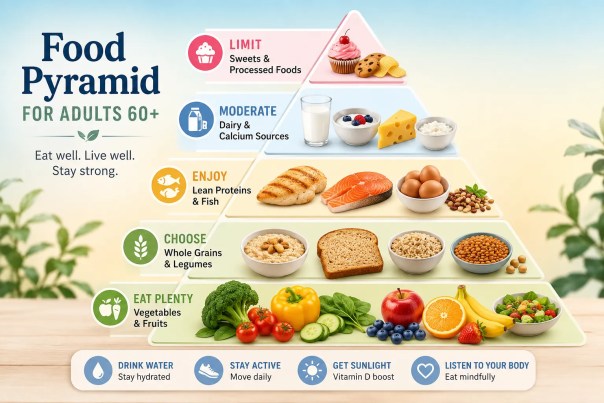
Adults over 60 should build meals around vegetables, fruits, whole grains, lean proteins, and healthy fats while emphasizing nutrient density over calorie quantity. The body’s ability to absorb certain nutrients decreases with age, making food quality more important than ever.

A practical daily eating pattern includes:

  • 5-6 servings of vegetables (2½ cups) with emphasis on dark leafy greens, cruciferous vegetables, and colorful options
  • 2 servings of fruit (1 cup), preferably whole fruit rather than juice
  • 5-6 servings of whole grains (about 3 ounces), such as oatmeal, brown rice, quinoa, or whole wheat bread
  • 2-3 servings of lean protein (5-6 ounces total), including fish, poultry, beans, eggs, or lean meat
  • 2-3 servings of dairy or calcium-fortified alternatives for bone health
  • Healthy fats from sources like olive oil, nuts, seeds, and fatty fish

The shift from younger years involves eating smaller portions of more nutrient-rich foods. A 65-year-old typically needs 200-400 fewer calories daily than they did at 40, but nutrient requirements for most vitamins and minerals stay the same or increase [8].

How Much Protein Do You Need After 60

Adults over 60 need 1.0 to 1.2 grams of protein per kilogram of body weight daily to maintain muscle mass and function, which is higher than the standard recommendation for younger adults [6]. For a 150-pound person, this translates to roughly 68-82 grams of protein per day.

Why protein needs increase:

  • Age-related muscle loss (sarcopenia) accelerates after 60
  • Older bodies are less efficient at using dietary protein for muscle synthesis
  • Adequate protein helps maintain strength, balance, and independence
  • Protein supports immune function and wound healing

Practical protein targets per meal:

  • Breakfast: 20-25 grams (3 eggs, or Greek yogurt with nuts)
  • Lunch: 25-30 grams (4 ounces chicken breast, or 1 cup lentils)
  • Dinner: 25-30 grams (5 ounces fish, or tofu stir-fry)

Spreading protein evenly across meals works better than loading it all at dinner. The body can only process about 25-30 grams of protein for muscle synthesis at one time.

Choose high-quality protein sources: fish, poultry, eggs, dairy, legumes, and lean meats. Plant proteins work well when combined throughout the day to provide all essential amino acids. For more guidance on building strength through nutrition, see our practical nutrition guide.

Best Diet for Seniors With High Blood Pressure

The DASH (Dietary Approaches to Stop Hypertension) diet is specifically designed to lower blood pressure and works particularly well for adults over 60. It emphasizes potassium-rich foods, limits sodium to 1,500-2,300 mg daily, and focuses on whole foods rather than processed options.

Core DASH principles:

  • Vegetables and fruits: 8-10 servings daily provide potassium that helps balance sodium
  • Whole grains: 6-8 servings daily for fiber and magnesium
  • Low-fat dairy: 2-3 servings for calcium without saturated fat
  • Lean protein: Fish, poultry, beans (limit red meat to occasional servings)
  • Nuts and seeds: 4-5 servings per week for healthy fats and minerals
  • Sodium limit: Under 1,500 mg daily for best blood pressure control

Hidden sodium sources to watch:

  • Bread and rolls (150-200 mg per slice)
  • Deli meats and cured meats (400-1,000 mg per serving)
  • Canned soups (600-900 mg per cup)
  • Cheese (200-400 mg per ounce)
  • Condiments and sauces (100-300 mg per tablespoon)

Reading nutrition labels becomes essential. Choose products with less than 140 mg sodium per serving, and look for “no salt added” versions of canned goods. Cooking at home gives you full control over sodium content. For more specific guidance, visit our low sodium diet resource.

Mediterranean Diet vs Keto for Older Adults

Mediterranean Diet vs Keto for Older Adults

The Mediterranean diet offers more sustainable benefits for most adults over 60 than keto, with stronger long-term evidence for heart health, cognitive function, and overall longevity [9]. Keto may help with short-term weight loss but poses practical challenges and potential risks for older adults.

Mediterranean diet advantages:

  • Extensive research showing reduced heart disease, stroke, and cognitive decline
  • Easier to follow long-term with flexible food choices
  • Naturally anti-inflammatory with emphasis on omega-3 fats, olive oil, and colorful plants
  • Supports bone health with adequate calcium and vitamin D
  • Social and enjoyable eating pattern

Keto diet considerations:

  • May cause initial fatigue, constipation, and difficulty maintaining muscle mass
  • Requires strict carbohydrate restriction (under 50 grams daily) that many find hard to sustain
  • Can increase LDL cholesterol in some people
  • Limited fiber intake may affect digestive health
  • Potential medication interactions, especially for diabetes or blood pressure drugs

Choose Mediterranean if: You want a flexible, well-researched eating pattern that supports multiple aspects of healthy aging and is easy to maintain for years.

Consider keto only if: You’re working with a doctor to manage specific conditions like epilepsy or certain metabolic issues, and you’re willing to monitor closely. For most people over 60, the Mediterranean diet provides better long-term results without the restrictions.

Best Foods to Prevent Heart Disease in Seniors

Heart disease remains the leading cause of death for adults over 60, but diet plays a major role in prevention. Focus on foods that lower inflammation, improve cholesterol levels, and support healthy blood pressure.

Top heart-protective foods:

  • Fatty fish (salmon, mackerel, sardines): 2-3 servings weekly for omega-3 fatty acids that reduce inflammation and triglycerides
  • Leafy greens (spinach, kale, collards): Daily servings provide nitrates that help lower blood pressure
  • Berries (blueberries, strawberries): Rich in antioxidants that protect blood vessels
  • Whole grains (oats, barley, quinoa): Soluble fiber lowers LDL cholesterol
  • Nuts (walnuts, almonds): 1 ounce daily reduces heart disease risk by 30%
  • Olive oil: 2-3 tablespoons daily for monounsaturated fats
  • Beans and lentils: High fiber and plant protein without saturated fat
  • Avocados: Healthy fats that improve cholesterol ratios

Foods to limit:

  • Red and processed meats (high in saturated fat and sodium)
  • Full-fat dairy (choose low-fat versions)
  • Fried foods and trans fats
  • Sugary drinks and desserts
  • Refined grains (white bread, white rice)

Replace butter with olive oil, swap red meat for fish twice weekly, and choose whole fruits over juice. These simple substitutions add up to significant heart protection over time. Learn more through our heart healthy diet resources.

How to Lose Weight Safely After 60

Safe weight loss after 60 means losing 0.5 to 1 pound per week through moderate calorie reduction and maintained protein intake, not aggressive dieting that risks muscle loss. Preserving muscle mass matters more than rapid weight loss.

Safe approach:

  • Create a modest deficit: Reduce daily calories by 250-500 (not more)
  • Prioritize protein: Keep intake at 1.0-1.2 g/kg body weight to protect muscle
  • Maintain strength training: 2-3 sessions weekly prevent muscle loss during weight loss
  • Focus on whole foods: Vegetables, fruits, whole grains, and lean proteins naturally reduce calories while maintaining nutrition
  • Stay hydrated: Drink 6-8 glasses of water daily

What not to do:

  • Skip meals or drop below 1,200 calories daily (women) or 1,500 (men)
  • Cut protein to reduce calories
  • Rely on meal replacement shakes as your primary food source
  • Follow extreme elimination diets
  • Lose more than 1 pound per week consistently

Practical meal adjustments:

  • Use a 9-inch plate instead of 12-inch to control portions naturally
  • Fill half your plate with vegetables before adding protein and grains
  • Choose broth-based soups as first courses to reduce overall meal calories
  • Swap high-calorie snacks for fruit, vegetables with hummus, or a small handful of nuts

Weight loss after 60 should feel sustainable, not restrictive. If you’re constantly hungry or losing strength, you’re cutting too much. For guidance on maintaining strength during weight loss, see our resources on building muscle over 60.

What Vitamins and Minerals Are Most Important Over 60

Several nutrients become harder to absorb or require higher intake after 60. Meeting these needs through food first, with supplements filling specific gaps, supports bone health, immune function, and energy levels.

Priority nutrients:

NutrientDaily TargetWhy It MattersFood Sources
Calcium1,200 mg (women), 1,000 mg (men)Bone density, muscle functionDairy, fortified plant milk, leafy greens, sardines with bones
Vitamin D800-1,000 IUCalcium absorption, immune health, fall preventionFatty fish, fortified dairy, egg yolks, sunlight (often needs supplement)
Vitamin B122.4 mcgNerve function, red blood cells, energyMeat, fish, dairy, eggs, fortified cereals (absorption decreases with age)
Potassium3,400 mg (men), 2,600 mg (women)Blood pressure, heart rhythmBananas, potatoes, beans, spinach, yogurt
Fiber28 g (women), 34 g (men)Digestive health, cholesterol, blood sugarWhole grains, beans, vegetables, fruits
Magnesium420 mg (men), 320 mg (women)Bone health, muscle function, blood pressureNuts, seeds, whole grains, leafy greens, beans

When supplements make sense:

  • Vitamin D: Most adults over 60 need supplementation (blood test determines dose)
  • Vitamin B12: Consider if taking acid-reducing medications or following plant-based diet
  • Calcium: Only if dietary intake consistently falls short (don’t exceed 500 mg per dose)

Check with your doctor before starting supplements, especially if taking medications. Some supplements interact with blood thinners, blood pressure medications, or other common prescriptions.

Best Diet for Seniors With Diabetes

Best Diet for Seniors With Diabetes

Adults over 60 with diabetes need consistent carbohydrate portions at meals, emphasis on fiber and protein to slow glucose absorption, and regular meal timing to support stable blood sugar levels [8]. The Mediterranean diet adapted for diabetes management works well for most people.

Core principles:

  • Control carbohydrate portions: 45-60 grams per meal (3-4 servings) for most people
  • Choose complex carbs: Whole grains, beans, starchy vegetables over refined options
  • Pair carbs with protein and fat: Slows digestion and prevents blood sugar spikes
  • Eat at consistent times: Helps medications work predictably
  • Emphasize non-starchy vegetables: Fill half your plate without raising blood sugar

Practical plate method:

  • ½ plate: Non-starchy vegetables (leafy greens, broccoli, peppers, tomatoes)
  • ¼ plate: Lean protein (fish, chicken, tofu, eggs)
  • ¼ plate: Complex carbohydrates (brown rice, quinoa, sweet potato, beans)
  • Add: Small portion of fruit and healthy fat (olive oil, nuts, avocado)

Foods that help manage blood sugar:

  • Beans and lentils (high fiber, slow digestion)
  • Fatty fish (anti-inflammatory omega-3s)
  • Leafy greens (minimal carbs, high nutrients)
  • Nuts (healthy fats, protein, fiber)
  • Greek yogurt (protein without added sugar)
  • Cinnamon and vinegar (may modestly improve insulin sensitivity)

What to limit:

  • Sugary drinks and fruit juice
  • White bread, white rice, regular pasta
  • Sweetened yogurt and cereals
  • Processed snack foods
  • Large portions of any carbohydrate at once

Monitor your blood sugar response to different foods. Individual responses vary, and testing 1-2 hours after meals shows you what works for your body. For detailed meal planning, visit our diabetes diet resources.

Common Nutrition Mistakes People Over 60 Make

Many adults over 60 unknowingly follow eating patterns that worked at 40 but no longer support their current needs. Recognizing these patterns helps you adjust before problems develop.

Mistake 1: Not eating enough protein
Many older adults eat most protein at dinner and skimp at breakfast and lunch. This pattern doesn’t support muscle maintenance. Aim for 25-30 grams at each meal instead of 10-10-50.

Mistake 2: Drinking too little water
Thirst signals weaken with age, leading to chronic mild dehydration that causes fatigue, confusion, and constipation. Set reminders to drink water throughout the day, aiming for 6-8 glasses.

Mistake 3: Cutting fat too aggressively
Low-fat diets from the 1990s still influence many people. Your body needs healthy fats for nutrient absorption, brain health, and satiety. Include olive oil, nuts, avocados, and fatty fish regularly.

Mistake 4: Skipping meals to “save calories”
Skipping breakfast or lunch often leads to excessive hunger, poor food choices later, and inadequate protein distribution. Regular meals support stable blood sugar and better nutrition.

Mistake 5: Relying on the same foods repeatedly
Eating the same five meals every week limits nutrient variety. Different colored vegetables, rotating protein sources, and varied whole grains provide a broader nutrient profile.

Mistake 6: Not adjusting portions for lower activity
Portion sizes that maintained weight at 45 may cause gradual weight gain at 65 if activity has decreased. Slightly smaller portions of calorie-dense foods prevent this drift.

Mistake 7: Taking supplements instead of improving diet
Multivitamins can’t compensate for a poor diet. Whole foods provide fiber, antioxidants, and beneficial compounds that pills don’t contain. Focus on food first, supplements second.

Can You Build Muscle on a Diet After 60

Yes, adults over 60 can build muscle while losing fat, but it requires adequate protein intake (1.2 g/kg body weight), resistance training 2-3 times weekly, and a modest calorie deficit of no more than 500 calories daily [6]. Aggressive calorie cutting makes muscle gain nearly impossible.

Keys to building muscle while losing weight:

  • Protein at every meal: 25-30 grams distributed evenly throughout the day
  • Resistance training: Progressive strength work 2-3 times per week
  • Modest deficit: 250-500 calories below maintenance, not more
  • Adequate recovery: 7-8 hours sleep, rest days between strength sessions
  • Patience: Expect 0.5-1 pound muscle gain per month at best

Best protein timing:

  • Within 2 hours after strength training (20-30 grams)
  • Before bed (15-20 grams of slow-digesting protein like Greek yogurt or cottage cheese)
  • Evenly distributed across all meals

Protein-rich foods for muscle building:

  • Greek yogurt (20 g per cup)
  • Chicken breast (30 g per 4 oz)
  • Salmon (25 g per 4 oz)
  • Eggs (6 g per egg)
  • Cottage cheese (14 g per ½ cup)
  • Lentils (18 g per cooked cup)
  • Tofu (10 g per ½ cup)

Building muscle after 60 takes longer than at 30, but it’s absolutely possible with the right combination of nutrition and training. For more on strength training principles, see our guide to strength over 60.

Best Diet for Cognitive Health and Memory in Older Age

The MIND diet (Mediterranean-DASH Intervention for Neurodegenerative Delay) specifically targets brain health and shows the strongest evidence for slowing cognitive decline in older adults [9]. It combines Mediterranean and DASH principles with emphasis on specific brain-protective foods.

MIND diet priorities:

  • Leafy greens: 6+ servings weekly (kale, spinach, collards, lettuce)
  • Other vegetables: 1+ serving daily, emphasizing variety
  • Berries: 2+ servings weekly, especially blueberries and strawberries
  • Nuts: 5+ servings weekly (1 ounce = 1 serving)
  • Olive oil: Primary cooking fat
  • Whole grains: 3+ servings daily
  • Fish: 1+ serving weekly, preferably fatty fish
  • Beans: 3+ servings weekly
  • Poultry: 2+ servings weekly
  • Wine: Optional, up to 1 glass daily

Foods to limit for brain health:

  • Red meat (less than 4 servings weekly)
  • Butter and margarine (less than 1 tablespoon daily)
  • Cheese (less than 1 serving weekly)
  • Pastries and sweets (less than 5 servings weekly)
  • Fried or fast food (less than 1 serving weekly)

Why these foods matter:

Berries contain anthocyanins that cross the blood-brain barrier and reduce inflammation. Leafy greens provide folate, vitamin K, and lutein linked to slower cognitive decline. Omega-3 fats from fish support brain cell membrane health. Nuts and olive oil provide vitamin E and healthy fats that protect against oxidative stress.

Research shows people who follow the MIND diet closely have cognitive function equivalent to someone 7.5 years younger. Even moderate adherence shows benefits. For more on healthy eating for seniors, explore our additional resources.

How Many Calories Should a 60 Year Old Eat Per Day

Calorie needs at 60 depend on sex, height, weight, and activity level, but most adults need 1,600-2,400 calories daily. Sedentary women typically need 1,600-1,800 calories, while sedentary men need 2,000-2,200. Active individuals need 200-400 more.

Estimated daily calorie needs:

Women over 60:

  • Sedentary (little to no exercise): 1,600-1,800 calories
  • Moderately active (walking 1.5-3 miles daily): 1,800-2,000 calories
  • Active (walking 3+ miles daily or regular exercise): 2,000-2,200 calories

Men over 60:

  • Sedentary: 2,000-2,200 calories
  • Moderately active: 2,200-2,400 calories
  • Active: 2,400-2,800 calories

Why needs decrease:

  • Basal metabolic rate drops about 1-2% per decade after 30
  • Muscle mass typically decreases, lowering calorie burn
  • Activity levels often decrease
  • Body composition shifts toward more fat, less muscle

Rather than counting calories precisely:

  • Use hunger and satiety cues as primary guides
  • Monitor weight trends over weeks (stable = right amount)
  • Adjust portions if weight creeps up or down unintentionally
  • Focus on nutrient-dense foods that naturally satisfy with fewer calories

If you’re maintaining a healthy weight and eating nutritious foods, you’re likely eating the right amount. Calorie needs are estimates; your actual requirement is what maintains your weight and energy level.

Senior Diet Plans That Are Easy to Prepare

Practical meal planning for adults over 60 should minimize cooking time and complexity while maximizing nutrition and variety. Simple patterns and batch cooking make healthy eating sustainable.

Simple daily eating pattern:

Breakfast (5 minutes):

  • Greek yogurt with berries and walnuts
  • Oatmeal with banana and almond butter
  • Scrambled eggs with whole grain toast and fruit

Lunch (10 minutes or leftovers):

  • Large salad with canned salmon or chickpeas, olive oil dressing
  • Whole grain wrap with turkey, vegetables, hummus
  • Vegetable soup with whole grain crackers and cheese

Dinner (20-30 minutes or batch-cooked):

  • Baked fish with roasted vegetables and quinoa
  • Stir-fried chicken with mixed vegetables over brown rice
  • Bean chili with whole grain bread

Batch cooking strategies:

  • Sunday prep: Cook 2-3 proteins (baked chicken, hard-boiled eggs, beans) and 3-4 vegetables to mix and match all week
  • Grain batch: Cook large pot of brown rice or quinoa; refrigerate portions for quick meals
  • Soup and stew: Make large batches; freeze individual portions
  • Pre-cut vegetables: Wash and chop vegetables on one day for the week

Easy protein options:

  • Rotisserie chicken (pre-cooked, lasts 3-4 days)
  • Canned fish (salmon, sardines, tuna)
  • Eggs (hard-boiled batch keeps 1 week)
  • Frozen fish fillets (bake from frozen in 20 minutes)
  • Canned beans (rinse and add to any meal)

Keep these staples stocked:

  • Frozen vegetables (steam in microwave, 5 minutes)
  • Canned tomatoes and beans
  • Whole grain bread (freeze extra, toast from frozen)
  • Olive oil and vinegar
  • Nuts and nut butter
  • Greek yogurt
  • Eggs
  • Frozen fish and chicken

For more meal planning ideas, visit our practical meal planning resources.

Conclusion

The best diet for over 60 emphasizes whole foods, adequate protein, plenty of vegetables and fruits, and healthy fats while limiting sodium, added sugars, and processed foods. Mediterranean and DASH eating patterns consistently show the strongest evidence for supporting heart health, cognitive function, muscle maintenance, and overall longevity.

Start with clear steps: aim for 25-30 grams of protein at each meal, fill half your plate with vegetables, choose whole grains over refined options, and include healthy fats from olive oil, nuts, and fish. Keep sodium under 2,300 mg daily, stay hydrated with 6-8 glasses of water, and adjust portions to match your current activity level.

You don’t need to overhaul everything at once. Pick two or three changes that fit your routine and build from there. Simple batch cooking, keeping healthy staples on hand, and following basic meal patterns make nutritious eating practical and sustainable for everyday function.


References

[6] Pmc9320473 – https://pmc.ncbi.nlm.nih.gov/articles/PMC9320473/

[8] Eating Healthy At 60 And Beyond – https://www.ummhealth.org/health-library/eating-healthy-at-60-and-beyond

[9] Healthy Eating For Older Adults 2019062016868 – https://www.health.harvard.edu/blog/healthy-eating-for-older-adults-2019062016868


This article is part of our Healthy Eating Basics for Seniors series.

Share This Page

High Protein Diet for Seniors: Daily Targets and Best Food Sources

High Protein Diet for Seniors: Daily Targets and Best Food Sources

Last updated: August 11, 2026

Quick Answer

A high protein diet for seniors typically means consuming 1.0-1.2 grams of protein per kilogram of body weight daily, spread across three meals with 25-30 grams per meal. This approach helps preserve muscle mass, maintain strength, and support everyday function. Most older adults can meet these targets through whole foods like lean meats, fish, eggs, dairy, legumes, and fortified options.

Key Takeaways

  • Seniors need 1.0-1.2 g/kg body weight daily (roughly 70-84g for a 154-pound person), higher than the standard RDA
  • Aim for 25-30 grams of protein per meal to overcome age-related anabolic resistance
  • Protein helps prevent sarcopenia (muscle loss), supports bone health, and improves recovery from illness
  • Best sources include eggs, Greek yogurt, chicken, fish, cottage cheese, beans, lentils, and tofu
  • Seniors with kidney disease should consult a doctor before increasing protein intake
  • Spreading protein across meals works better than loading one meal
  • Affordable options like canned tuna, eggs, and dried beans fit most budgets
  • Soft or ground proteins work well for those with dental or swallowing challenges
Key Takeaways

How Much Protein Do Seniors Need Per Day?

Most healthy adults over 50 need between 1.0 and 1.2 grams of protein per kilogram of body weight each day [1][5]. For a 154-pound (70 kg) person, that translates to 70-84 grams daily. This recommendation exceeds the standard Recommended Dietary Allowance (RDA) of 0.8 g/kg, which research suggests is too low for older adults [9].

The higher target accounts for age-related changes in protein metabolism. After age 50, the body becomes less efficient at building and maintaining muscle from dietary protein, a phenomenon called anabolic resistance [3]. More protein per meal helps overcome this resistance.

Weight-based targets for common body weights:

  • 130 pounds (59 kg): 59-71 grams daily
  • 150 pounds (68 kg): 68-82 grams daily
  • 170 pounds (77 kg): 77-92 grams daily
  • 190 pounds (86 kg): 86-103 grams daily

These amounts apply to generally healthy seniors. Those recovering from illness, surgery, or injury may need 1.2-1.5 g/kg or higher [2][7]. Always discuss significant dietary changes with a healthcare provider, especially if you have chronic conditions.

Best High Protein Foods for Older Adults

Whole food sources provide protein along with other nutrients that support bone health, immune function, and digestion. The following foods offer high-quality protein in portions that fit standard meal sizes.

Animal-based sources (per serving):

  • Chicken breast, 3 oz cooked: 26g
  • Salmon or tuna, 3 oz cooked: 22g
  • Ground beef (90% lean), 3 oz cooked: 22g
  • Eggs, 2 large: 12g
  • Greek yogurt, plain, 6 oz: 15-20g
  • Cottage cheese, ½ cup: 14g
  • Milk, 1 cup: 8g
  • Cheddar cheese, 1 oz: 7g

Plant-based sources (per serving):

  • Lentils, cooked, 1 cup: 18g
  • Black beans, cooked, 1 cup: 15g
  • Tofu, firm, ½ cup: 10g
  • Peanut butter, 2 tablespoons: 8g
  • Quinoa, cooked, 1 cup: 8g
  • Almonds, ¼ cup: 6g

Combining animal and plant sources throughout the day provides variety and helps meet targets without relying on a single food type. For practical meal ideas, see our guide to healthy breakfast for seniors.

High Protein Diet Benefits for Seniors

Adequate protein intake supports multiple aspects of health and function as we age. The benefits extend beyond muscle to bone, metabolism, and recovery.

Muscle preservation and strength: Protein provides amino acids needed to maintain and repair muscle tissue [1]. Higher intake combined with resistance exercise helps slow sarcopenia, the age-related loss of muscle mass that affects balance, mobility, and independence.

Bone health: Protein works with calcium and vitamin D to maintain bone density [4]. Contrary to older concerns, higher protein intake does not harm bone health and may reduce fracture risk when combined with adequate calcium.

Metabolic health: Protein increases satiety and helps regulate blood sugar, which matters for weight management and diabetes control [10]. It also supports a higher resting metabolic rate compared to carbohydrates or fats.

Recovery from illness or injury: Protein needs increase during acute illness, infection, or after surgery [7]. Meeting higher targets speeds healing and reduces muscle loss during periods of inactivity.

Immune function: Antibodies and immune cells depend on adequate protein intake [5]. Deficiency can impair the body’s ability to fight infection.

These benefits require consistent daily intake, not occasional high-protein meals. Spreading protein across breakfast, lunch, and dinner works better than concentrating it in one meal.

High Protein Diet Benefits for Seniors

Can Seniors Eat Too Much Protein?

For most healthy older adults, protein intakes up to 1.6 g/kg body weight per day are safe and well-tolerated [3][9]. Very high intakes (above 2.0 g/kg) offer no additional benefit for muscle health and may displace other important nutrients.

Potential concerns at excessive intake:

  • Digestive discomfort (bloating, constipation) if fiber intake is too low
  • Dehydration if fluid intake doesn’t increase with protein
  • Nutrient imbalance if protein crowds out fruits, vegetables, and whole grains
  • Kidney strain in people with pre-existing kidney disease

The key word is “excessive.” Reaching 1.0-1.2 g/kg is not excessive for older adults and falls well within safe ranges established by research [1][5]. Problems arise when protein makes up more than 35% of total calories or when someone with kidney disease follows a high-protein plan without medical supervision.

Choose protein intake if:

  • You’re recovering from illness or surgery: aim for the higher end (1.2-1.5 g/kg) [2]
  • You’re generally healthy and active: 1.0-1.2 g/kg works well
  • You have kidney disease: follow your doctor’s specific recommendations (often lower)

High Protein Diet for Seniors with Kidney Disease

Seniors with chronic kidney disease (CKD) face a different situation. High protein intake can accelerate kidney function decline in people with existing kidney damage [6]. Standard recommendations for CKD often range from 0.6-0.8 g/kg, lower than general senior targets.

Important considerations:

  • Get kidney function tested (GFR, creatinine) before increasing protein intake significantly
  • If you have stage 3-5 CKD, work with a nephrologist or renal dietitian
  • Protein restriction may help slow disease progression but must be balanced against malnutrition risk
  • Some research suggests moderate protein (0.8-1.0 g/kg) may be acceptable in early CKD, but this requires individual assessment [6]

The risk of malnutrition increases when protein is restricted too severely, especially in frail seniors [7]. Medical supervision helps find the right balance between protecting kidney function and maintaining muscle mass.

Common mistake: Assuming all seniors should restrict protein because of age-related kidney changes. Most older adults without diagnosed kidney disease can safely follow higher protein targets [9].

Affordable High Protein Foods for Seniors on a Budget

Protein doesn’t require expensive cuts of meat or specialty products. Many budget-friendly options deliver high-quality protein at a fraction of the cost.

Cost-effective protein sources:

  • Eggs: One of the cheapest complete proteins, around $0.15-0.30 per egg (6g protein)
  • Canned tuna or salmon: $1-2 per can (20-25g protein)
  • Dried beans and lentils: $1-2 per pound dry (yields 6-7 cups cooked, 15-18g per cup)
  • Peanut butter: $2-4 per jar (8g per 2 tablespoons)
  • Cottage cheese: $2-4 per container (14g per ½ cup)
  • Chicken thighs: Often cheaper than breasts, $2-4 per pound (20-25g per 3 oz cooked)
  • Greek yogurt: Store brands cost $1-2 per cup (15-20g)
  • Tofu: $2-3 per block (10g per ½ cup)
  • Milk: $3-4 per gallon (8g per cup)

Buying in bulk, choosing store brands, and using sales or coupons reduces costs further. Dried beans require soaking and cooking time but cost pennies per serving. Canned beans offer convenience for about $1 per can.

Budget meal example: Scrambled eggs (2 eggs, 12g protein) with toast for breakfast, peanut butter sandwich (2 tablespoons, 8g) with milk (8g) for lunch, and bean chili (1 cup beans, 15g) with cornbread for dinner totals 43g protein for under $5.

For more budget-conscious meal planning, see our healthy meal plan for seniors.

High Protein Diet for Seniors with Dentures or Swallowing Issues

Dental problems and dysphagia (difficulty swallowing) can make eating traditional protein sources challenging. Soft, moist, and ground options provide the same nutrients without the chewing difficulty.

Soft protein options:

  • Scrambled or soft-boiled eggs
  • Greek yogurt or cottage cheese
  • Ricotta cheese
  • Soft-cooked fish (salmon, cod, tilapia)
  • Ground meat (turkey, chicken, beef) in sauces or soups
  • Mashed white beans or hummus
  • Silken tofu blended into smoothies
  • Protein-fortified oatmeal or cream of wheat
  • Milk-based soups (cream of chicken, clam chowder)
  • Tuna or chicken salad (finely chopped or mashed)

Preparation tips:

  • Cook meats until very tender (slow cooker or pressure cooker works well)
  • Add moisture with gravies, broths, or sauces
  • Puree or finely chop proteins if needed
  • Blend protein powder into smoothies, soups, or mashed potatoes
  • Choose naturally soft proteins like eggs and dairy more often

For seniors with severe swallowing difficulties, a speech-language pathologist can assess swallow function and recommend specific food textures. Our soft food diet for elderly guide provides detailed meal options.

High Protein Diet for Seniors with Dentures or Swallowing Issues

How to Increase Protein Intake When You’re Not Hungry

Appetite often decreases with age due to changes in taste, smell, medications, or reduced activity levels [5]. Meeting protein targets becomes harder when food holds less appeal.

Practical strategies:

  • Eat protein first: Start each meal with the protein portion before filling up on other foods
  • Smaller, more frequent meals: Five or six small meals may feel more manageable than three large ones
  • Add protein to existing foods: Stir protein powder into coffee, oatmeal, or soup; add cheese to vegetables; mix Greek yogurt into mashed potatoes
  • Choose nutrient-dense options: When appetite is low, prioritize foods that pack more protein per bite (Greek yogurt over regular, eggs over toast)
  • Drink protein: Smoothies, milk, or protein shakes provide nutrition in an easier-to-consume form
  • Set reminders: Use phone alarms or meal schedules to eat at regular times, even without hunger cues
  • Make food more appealing: Use herbs, spices, and favorite flavors to increase enjoyment

Common mistake: Waiting until you feel hungry to eat. Older adults may not experience strong hunger signals but still need regular nutrition [8]. Scheduled meals and snacks work better than eating only when hungry.

If appetite loss is sudden or severe, or if unintended weight loss occurs, consult a doctor. Underlying medical issues, medication side effects, or depression may need treatment.

High Protein Diet vs Regular Diet for Seniors

The standard American diet typically provides 0.8-1.0 g/kg protein, which meets the RDA but falls short of optimal intake for older adults. A high protein diet for seniors deliberately increases this to 1.0-1.2 g/kg or higher.

Key differences:

AspectRegular DietHigh Protein Diet
Daily protein target0.8 g/kg (RDA)1.0-1.2 g/kg
Protein per mealOften uneven (low at breakfast)25-30g at each meal
FocusMeeting minimum requirementsOptimizing muscle health
Meal planningCarb-centeredProtein-centered with carbs/fats

The higher protein approach doesn’t mean eliminating carbohydrates or fats. It means being more intentional about including protein at every meal and snack. For example, a regular breakfast might be cereal with milk (8g protein), while a high-protein breakfast might be Greek yogurt with nuts and fruit (20-25g protein).

Research shows that spreading protein evenly across meals works better than eating most protein at dinner [3][10]. Muscle protein synthesis responds to each protein dose, so three moderate servings stimulate more muscle building than one large serving.

Protein Supplements for Seniors: Which Ones Are Best

Whole foods should be the primary protein source, but supplements can help when appetite is poor, protein needs are very high, or convenience matters. Not all supplements are equal.

Types of protein supplements:

Whey protein: Fast-absorbing, complete protein from milk. Contains all essential amino acids. Good for post-exercise recovery. May cause digestive upset in lactose-intolerant individuals.

Casein protein: Slow-digesting milk protein. Provides steady amino acid release. Often used before bed. Also contains lactose.

Pea protein: Plant-based, hypoallergenic, and easy to digest. Lower in some amino acids but still effective when consumed in adequate amounts.

Collagen protein: Supports skin, joints, and bones but is not a complete protein (low in some essential amino acids). Should not be the sole protein supplement.

Protein shakes (ready-to-drink): Convenient but often more expensive per gram of protein. Check sugar content; some contain 15-20g per serving.

Protein powder: Most cost-effective. Mix into smoothies, oatmeal, soups, or baked goods. Choose unflavored for versatility.

Choosing a supplement:

  • Look for 20-25g protein per serving
  • Check for third-party testing (NSF, USP, Informed Choice)
  • Avoid excessive added sugars (aim for under 10g per serving)
  • Consider digestibility (whey isolate is easier than whey concentrate for sensitive stomachs)
  • Match to dietary needs (plant-based for vegans, lactose-free for intolerance)

When supplements help most:

  • Recovering from illness or surgery
  • Unable to chew solid foods
  • Very low appetite but able to drink
  • Need convenient on-the-go option
  • Difficulty meeting targets through food alone

Supplements complement food; they don’t replace it. Whole foods provide fiber, vitamins, minerals, and other compounds that isolated protein powders lack.

High Protein Meals for Seniors: Easy to Prepare

Meeting daily protein targets requires planning, but meals don’t need to be complicated. Simple combinations work well.

Breakfast options (25-30g protein):

  • 2 eggs scrambled + 1 cup Greek yogurt with berries
  • Protein smoothie: 1 scoop protein powder + milk + banana + peanut butter
  • Cottage cheese (1 cup) + whole grain toast + sliced tomato
  • Oatmeal made with milk + 2 tablespoons peanut butter + protein powder stirred in

For more ideas, see our high protein breakfast collection.

Lunch options (25-30g protein):

  • Tuna salad (1 can tuna) on whole grain bread with side of cheese
  • Lentil soup (2 cups) + Greek yogurt on the side
  • Chicken breast (3 oz) over salad with chickpeas
  • Egg salad (3 eggs) with crackers and milk

Dinner options (25-30g protein):

  • Baked salmon (4 oz) + quinoa + roasted vegetables
  • Ground turkey (4 oz) in tomato sauce over pasta
  • Tofu stir-fry (1 cup tofu) with vegetables and rice
  • Beef and bean chili (1.5 cups) with cornbread

Simple snacks (10-15g protein):

  • String cheese + handful of almonds
  • Hard-boiled eggs (2)
  • Greek yogurt cup
  • Protein shake
  • Hummus (½ cup) with vegetables

Meal prep tip: Cook proteins in batches. Grill several chicken breasts, hard-boil a dozen eggs, or cook a pot of beans on Sunday. Store in portions for easy assembly throughout the week.

Does High Protein Diet Help Seniors Build Muscle?

Protein alone doesn’t build muscle; resistance exercise provides the stimulus, and protein provides the building blocks. Combined, they effectively maintain or increase muscle mass in older adults [1][10].

How it works:

Resistance training (lifting weights, resistance bands, bodyweight exercises) creates microscopic damage to muscle fibers. The body repairs this damage by building new muscle protein, a process that requires amino acids from dietary protein. Without adequate protein, the repair process is incomplete, and muscle gains are limited [3].

Research findings:

  • Seniors who combine resistance training with 1.2-1.6 g/kg protein intake gain more muscle than those eating lower amounts [1][9]
  • Protein timing (consuming 25-30g within a few hours of exercise) may enhance muscle protein synthesis [10]
  • Even without exercise, higher protein intake helps preserve existing muscle during weight loss or illness [2]

Realistic expectations:

Older adults can build muscle, but the rate is slower than in younger people. Expect modest gains of 1-3 pounds of muscle over several months of consistent training and adequate protein [3]. The primary goal is often preservation rather than significant growth, which still provides meaningful benefits for strength and function.

For exercise guidance that complements a high protein diet, see our articles on leg exercises for seniors and standing exercises for seniors.

High Protein Diet for Seniors with Diabetes

Protein can help manage blood sugar levels, making it a valuable component of a diabetes-friendly eating pattern [10]. Unlike carbohydrates, protein has minimal direct effect on blood glucose and increases satiety, which helps with portion control.

Benefits for diabetes management:

  • Slower digestion: Protein slows stomach emptying, which moderates post-meal blood sugar spikes
  • Improved satiety: Feeling fuller longer helps prevent overeating and supports weight management
  • Muscle preservation: Important because muscle tissue helps regulate blood sugar by taking up glucose from the bloodstream
  • Reduced A1C: Some studies show that higher protein intake (20-30% of calories) helps lower hemoglobin A1C levels over time [10]

Practical application:

  • Include protein at every meal and snack
  • Pair carbohydrates with protein (e.g., apple with peanut butter, not apple alone)
  • Choose lean proteins to limit saturated fat (chicken, fish, beans, low-fat dairy)
  • Monitor blood sugar response to different protein sources; individual responses vary
  • Watch portion sizes; very large protein servings still add calories

Important note: Some protein sources (especially processed meats and high-fat dairy) may increase cardiovascular risk, which is already elevated in people with diabetes [6]. Focus on lean meats, fish, eggs, legumes, and low-fat dairy.

For comprehensive guidance, see our diabetic diet for seniors resources.

Common Mistakes Seniors Make with Protein Intake

Even with good intentions, several patterns can prevent older adults from meeting protein targets or getting the full benefit.

Mistake 1: Loading protein at dinner only
Many people eat minimal protein at breakfast and lunch, then have a large serving at dinner. This pattern wastes the muscle-building potential of earlier meals. Muscle protein synthesis responds better to three moderate doses (25-30g each) than one large dose [3][8].

Mistake 2: Relying on processed meats
Bacon, sausage, deli meats, and hot dogs provide protein but also deliver high amounts of sodium and preservatives linked to health risks [6]. Choose fresh, minimally processed proteins most of the time.

Mistake 3: Ignoring protein when appetite is low
When not feeling hungry, people often skip protein-rich foods in favor of easier-to-eat carbohydrates (crackers, toast, fruit). This accelerates muscle loss. Prioritize protein even in small amounts [5][8].

Mistake 4: Assuming plant protein is always inferior
While animal proteins are complete (containing all essential amino acids), plant proteins can meet needs when eaten in variety and adequate amounts [9]. Combining different plant sources throughout the day provides all necessary amino acids.

Mistake 5: Not adjusting for illness or injury
Protein needs increase during recovery from surgery, infection, or injury [2][7]. Continuing usual intake during these periods can lead to muscle loss and slower healing.

Mistake 6: Fearing kidney damage without evidence
Many seniors unnecessarily restrict protein based on outdated concerns. Unless you have diagnosed kidney disease, higher protein intake (up to 1.6 g/kg) is safe [1][9].

Mistake 7: Overlooking hydration
Higher protein intake increases fluid needs. Inadequate hydration can cause constipation and kidney strain. Drink water throughout the day, especially if increasing protein [5].

Conclusion

A high protein diet for seniors, targeting 1.0-1.2 grams per kilogram of body weight daily, supports muscle preservation, bone health, and everyday function. Spreading this intake across three meals with 25-30 grams per meal works better than concentrating protein in one sitting.

Most older adults can meet these targets through affordable whole foods like eggs, Greek yogurt, chicken, fish, beans, and lentils. Seniors with kidney disease need individualized guidance, while those with dental challenges can choose soft options like cottage cheese, ground meats, and protein smoothies.

Combining adequate protein with regular resistance exercise provides the best results for maintaining strength and independence. Simple meal planning and practical strategies make higher protein intake achievable without complicated recipes or expensive supplements.

Next steps:

  1. Calculate your daily protein target based on body weight (1.0-1.2 g/kg)
  2. Track protein intake for three days to see where you currently stand
  3. Add one high-protein food to breakfast and lunch if those meals are currently low
  4. Choose three go-to protein sources that fit your budget and preferences
  5. If you have chronic health conditions, discuss protein targets with your healthcare provider

For related guidance, explore our resources on protein for seniors and senior diet tips.


References

[1] Pmc12348035 – https://pmc.ncbi.nlm.nih.gov/articles/PMC12348035/

[2] Protein Requirements For Sarcopenia How Much Do You Really Need – https://drdidwal.com/protein-requirements-for-sarcopenia-how-much-do-you-really-need

[3] 10408398.2024 – https://www.tandfonline.com/doi/full/10.1080/10408398.2024.2348549

[4] Pmc11906324 – https://pmc.ncbi.nlm.nih.gov/articles/PMC11906324/

[5] Nutrition Needs Protein Final 2.18.20 508 – https://acl.gov/sites/default/files/nutrition/Nutrition-Needs_Protein_FINAL-2.18.20_508.pdf

[6] 669e83af00eb85b7d72c0be1 – https://agris.fao.org/search/en/providers/122439/records/669e83af00eb85b7d72c0be1

[7] jocmr – https://www.jocmr.org/index.php/JOCMR/article/view/2361/1290

[8] Protein Dga Tip Sheet – https://acl.gov/sites/default/files/nutrition/protein-dga-tip-sheet.pdf

[9] Protein Needs For Adults 50 – https://lifestylemedicine.stanford.edu/protein-needs-for-adults-50/

[10] Pmc4555150 – https://pmc.ncbi.nlm.nih.gov/articles/PMC4555150/


This article is part of our Healthy Eating Basics for Seniors series.

Share This Page

Healthy Breakfast For Elderly: Simple Morning Meal Ideas

Healthy Breakfast For Elderly: Simple Morning Meal Ideas

A healthy breakfast for elderly adults and seniors alike works best when it includes protein, stays easy to chew or swallow, and takes minimal effort to prepare. The right morning meal supports muscle maintenance, steadies energy, and fits into a realistic routine without requiring complicated recipes or hard-to-find ingredients.

Many older adults skip breakfast or rely on toast and coffee because preparing food feels like too much work, especially in the morning. Appetite may be lower, chewing or swallowing may be harder, and standing at the stove for long periods may not be comfortable. The goal is to find options that deliver nutrition without adding stress or physical demand.

Key Takeaways

  • Protein at breakfast helps maintain muscle and keeps energy steady through the morning
  • Soft or easy-to-chew textures make meals more comfortable for those with dental issues or swallowing concerns
  • Simple preparation methods reduce physical effort and make breakfast more sustainable
  • Small portions with nutrient-dense foods work better than large meals when appetite is limited
  • Planning ahead with ready-to-use ingredients makes mornings easier

Why Protein Matters in a Healthy Breakfast for Elderly Adults

Older adults need more protein per meal than younger people to maintain muscle mass. Research suggests that 25 to 30 grams of protein at breakfast supports muscle protein synthesis more effectively than spreading smaller amounts throughout the day.

Protein also slows digestion, which helps prevent blood sugar spikes and keeps energy more stable. This matters for older adults who may experience fatigue or lightheadedness if blood sugar drops mid-morning.

High-protein breakfast options that are easy to prepare:

  • Greek yogurt (plain, full-fat) with berries and a handful of nuts
  • Scrambled eggs with cheese and avocado
  • Cottage cheese with canned peaches or pineapple
  • Smoked salmon on whole grain crackers with cream cheese
  • Protein smoothie made with milk, banana, nut butter, and protein powder
  • Oatmeal cooked with milk instead of water, topped with chopped walnuts

These options require minimal cooking and can be adjusted based on appetite. A half-cup of cottage cheese provides about 14 grams of protein. Two eggs provide 12 grams. Greek yogurt offers 15 to 20 grams per cup.

Choosing Textures That Work for You

Dental issues, dry mouth, and swallowing difficulties are common as people age. A healthy breakfast for elderly individuals should match their current ability to chew and swallow comfortably.

Soft textures that are still nutrient-dense:

  • Scrambled eggs (cooked soft, not dry)
  • Oatmeal or cream of wheat
  • Smoothies or protein shakes
  • Greek yogurt or cottage cheese
  • Mashed avocado on soft bread
  • Banana or other soft fruits
  • Nut butters (smooth, not chunky)

If swallowing is a concern, avoid dry or crumbly foods like toast without spread, dry cereal, or plain crackers. Add moisture with yogurt, milk, gravy, or sauces. Cut foods into small pieces or mash them if needed.

For those who can chew without difficulty, adding some texture helps with satiety. Chopped nuts, seeds, or granola on yogurt provide crunch and healthy fats. Whole grain toast with nut butter offers fiber and protein.

Simple Preparation Methods for a Healthy Breakfast for Elderly Adults

The easier breakfast is to make, the more likely it will happen. Focus on methods that require one or two steps and use tools that reduce physical effort.

Minimal-effort preparation ideas:

  • Electric egg cooker: Boil or poach eggs without standing at the stove. Hard-boiled eggs can be made in batches and kept in the refrigerator for up to a week.
  • Microwave oatmeal: Combine oats and milk in a microwave-safe bowl. Cook for 90 seconds, stir, and add toppings.
  • Overnight oats: Mix oats, milk, and toppings in a jar the night before. Eat cold or warm briefly in the microwave.
  • Pre-portioned smoothie bags: Freeze portions of fruit, greens, and protein powder in bags. Blend with milk or juice in the morning.
  • Rotisserie chicken or deli meat: Add to scrambled eggs or a breakfast wrap for quick protein.
  • Canned or frozen fruit: Keep on hand to top yogurt or oatmeal without needing to wash or chop fresh fruit.

Batch cooking also helps. Make a large batch of scrambled eggs or a frittata on the weekend, then reheat portions throughout the week. Prepare several servings of oatmeal in a slow cooker overnight and refrigerate in individual containers.

Meal Ideas That Cover the Basics

A balanced breakfast includes protein, a source of carbohydrates for energy, and some healthy fat. These combinations are simple and adjustable based on appetite and preference.

Quick combinations:

ProteinCarbohydrateHealthy FatPreparation Time
Greek yogurtBerries, granolaAlmonds or walnuts2 minutes
Scrambled eggsWhole grain toastAvocado or butter5 minutes
Cottage cheeseCanned peachesGround flaxseed1 minute
Smoked salmonCrackers or bagelCream cheese2 minutes
Protein shakeBanana, oatsPeanut butter3 minutes
Oatmeal (cooked in milk)Raisins or appleChopped pecans5 minutes

These meals provide 20 to 30 grams of protein and can be adjusted in portion size. If appetite is low in the morning, start with a smaller portion and have a mid-morning snack.

Make-Ahead Options for Busy Mornings

Preparing breakfast in batches once or twice a week removes the daily decision and effort entirely. These options can be made in advance and reheated in minutes.

Egg muffins: Whisk 6-8 eggs with diced vegetables and shredded cheese. Pour into greased muffin tins. Bake at 350°F for 20-25 minutes. Store in refrigerator and reheat one or two as needed. Makes 6-8 servings.

Breakfast sandwiches: Prepare English muffins with scrambled egg, cheese, and Canadian bacon. Wrap individually and freeze. Microwave for 60-90 seconds when ready to eat.

Baked oatmeal: Mix 2 cups oats, 2 cups milk, 2 eggs, 1/4 cup honey, and 1 teaspoon baking powder. Add fruit or nuts. Bake in a greased pan at 350°F for 35-40 minutes. Cut into squares and refrigerate. Reheat portions as needed.

Making Breakfast Easier to Eat

Physical setup matters as much as the food itself. If sitting at a table feels uncomfortable, eating in a chair with armrests or at a counter-height surface may be easier. If grip strength is limited, use utensils with larger handles or bowls with non-slip bases.

Practical adjustments:

  • Use a straw for smoothies or drinks if lifting a glass is difficult
  • Serve food on a non-slip placemat to prevent plates from sliding
  • Keep frequently used items at waist height to avoid bending or reaching
  • Use a timer or reminder on a phone to prompt breakfast if appetite cues are weak
  • Eat in a well-lit area to make food more appealing and easier to see

If preparing food every morning feels overwhelming, consider a rotation of three or four simple options. Repetition is fine if the meals are nutritious and enjoyable.

When Appetite Is Low

Some older adults have little appetite in the morning due to medications, reduced activity, or changes in taste and smell. In these cases, focus on nutrient density rather than volume.

Small, high-calorie, high-protein options:

  • Full-fat Greek yogurt with honey and nuts (about 1/2 cup)
  • Smoothie with whole milk, banana, protein powder, and nut butter (8 ounces)
  • Scrambled egg with cheese on half a slice of toast
  • Small bowl of oatmeal made with whole milk and topped with nut butter

If solid food is unappealing, a smoothie or protein shake can provide the same nutrition in a more tolerable form. Sipping slowly over 20 to 30 minutes may be easier than eating a full meal at once.

Hydration and Morning Routine

Breakfast should include fluids. Many older adults wake mildly dehydrated after hours without drinking. A glass of water, milk, or juice with breakfast supports hydration and aids digestion.

Coffee and tea count toward fluid intake but have mild diuretic effects. Balancing caffeinated beverages with water or milk helps maintain hydration.

Establishing a consistent breakfast time supports appetite regulation. Eating within an hour or two of waking helps set circadian rhythms and may improve appetite for lunch and dinner.

Planning Ahead Without Overcomplicating

A healthy breakfast for elderly adults does not require elaborate meal prep, but having a few staples on hand removes decision-making and reduces effort.

Keep these items stocked:

  • Eggs
  • Greek yogurt or cottage cheese
  • Milk (dairy or fortified plant-based)
  • Frozen or canned fruit
  • Oats or instant oatmeal
  • Nut butter
  • Whole grain bread or crackers
  • Protein powder (optional)

Having these basics means breakfast can happen even when grocery shopping has been delayed or energy is low. Pre-washed greens, pre-cooked proteins, and single-serve yogurt cups also reduce prep time.

Common Breakfast Mistakes to Avoid

Relying solely on carbohydrates: Toast and coffee, or cereal alone, provides insufficient protein and leads to energy crashes.

Skipping breakfast entirely: Missing breakfast often results in overeating later or inadequate daily nutrition.

Choosing only processed foods: Packaged pastries, sugary cereals, and processed meats lack the nutritional quality of whole foods.

Ignoring portion sizes: Even healthy foods can be problematic in excessive amounts. Balance portions to include protein, carbohydrates, and fruit without overloading the plate.

Not planning ahead: Without simple options available, it’s easy to skip breakfast or choose less nutritious convenience foods.

Conclusion

A healthy breakfast for elderly adults and seniors should be simple to prepare, easy to eat, and built around protein and other nutrient-dense foods. Focus on soft textures if chewing or swallowing is a concern, and use tools or methods that reduce physical effort. Small portions with high nutritional value work better than large meals when appetite is limited. Planning ahead with a few reliable staples makes mornings more manageable and helps ensure that breakfast happens consistently.


This article is part of our Healthy Eating Basics for Seniors series.

Share This Page