Tag Archives: structure

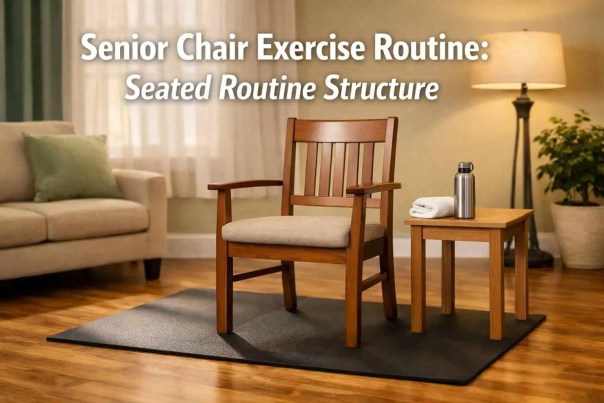
Senior Chair Exercise Routine: Seated Routine Structure

Senior Chair Exercise Routine: Seated Routine Structure

Quick Answer

A senior chair exercise routine built around seated movement follows a simple three-part structure: a brief warm-up to prepare joints and circulation, a main section targeting upper body, core, and lower body in turn, and a short cool-down with gentle stretches. This structure keeps movement safe, organized, and realistic for anyone who needs or prefers to stay seated throughout their routine.

Key Takeaways

  • Seated chair routines follow a warm-up, main work, cool-down pattern that takes 10–20 minutes total
  • The main section moves through body regions (arms and shoulders, core and back, legs and ankles) rather than jumping around
  • A sturdy chair without wheels, placed on a non-slip surface, is the only equipment required
  • Modifications let you adjust range of motion, speed, and support level based on how you feel that day
  • Seated routines work well for limited standing tolerance, balance concerns, or days when energy is lower
  • Consistency matters more than intensity—short, regular sessions build strength and mobility over time
  • Chair-based movement supports independence by maintaining joint mobility, circulation, and functional strength

What Is a Senior Chair Exercise Routine?

A senior chair exercise routine is a structured series of seated movements designed to maintain mobility, circulation, and basic strength without requiring standing or floor work. The routine uses a sturdy chair as both support and equipment, making movement accessible when balance, stamina, or joint discomfort limits other options.

flat-lay composition of chair exercise preparation essentials arranged on light

These routines focus on gentle, controlled movements through comfortable ranges of motion. The structure keeps sessions organized and helps build consistency—two factors that matter more than intensity when the goal is healthy aging and staying independent.

Who benefits most: Adults who prefer seated activity, those restarting after a break, anyone with limited standing tolerance, and people looking for a low-barrier way to move daily. Also useful on lower-energy days or as a complement to other home exercise routines for seniors.

Common mistake: Skipping the structure and doing random movements. A clear routine pattern makes it easier to remember, track progress, and stay consistent.


How Do You Set Up Safely for Seated Chair Exercises?

Start with a sturdy chair that has a solid seat, firm back support, and no wheels. Armless chairs work best because they allow free arm movement, but chairs with arms are fine if you need extra support getting in and out.

Setup checklist:

  • Place the chair on a non-slip mat or against a wall for stability
  • Sit toward the front half of the seat with feet flat on the floor, hip-width apart
  • Keep your back straight but not rigid—imagine a string gently lifting the top of your head
  • Position a small table or surface nearby for water and any props (towel, light weights if used later)
  • Wear comfortable, non-restrictive clothing and supportive shoes with grip

Choose a chair with arms if: You need hand support to sit down or stand up, or if balance feels unsteady even while seated. Choose armless if you want more freedom for upper body and side movements.

For more guidance on getting started safely, see our guide to seated chair exercises.


What Does the Warm-Up Section Include?

The warm-up prepares joints and increases circulation before the main work begins. This takes 2–4 minutes and uses small, gentle movements that gradually increase range of motion.

Typical warm-up movements:

  • Neck rolls: Slowly tilt head side to side, then gently roll chin toward chest and back to center
  • Shoulder shrugs and circles: Lift shoulders toward ears, release, then roll shoulders backward in small circles
  • Wrist and ankle circles: Rotate wrists and ankles slowly in both directions
  • Seated marching: Lift knees alternately in a slow, controlled rhythm

Start with smaller ranges and slower speeds. The goal is to feel joints loosen and muscles warm slightly—not to work hard or reach your limit.

Common mistake: Rushing through the warm-up or skipping it entirely. Taking a few minutes to prepare reduces stiffness and makes the main movements feel easier.


How Is the Main Section of a Seated Routine Structured?

The main section moves through three body regions in sequence: upper body, core and back, then lower body. This structure keeps the routine organized and ensures balanced movement across major muscle groups.

three distinct body zones for seated chair exercises

Each region gets 3–5 minutes of attention, with 2–4 different movements per area. You can adjust time and repetitions based on energy and comfort.

Upper Body (Arms, Shoulders, Chest)

Sample movements:

  • Arm raises: Lift arms forward or out to the sides, palms facing up or down
  • Shoulder blade squeezes: Pull shoulder blades together gently, hold briefly, release
  • Arm circles: Extend arms and make small circles, gradually increasing size
  • Bicep curls: Bend elbows to bring hands toward shoulders, using light resistance or body weight only

For more upper body options, see our guide to arm chair exercises.

Core and Back (Torso Stability)

Sample movements:

  • Seated twists: Rotate torso gently side to side, keeping hips stable
  • Side bends: Lean slowly to one side, sliding hand down the chair leg, return to center
  • Gentle forward bends: Hinge slightly at hips, reaching hands toward knees
  • Seated posture holds: Sit tall, engage core lightly, hold for a few breaths

For core-focused movements, see our abdominal chair exercises guide.

Lower Body (Legs, Hips, Ankles)

Sample movements:

  • Leg extensions: Straighten one knee to lift foot forward, lower slowly
  • Ankle pumps: Point toes forward, then flex feet back toward shins
  • Seated hip marches: Lift one knee, lower, alternate sides
  • Heel and toe raises: Lift heels while keeping toes down, then reverse

For additional lower body work, see our leg strengthening exercises.

Repetitions: Start with 5–8 repetitions per movement, or hold positions for 5–10 seconds. Add more reps gradually as movements feel easier.


What Should the Cool-Down Include?

The cool-down brings heart rate and breathing back to baseline and gently stretches muscles used during the main section. This takes 2–3 minutes and emphasizes slow, sustained stretches rather than active movement.

Typical cool-down stretches:

  • Neck stretches: Tilt head gently to each side, holding 10–15 seconds
  • Shoulder and chest stretch: Clasp hands behind back (or hold chair back) and gently lift chest
  • Seated forward fold: Hinge at hips, letting arms hang toward floor or rest on thighs
  • Ankle and calf stretch: Extend one leg, flex foot back, hold briefly

Hold each stretch in a comfortable position—never force or bounce. Breathe slowly and steadily throughout.

Common mistake: Skipping the cool-down or rushing through it. These final minutes help reduce stiffness later and signal to your body that the session is complete.


How Do You Modify a Seated Routine for Different Needs?

Modifications adjust range of motion, speed, support level, and duration to match current ability and comfort. The same routine structure works across a wide range of fitness levels when you personalize the details.

modification options for different ability levels in seated chair exercises

Modification strategies:

  • Smaller range: Move through less distance—lift arms halfway instead of overhead, twist torso only slightly
  • Slower pace: Take more time per repetition, pause between movements
  • Added support: Use chair arms for stability, place a cushion behind lower back, hold a wall or table edge
  • Fewer repetitions: Start with 3–5 reps per movement instead of 8–10
  • Shorter sessions: Do 10 minutes instead of 20, or split the routine into two 5-minute sessions

Choose smaller range and slower pace if: You’re restarting after a break, managing stiffness, or feeling cautious. Choose fuller range and more reps if movements feel easy and you want gradual progression.

For more beginner-friendly options, see our simple chair exercises guide.


How Long Should a Seated Chair Routine Take?

A complete seated routine typically takes 10–20 minutes, including warm-up, main work, and cool-down. Shorter sessions (5–10 minutes) are fine when time or energy is limited—consistency matters more than duration.

Sample time breakdowns:

  • 10-minute routine: 2-minute warm-up, 6-minute main section (2 minutes per body region), 2-minute cool-down
  • 15-minute routine: 3-minute warm-up, 9-minute main section (3 minutes per region), 3-minute cool-down
  • 20-minute routine: 4-minute warm-up, 12-minute main section (4 minutes per region), 4-minute cool-down

Start with the shorter end and add time gradually as the routine becomes familiar. Doing 10 minutes daily builds more strength and mobility than doing 30 minutes once a week.

For other time-based options, see our 10-minute exercise routine or 5-minute workout guide.


What Are Common Mistakes in Seated Routine Structure?

Skipping the warm-up or cool-down: Jumping straight into main movements increases stiffness and makes the session less comfortable. Always include brief preparation and wind-down phases.

Doing too much too soon: Starting with long sessions or large ranges of motion can lead to soreness that discourages consistency. Begin conservatively and add gradually.

Holding your breath: Tension and breath-holding reduce oxygen flow and make movements harder. Breathe steadily and naturally throughout.

Ignoring discomfort signals: Sharp pain, dizziness, or unusual fatigue means stop and rest. Mild muscle effort is normal; pain is not.

Inconsistent practice: Doing a routine sporadically builds less benefit than shorter, regular sessions. Aim for 3–5 days per week minimum.


How Do You Track Progress with Seated Routines?

Progress shows up as movements feeling easier, increased range of motion, better posture during daily activities, and improved confidence. Tracking simple metrics helps you notice gradual improvements.

What to track:

  • Number of repetitions completed comfortably
  • Range of motion (how far you can reach, lift, or twist)
  • How you feel during and after the routine (energy, stiffness, mood)
  • Frequency (days per week you complete the routine)

Write down one or two notes after each session—nothing elaborate. Over weeks and months, you’ll see patterns and progress that aren’t obvious day to day.

Edge case: If progress stalls or movements feel harder, check for changes in sleep, stress, or daily activity level. Sometimes rest or adjustments outside the routine make the difference.

For broader context on building sustainable habits, see our guide to healthy aging.


FAQ

How often should I do a seated chair routine?
Three to five days per week is a good target. Daily is fine if sessions are short and you feel good. Rest days help muscles recover and prevent burnout.

Can I do a seated routine if I have arthritis or joint pain?
Yes, but start with smaller ranges and slower speeds. Gentle movement often reduces stiffness over time. Stop if any movement causes sharp pain, and consult a healthcare provider if unsure.

Do I need weights or resistance bands?
No. Body weight and controlled movement provide enough challenge to start. Add light resistance later if movements feel too easy and you want progression.

What if I can’t lift my arms overhead?
Lift only as high as comfortable—shoulder height or lower is fine. Range of motion often improves gradually with consistent practice.

Should I do the routine in the morning or evening?
Whichever time you’ll do consistently. Some people prefer morning to reduce stiffness; others prefer afternoon or evening when joints feel looser.

Can I split the routine into shorter sessions?
Yes. Two 5-minute sessions or three 5-minute sessions spread through the day work well if sitting for 15 minutes straight feels too long.

What if I feel dizzy during seated exercises?
Stop immediately, sit back fully in the chair, and breathe slowly. Dizziness can result from moving too quickly, holding your breath, or standing up suddenly. If it persists, consult a healthcare provider.

How long before I notice improvements?
Most people notice small changes—less stiffness, easier movement—within 2–3 weeks of consistent practice. Strength and range of motion build more gradually over months.

Can I combine seated routines with other exercise?
Yes. Seated routines pair well with gentle walking, balance work, or standing exercises on days when energy is higher.

What if I miss several days?
Start again with shorter sessions or smaller ranges. Consistency matters more than perfection. Missing a few days doesn’t erase previous progress.

Do seated routines help with balance?
Indirectly, yes. Strengthening core, legs, and improving body awareness supports balance, but seated work alone won’t replace standing balance practice. Combine both when possible.

Can I do seated exercises every day?
Yes, if sessions are moderate and you feel good. Listen to your body—if you feel overly tired or sore, take a rest day.


Conclusion

A senior chair exercise routine built around seated movement offers a clear, manageable structure that supports healthy aging without requiring standing, special equipment, or high intensity. The three-part pattern—warm-up, main work through body regions, cool-down—keeps sessions organized and helps build the consistency that matters most for strength, mobility, and independence.

Next steps:

  1. Choose a sturdy chair and clear a small space
  2. Start with a 10-minute routine: 2 minutes warm-up, 6 minutes main work (2 minutes per body region), 2 minutes cool-down
  3. Practice 3–4 days this week, adjusting range and reps to match your comfort level
  4. Track how movements feel and note any improvements in daily activities
  5. Add time or repetitions gradually as the routine becomes familiar

Movement matters, and seated routines make daily movement accessible regardless of current fitness level or physical limitations. Small, consistent sessions build the strength and mobility that support independence and confidence as you age.

For additional seated movement ideas, explore our easy chair exercises guide or chair-based workouts.


This article is part of our Daily Healthy Habits series.

Share This Page

7-Day Meal Plan For Elderly: Simple Weekly Meal Framework

7 Day Meal Plan For Elderly

A 7-Day Meal Plan For Elderly provides a practical structure for eating balanced meals throughout the week without strict rules or complicated recipes. This framework helps organize food choices around basic building blocks that support strength, energy, and staying independent.

Many people find that planning meals ahead reduces daily decisions and makes shopping simpler. This approach focuses on repeatable patterns rather than detailed menus, with room to adjust based on appetite, preferences, and what’s available.

Key Takeaways

  • Building block approach: Each meal combines protein, produce, fiber-rich carbs, and healthy fats in flexible portions
  • Repeatable patterns: The 7-day framework uses similar meal types that rotate through the week for easier planning
  • Flexible portions: Adjust serving sizes based on appetite and activity level without counting calories
  • Simple planning: Focus on category-based shopping lists and batch cooking to reduce daily effort
  • Safety basics: Include reminders about food storage and texture considerations for comfortable eating

What This Meal Framework Means for Seniors

Meal Framework for Seniors

This weekly structure organizes meals around four basic categories that appear at each eating occasion. The building blocks include a protein source, colorful produce, a fiber-rich carbohydrate, and a source of healthy fat. These components work together to support muscle maintenance, energy throughout the day, and digestive comfort.

The framework provides enough variety to prevent boredom while keeping preparation straightforward. Instead of following exact recipes, the plan offers meal types and simple combinations that can be mixed and matched based on what’s in the kitchen or what sounds appealing.

Basic Building Blocks

CategoryExamplesTypical Portion Range
ProteinChicken, fish, eggs, beans, tofu, Greek yogurtPalm-sized portion or 1 cup legumes
ProduceLeafy greens, berries, tomatoes, carrots, peppers1-2 cups vegetables, 1 piece fruit
Fiber CarbsBrown rice, whole wheat bread, oats, quinoaFist-sized portion or 1 slice bread
Healthy FatsOlive oil, avocado, nuts, seeds1-2 tablespoons or small handful

This structure appears in different forms across breakfast, lunch, and dinner. A morning meal might combine oats (fiber carb) with berries (produce), Greek yogurt (protein), and almonds (healthy fat). An evening meal could pair baked chicken (protein) with roasted vegetables (produce), brown rice (fiber carb), and olive oil (healthy fat).

Why Meal Planning Becomes More Important With Age

Appetite often changes over time, and some people find they eat less at individual meals. A weekly framework helps ensure adequate nutrition even when portions become smaller. Planning ahead also reduces the physical effort of daily shopping trips and lengthy meal preparation.

Having a structure in place makes it easier to maintain consistent eating patterns, which supports steady energy levels and helps prevent unintended weight changes. The framework approach also simplifies grocery shopping by organizing items into predictable categories.

For those managing multiple medications or health considerations, regular meal timing and balanced food choices help maintain stable routines. The healthy meal plan for seniors provides additional context on building sustainable eating patterns.

How This Framework Affects Daily Life

A 7-Day Meal Plan For Elderly reduces decision fatigue by establishing repeatable meal patterns. Instead of wondering what to eat at each meal, the framework provides a template that can be filled in with preferred foods.

This structure also supports better use of leftovers and batch cooking. Preparing larger portions of certain components—like grilled chicken, cooked grains, or roasted vegetables—creates ready-to-use ingredients for multiple meals throughout the week.

The planning approach helps coordinate shopping trips and reduces food waste by purchasing ingredients that will be used across several meals. It also makes it easier to accommodate dietary preferences or restrictions by building in consistent alternatives.

Simple Weekly Meal Framework

Simple Weekly Meal Framework For Seniors

This 7-day structure presents meal types rather than specific recipes. Each day follows the building block approach with different combinations to provide variety while maintaining simplicity.

Sample Week Structure

Monday

7-Day Meal Plan For Elderly: Monday
  • Breakfast: Oatmeal with berries and walnuts, hard-boiled egg
  • Lunch: Tuna salad on whole wheat bread, carrot sticks, apple
  • Dinner: Baked chicken breast, steamed broccoli, brown rice with olive oil
  • Snack options: Greek yogurt, mixed nuts, or hummus with cucumber

Tuesday

7-Day Meal Plan For Elderly: Tuesday
  • Breakfast: Scrambled eggs, whole wheat toast, orange slices
  • Lunch: Lentil soup, side salad with olive oil dressing, whole grain crackers
  • Dinner: Baked salmon, roasted sweet potato, green beans
  • Snack options: Cottage cheese with berries, handful of almonds

Wednesday

7-Day Meal Plan For Elderly: Wednesday
  • Breakfast: Greek yogurt with granola and banana
  • Lunch: Leftover salmon over mixed greens, whole grain roll
  • Dinner: Ground turkey with tomato sauce over whole wheat pasta, side salad
  • Snack options: Apple with peanut butter, string cheese

Thursday

7-Day Meal Plan For Elderly: Thursday
  • Breakfast: Whole grain cereal with milk and strawberries
  • Lunch: Chicken and vegetable soup, whole wheat crackers, pear
  • Dinner: Baked cod, quinoa, roasted Brussels sprouts with olive oil
  • Snack options: Trail mix, sliced vegetables with hummus

Friday

7-Day Meal Plan For Elderly: Friday
  • Breakfast: Whole wheat toast with avocado and poached egg, tomato slices
  • Lunch: Chickpea salad with vegetables, whole grain pita
  • Dinner: Lean beef or bean chili, side of cornbread, mixed green salad
  • Snack options: Low-fat cheese with whole grain crackers

Saturday

7-Day Meal Plan For Elderly: Saturday
  • Breakfast: Smoothie with banana, berries, Greek yogurt, and oats
  • Lunch: Egg salad sandwich on whole wheat, vegetable soup
  • Dinner: Roasted chicken thighs, baked potato, steamed carrots
  • Snack options: Fresh fruit, small handful of nuts

Sunday

7-Day Meal Plan For Elderly: Sunday
  • Breakfast: Whole grain pancakes with berries, turkey sausage
  • Lunch: Leftover chicken over salad greens, whole grain roll
  • Dinner: Baked tofu or fish, brown rice, stir-fried vegetables
  • Snack options: Yogurt parfait, celery with almond butter

This framework can be adjusted based on preferences. Someone who prefers lighter dinners and larger lunches can swap the meal types. Those who need smaller, more frequent meals can divide portions differently or add additional snacks.

For those who need softer textures, the soft food diet for elderly offers modifications while maintaining nutritional balance.

Adjusting Portions and Meal Frequency

Portion sizes in this framework are presented as ranges rather than exact measurements. A palm-sized portion of protein works for most people, but those with larger appetites or higher activity levels may need slightly more. Those with smaller appetites may eat less at meals and add snacks to meet nutritional needs.

Some people do well with three larger meals per day. Others prefer five or six smaller eating occasions spread throughout the day. Both approaches can work with this framework by adjusting portion sizes accordingly.

Portion Guidance by Appetite Level

  • Smaller appetite: Focus on nutrient-dense choices at meals, add 2-3 snacks between meals
  • Moderate appetite: Use the standard building block portions listed in the table above
  • Larger appetite or more active: Increase protein and produce portions by roughly one-third

The framework doesn’t specify calorie targets or weight goals. Instead, it focuses on balanced food choices and consistent eating patterns that support daily activities and healthy aging.

Simple Planning Tips for the Week

Shopping List Organization

Group grocery items by the four building block categories plus dairy and pantry staples. This approach ensures all meal components are available throughout the week.

  • Proteins: Chicken breasts, salmon fillets, eggs, canned tuna, dried lentils, tofu
  • Produce: Mixed greens, broccoli, carrots, tomatoes, berries, apples, bananas
  • Fiber Carbs: Brown rice, whole wheat bread, oats, quinoa, whole grain pasta
  • Healthy Fats: Olive oil, avocados, mixed nuts, natural peanut butter
  • Dairy: Greek yogurt, low-fat milk, cottage cheese, cheese
  • Pantry: Canned beans, vegetable broth, herbs and spices, whole grain crackers

Batch Cooking Strategies

Preparing certain components in larger quantities reduces daily cooking time:

  • Cook a full pot of brown rice or quinoa to use across multiple meals
  • Grill or bake several chicken breasts at once for salads, sandwiches, and dinners
  • Roast a large pan of mixed vegetables to serve as sides throughout the week
  • Hard-boil a half-dozen eggs for quick breakfast protein or snacks
  • Prepare a large batch of soup or chili that provides several meals

Using Leftovers Effectively

The framework builds in leftover use by design. Dinner proteins often reappear in next-day lunches in different forms. Roasted chicken becomes sandwich filling or salad topping. Cooked grains serve as breakfast porridge or dinner sides.

Store leftovers in clear containers with dates marked. Use refrigerated items within three to four days. Freeze portions that won’t be used within that timeframe.

For additional meal ideas that fit this framework, see simple meals for elderly and easy healthy meals for seniors.

Safety Reminders and Food Handling

Safety Reminders and Food Handling

Storage Guidelines

  • Refrigerate leftovers within two hours of cooking
  • Keep refrigerator at 40°F or below, freezer at 0°F or below
  • Use or freeze refrigerated leftovers within three to four days
  • Label containers with contents and date prepared
  • Thaw frozen items in refrigerator, not on counter

Texture Considerations

Some people find certain textures difficult to chew or swallow comfortably. Modifications can maintain nutrition while improving safety:

  • Choose tender cuts of meat or cook proteins longer until very soft
  • Steam or roast vegetables until easily pierced with a fork
  • Mash or puree foods if needed while keeping meals visually appealing
  • Avoid hard, dry, or sticky foods if they cause difficulty
  • Add moisture with broths, sauces, or gravies when helpful

Hydration Throughout the Day

Drink water or other fluids with meals and between eating occasions. Keep water accessible throughout the day. Some people find it helpful to fill a pitcher each morning to track fluid intake visually.

The senior meal planning and food choices resource provides additional guidance on organizing meals safely.

Snack Options That Fit the Framework

Snacks follow the same building block approach as meals, typically combining two or three categories. These options bridge gaps between meals and help meet daily nutritional needs.

Protein + Produce Combinations

  • Greek yogurt with berries
  • Hard-boiled egg with cherry tomatoes
  • Cottage cheese with melon
  • Hummus with carrot sticks or bell pepper strips

Protein + Fiber Carb Options

  • Peanut butter on whole grain crackers
  • String cheese with whole grain pretzels
  • Tuna on whole wheat crackers
  • Turkey roll-ups with whole grain tortilla

Balanced Snack Ideas

  • Apple slices with almond butter
  • Trail mix with nuts, seeds, and dried fruit
  • Whole grain toast with avocado
  • Smoothie with fruit, yogurt, and oats

For more snack ideas, the healthy snacks for elderly guide offers additional options.

Tips to Stay Consistent With the Framework

Start With One Change

Rather than overhauling all meals at once, begin by applying the building block approach to one meal per day. Once that becomes routine, add another meal to the framework.

Keep Backup Options Available

Stock the pantry and freezer with simple items that fit the framework for days when shopping or cooking isn’t possible:

  • Canned beans, tuna, and salmon
  • Frozen vegetables and fruits
  • Whole grain crackers and bread (can be frozen)
  • Shelf-stable milk or milk alternatives
  • Nut butters
  • Frozen cooked grains or whole grain waffles

Simplify When Needed

The framework allows for very simple combinations on busy or low-energy days. A sandwich with protein, vegetables, and whole grain bread covers all building blocks. A bowl of vegetable soup with added beans and whole grain crackers does the same.

Adjust Seasonally

Use the same framework with different ingredients as seasons change. Summer might emphasize fresh berries and salads, while winter could focus on roasted root vegetables and warm soups. The building block structure remains consistent.

When to Talk to a Doctor

Discuss dietary changes with a healthcare provider if:

  • Managing multiple medications that affect appetite or food interactions
  • Experiencing unintended weight changes (loss or gain)
  • Having difficulty chewing, swallowing, or digesting certain foods
  • Dealing with specific health conditions that require dietary modifications
  • Noticing changes in appetite, taste, or interest in food
  • Considering significant changes to current eating patterns

A registered dietitian can provide personalized guidance for specific nutritional needs or health conditions. This framework offers general structure but may need modification for individual circumstances.

The healthy eating for seniors resource provides broader context on nutrition considerations.

Conclusion

A 7-Day Meal Plan For Elderly provides a flexible framework built around simple building blocks rather than strict menus. This approach organizes meals into repeatable patterns that support balanced nutrition while remaining adaptable to individual preferences and needs.

The framework reduces daily decision-making, simplifies shopping, and makes efficient use of batch cooking and leftovers. It accommodates different appetite levels and eating schedules without requiring precise measurements or calorie counting.

Next Steps

  1. Review the sample week structure and identify which meal types sound most appealing
  2. Create a simple shopping list organized by the four building block categories
  3. Start by applying the framework to one meal per day
  4. Gradually expand to additional meals as the pattern becomes familiar
  5. Adjust portions and meal timing based on appetite and daily routine
  6. Keep backup pantry items available for simplified meals when needed

This framework works alongside daily habits that support staying independent and maintaining strength and mobility. Consistent, balanced eating provides the foundation for staying active and engaged in daily activities.

🍽️ Weekly Meal Builder

Build your own balanced meals using the building block framework. Select a day and choose your preferred options for each meal component.

Breakfast

Lunch

Dinner

📋 Shopping List for Selected Meals


This article is part of our Senior Meal Planning and Food Choices series.

Share This Page