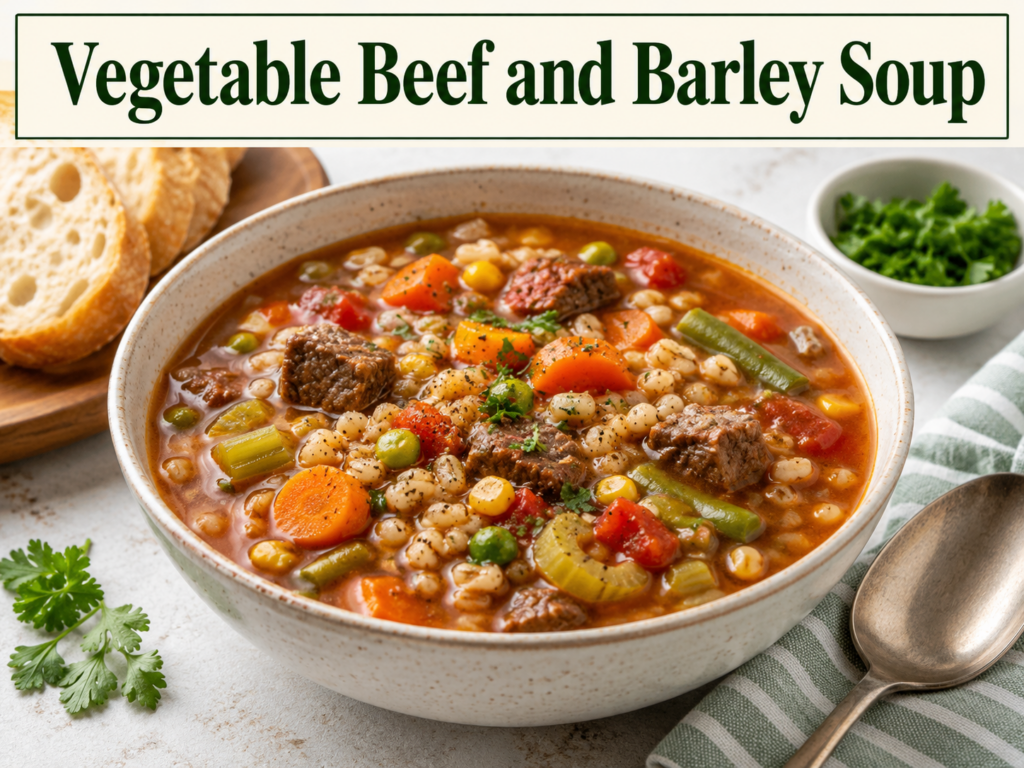
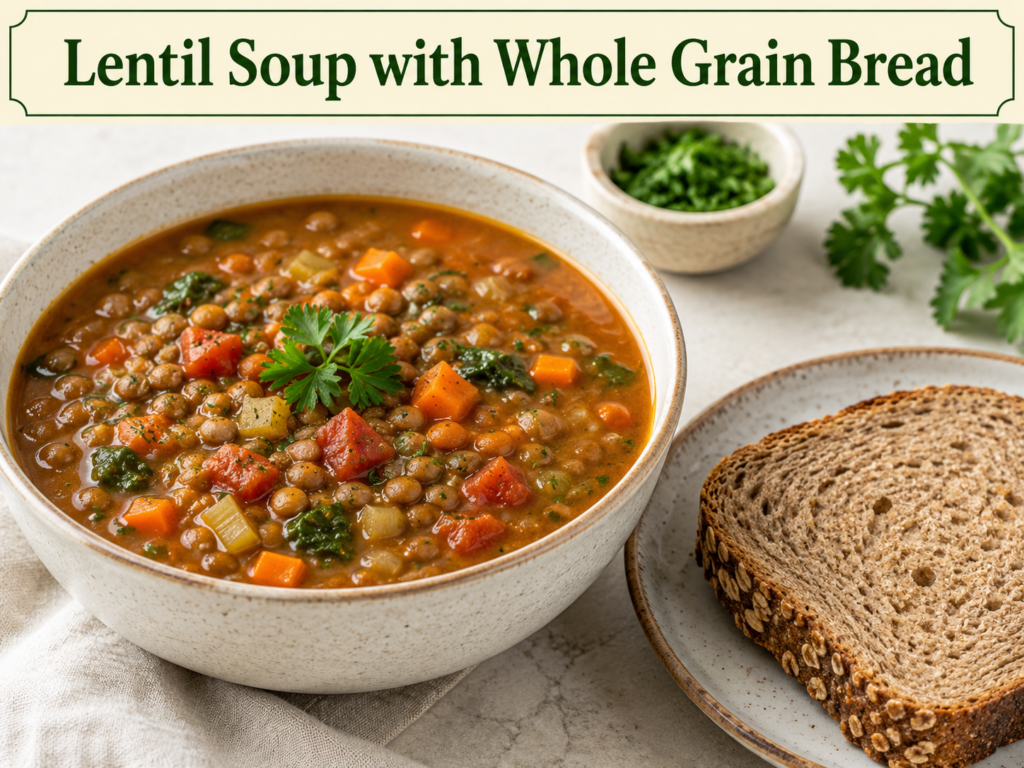
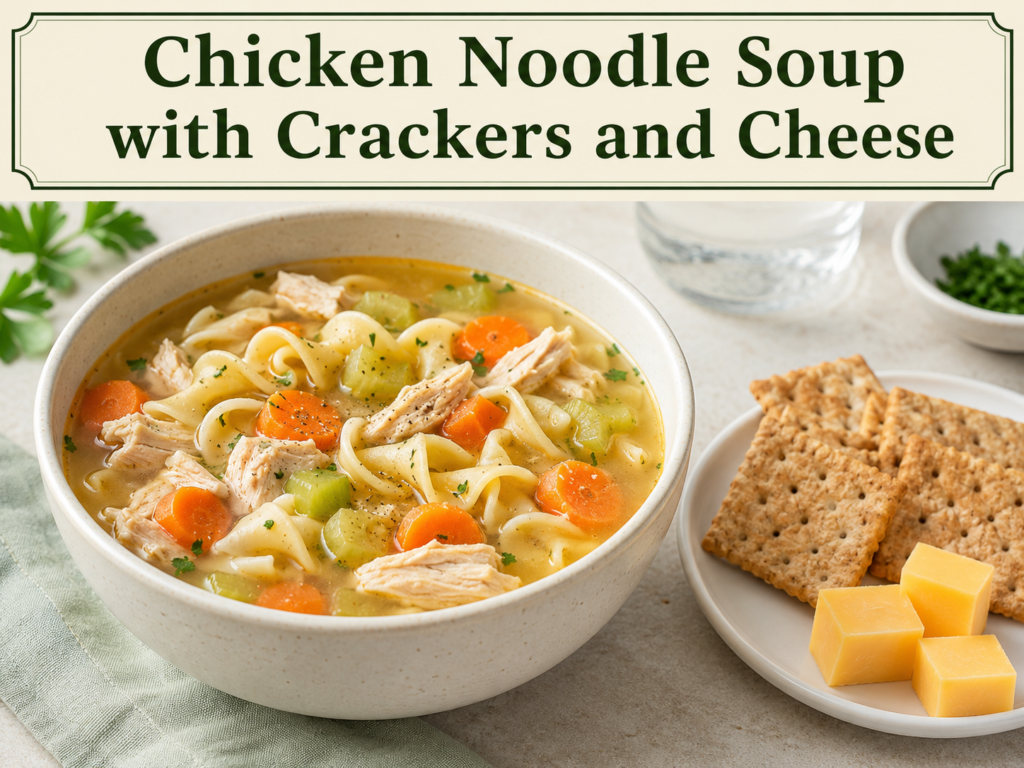
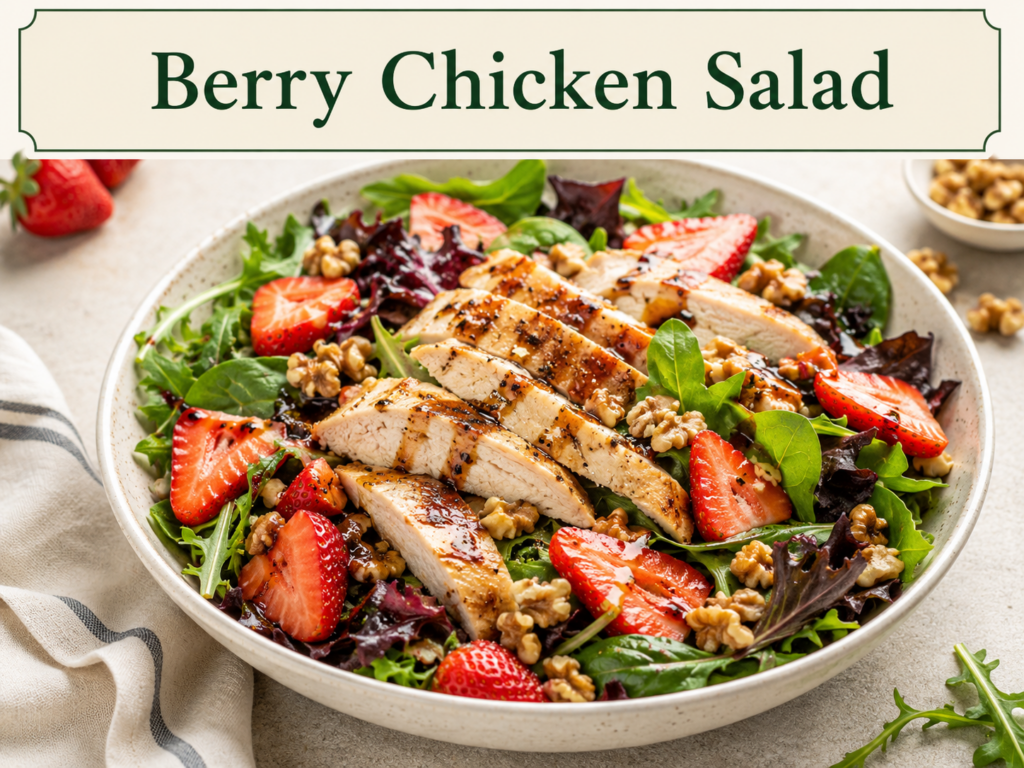
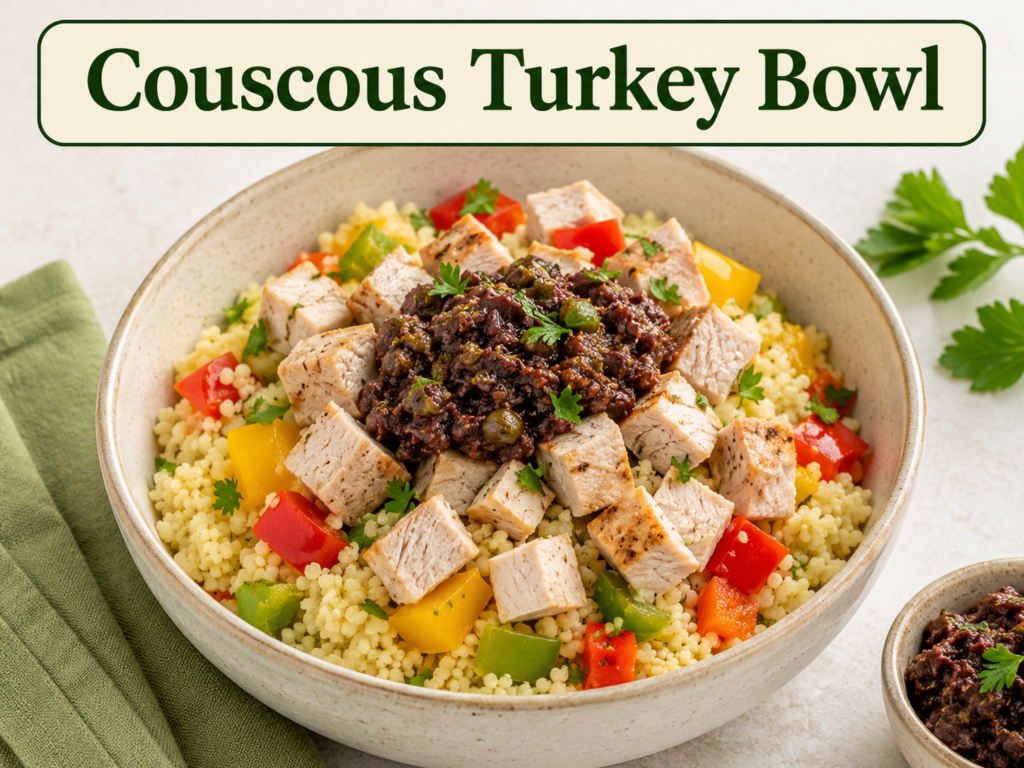
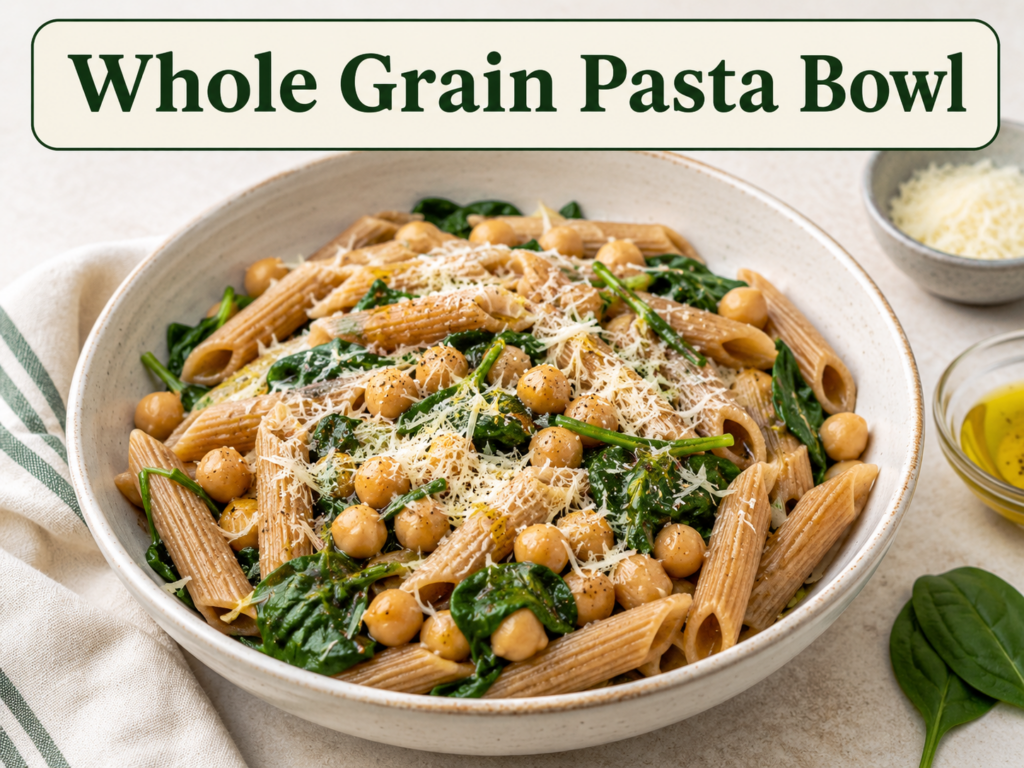
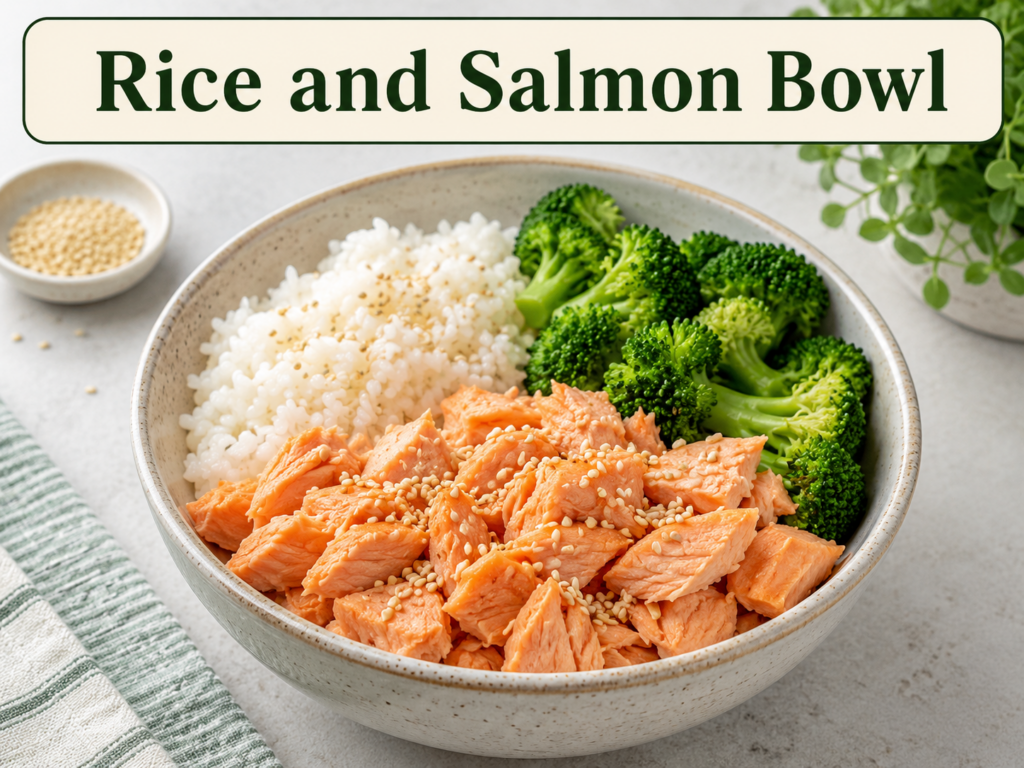
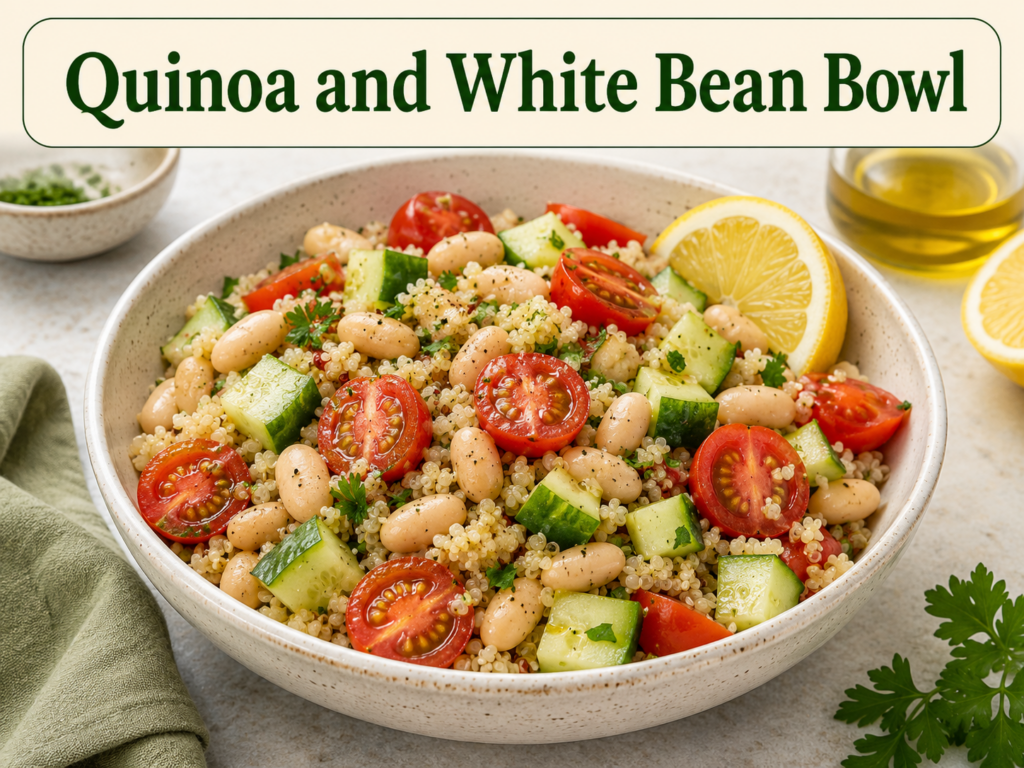
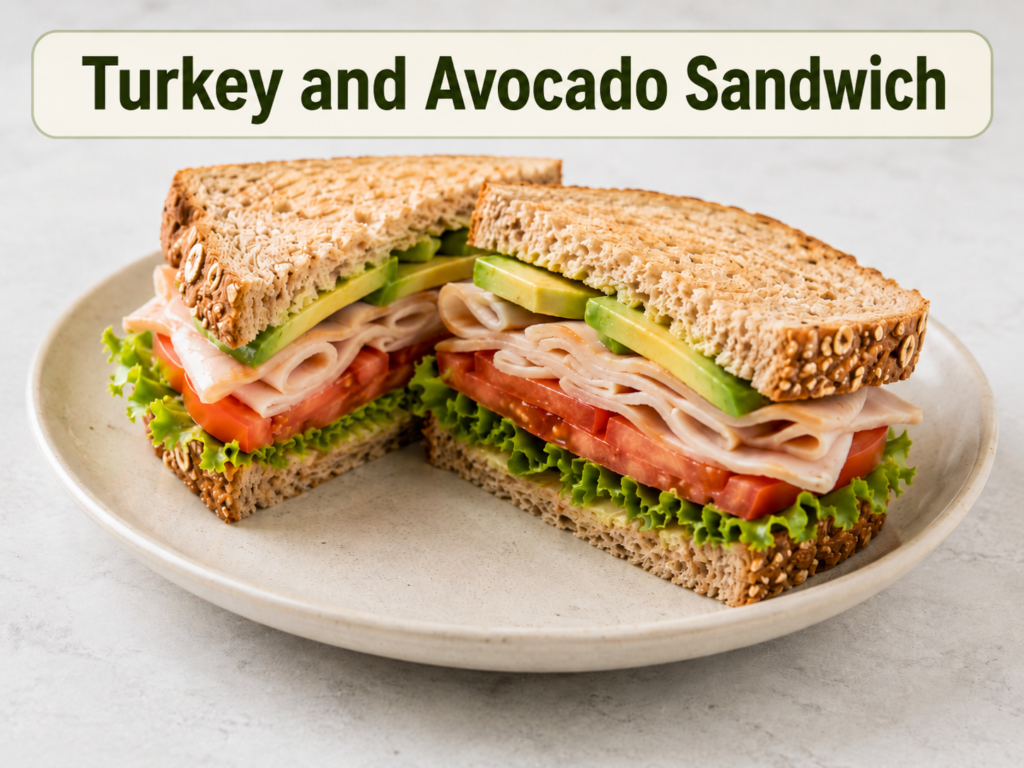
Heart healthy foods for seniors provide simple, everyday eating support that fits naturally into daily routines without complicated meal plans or drastic changes. The path to supporting heart health through food doesn’t require perfection or extreme measures—just consistent, gentle choices that nourish the body and support healthy aging.
Key Takeaways
• Simple swaps work best: Replace processed foods with whole options like fresh fruits, vegetables, and whole grains
• Focus on adding, not restricting: Include more heart-supportive foods rather than eliminating everything enjoyable
• Consistency matters more than perfection: Small, daily choices create lasting habits that support long-term well-being
• Convenience counts: Choose easy-to-prepare options that fit your energy level and cooking abilities
• Gradual changes stick: Make one small adjustment at a time to build sustainable eating patterns
Essential Heart-Supportive Foods for Daily Meals

Fruits and Vegetables: The Foundation
Colorful produce forms the cornerstone of heart-supportive eating. Berries, leafy greens, and orange vegetables provide natural compounds that support cardiovascular function.
Easy daily additions:
• Frozen berries in morning oatmeal or yogurt
• Pre-washed spinach added to soups or sandwiches
• Baby carrots or cherry tomatoes as simple snacks
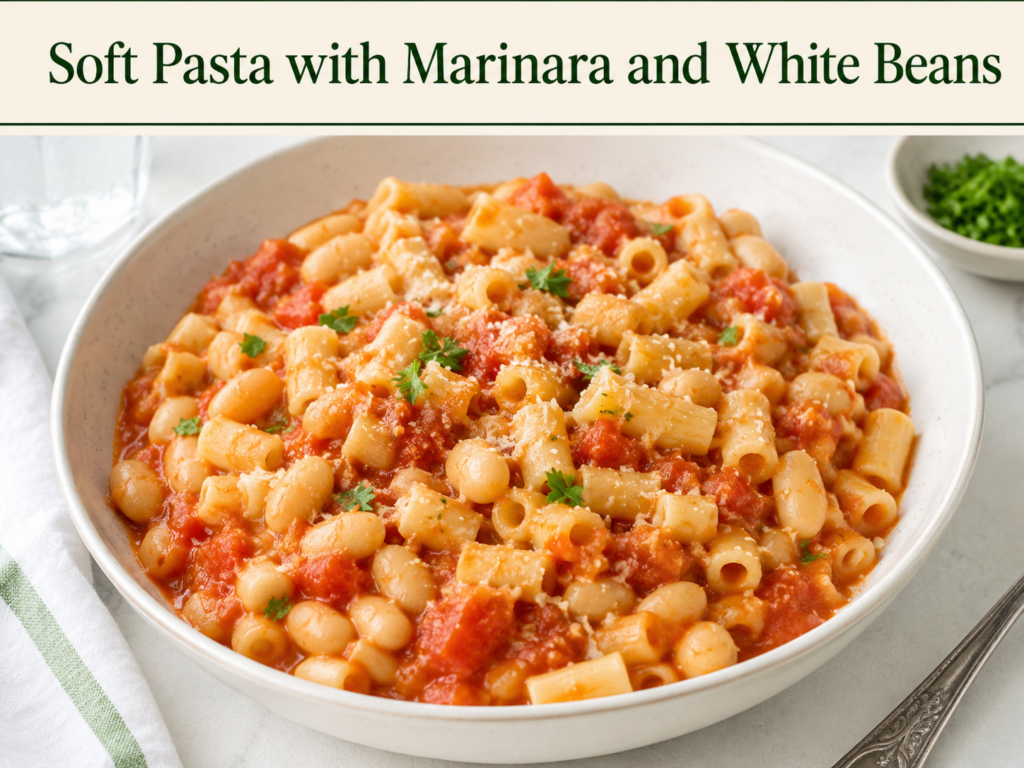
• Canned tomatoes (low sodium) in pasta dishes
Shopping tip: Frozen and canned options (without added sugar or excess sodium) count just as much as fresh. Choose whatever fits your budget and preparation style.
Whole Grains for Sustained Energy
Whole grains support heart health while providing steady energy throughout the day. They’re more filling than refined options and help maintain stable blood sugar.
Simple whole grain choices:
• Oatmeal for breakfast (instant is fine)
• Brown rice instead of white rice
• Whole grain bread for sandwiches
• Quinoa as a side dish (cooks like rice)
Practical approach: Start by replacing one refined grain per day. If white bread is a staple, try whole grain bread for lunch while keeping other meals the same.
Healthy Fats That Support Heart Function
Beneficial fats play a crucial role in heart health. Focus on sources like olive oil, nuts, seeds, and fatty fish rather than eliminating all fats.
Heart-supportive fat sources:
• Olive oil for cooking and salad dressings
• Nuts and seeds as snacks or salad toppings
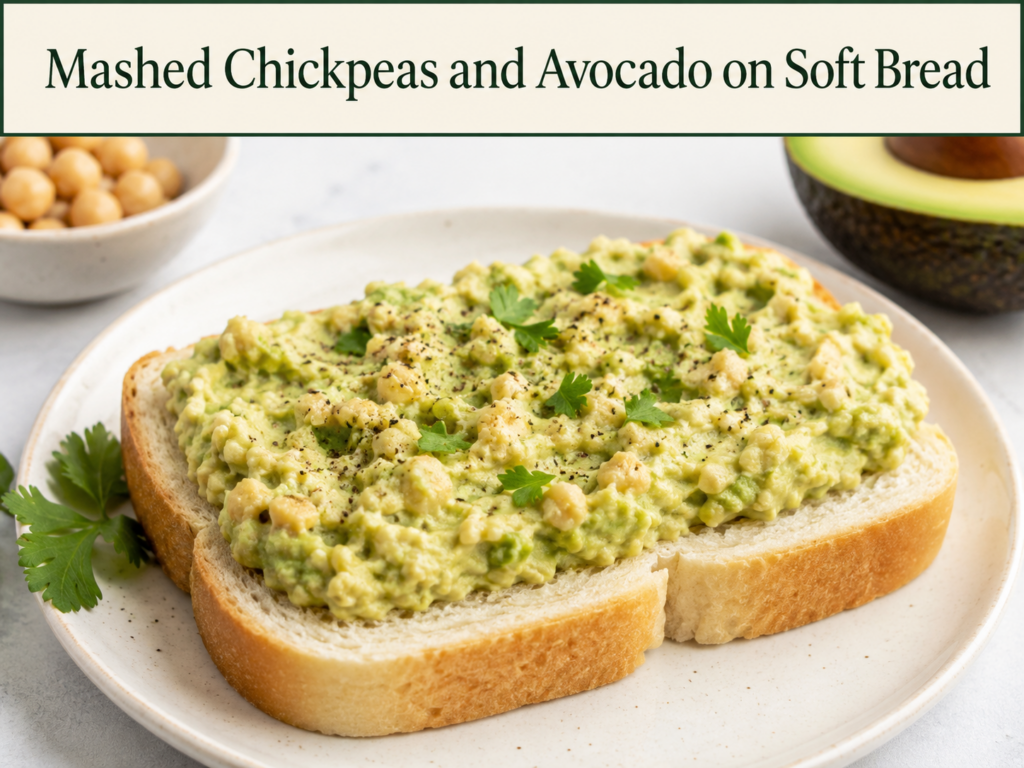
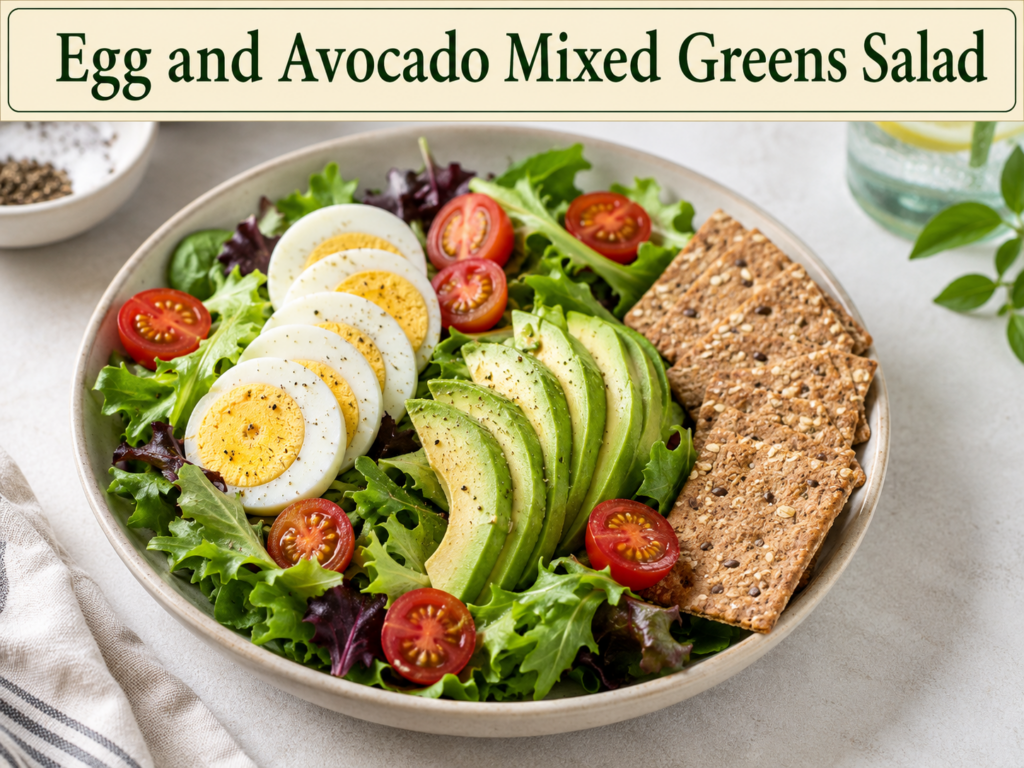
• Avocado on toast or in salads
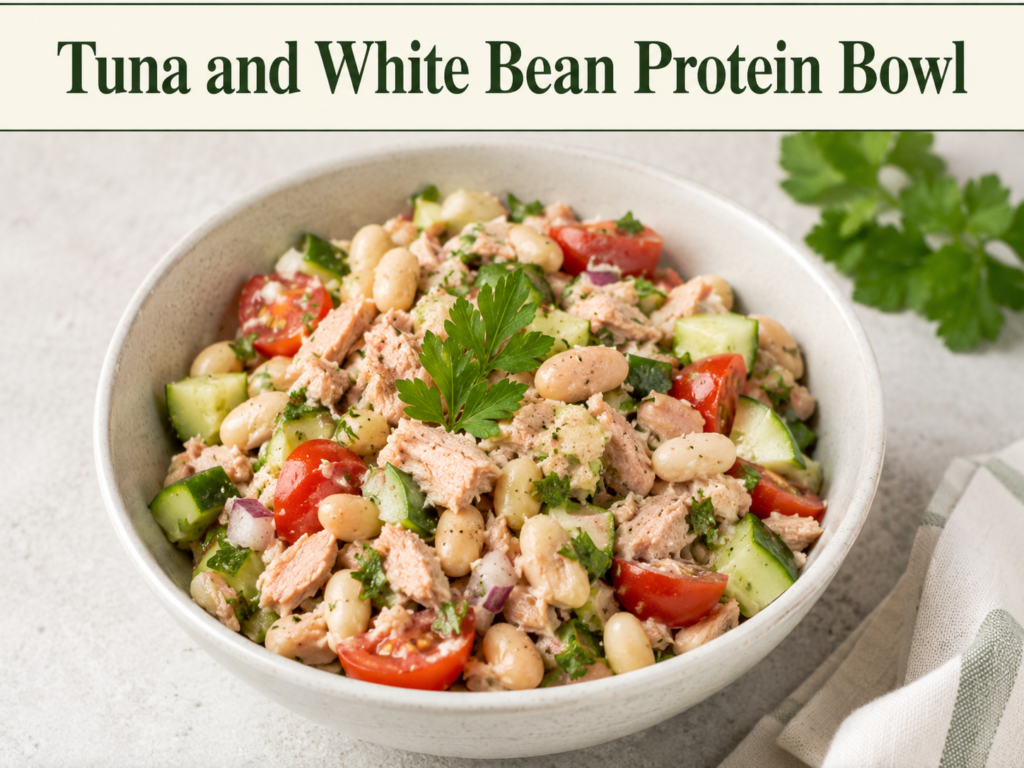
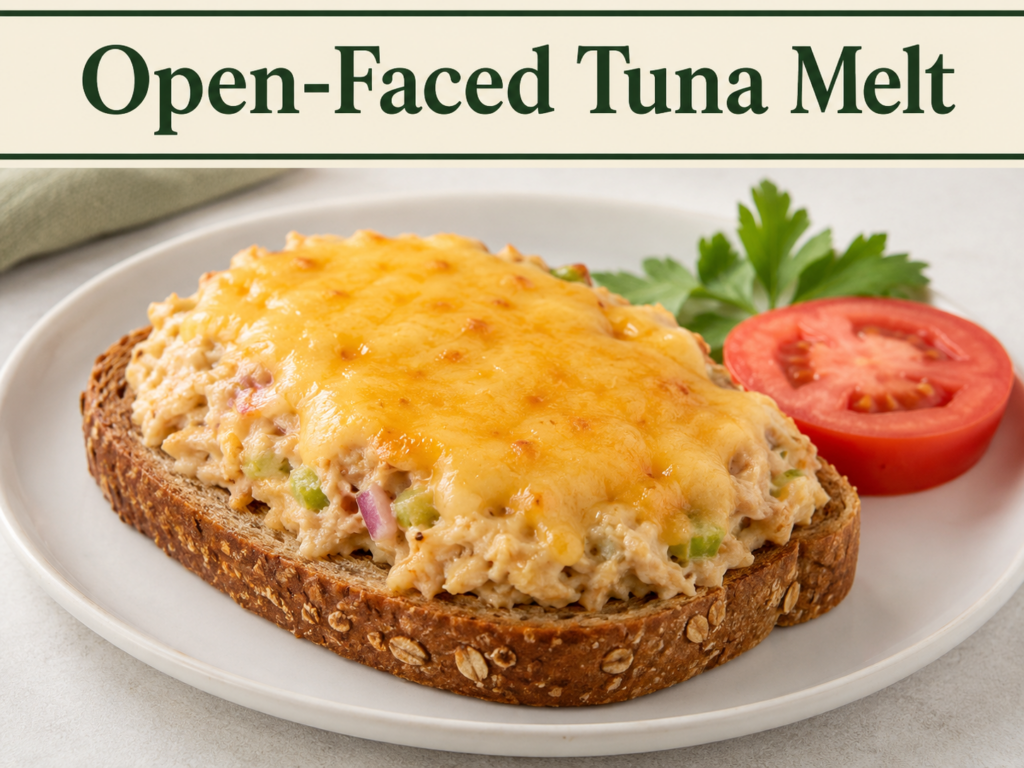
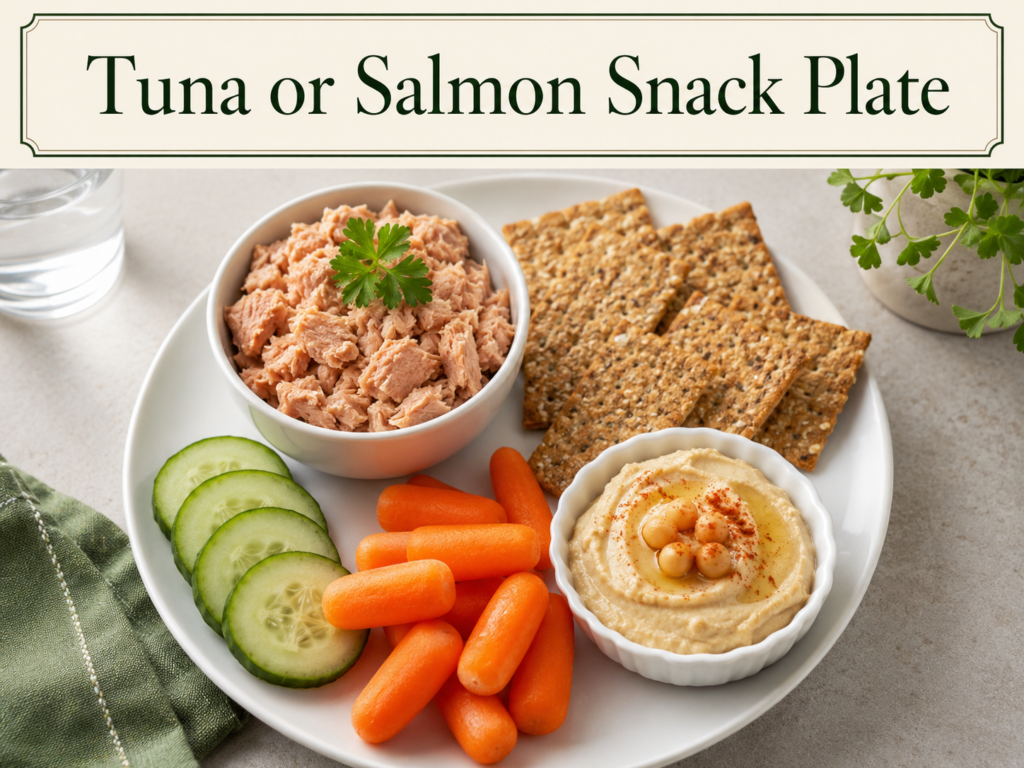
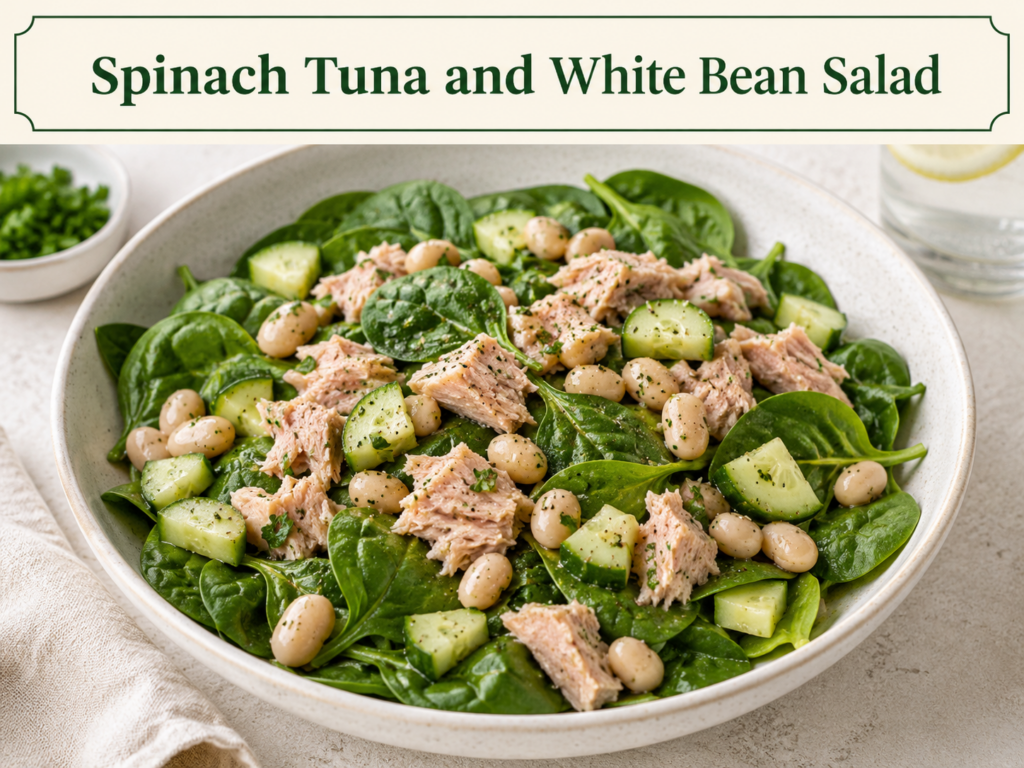
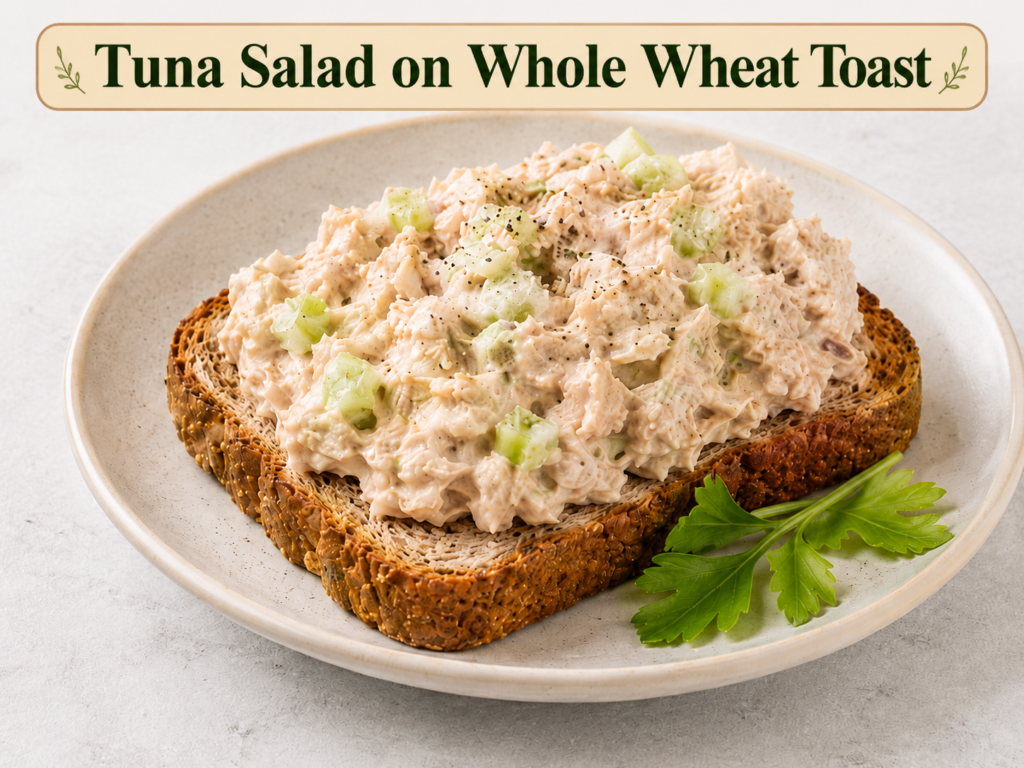
• Fatty fish like salmon, sardines, or canned tuna
Weekly goal: Include fatty fish twice per week and use olive oil as the primary cooking fat. Canned fish counts and offers convenience for quick meals.
Building Heart Healthy Foods For Seniors Into Daily Routines

Breakfast: Start Strong
Morning meals set the tone for the entire day. Focus on combining whole grains, fruits, and healthy fats for sustained energy.
Simple breakfast ideas:
• Oatmeal topped with berries and chopped walnuts
• Whole grain toast with avocado and tomato slices
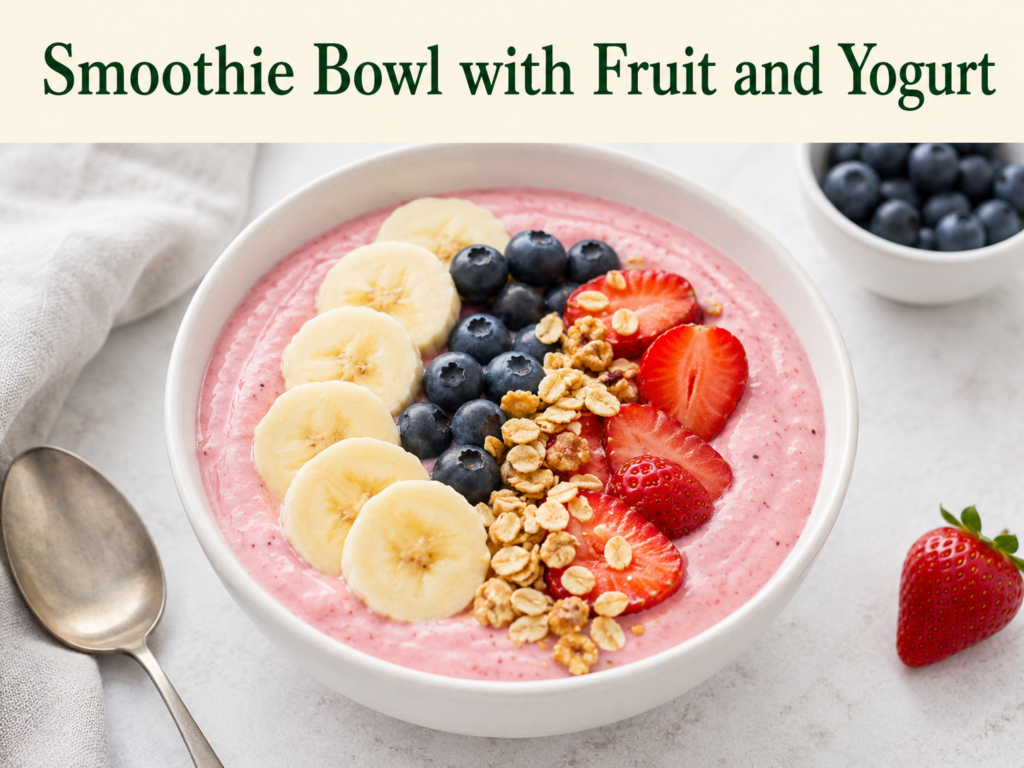
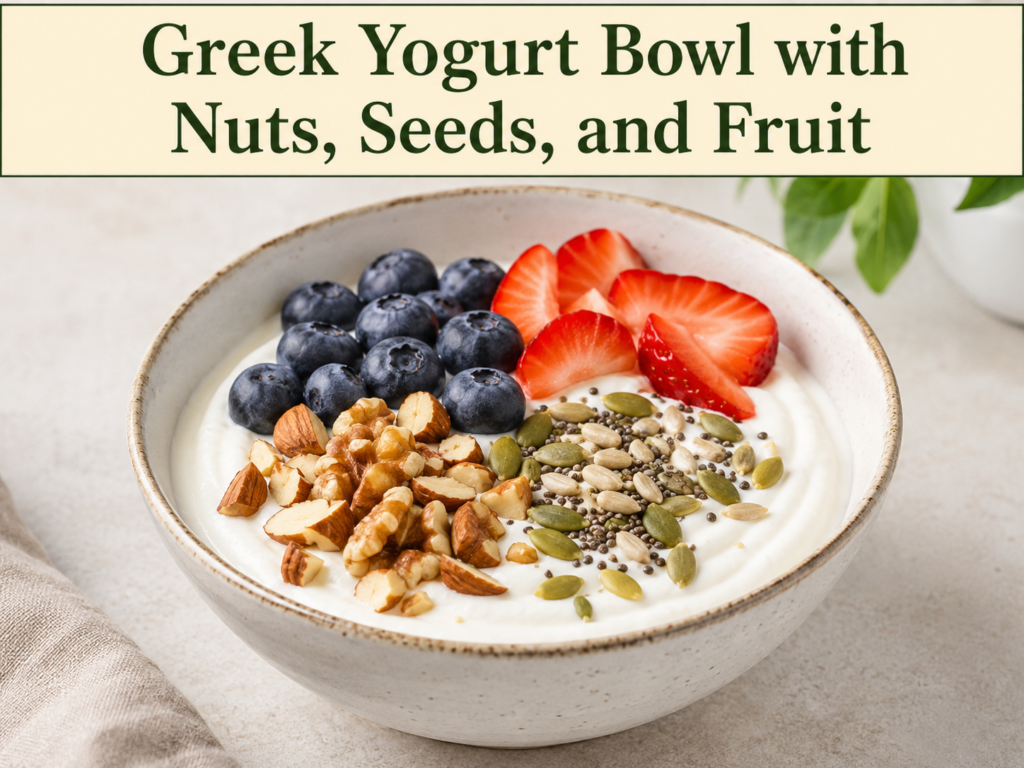
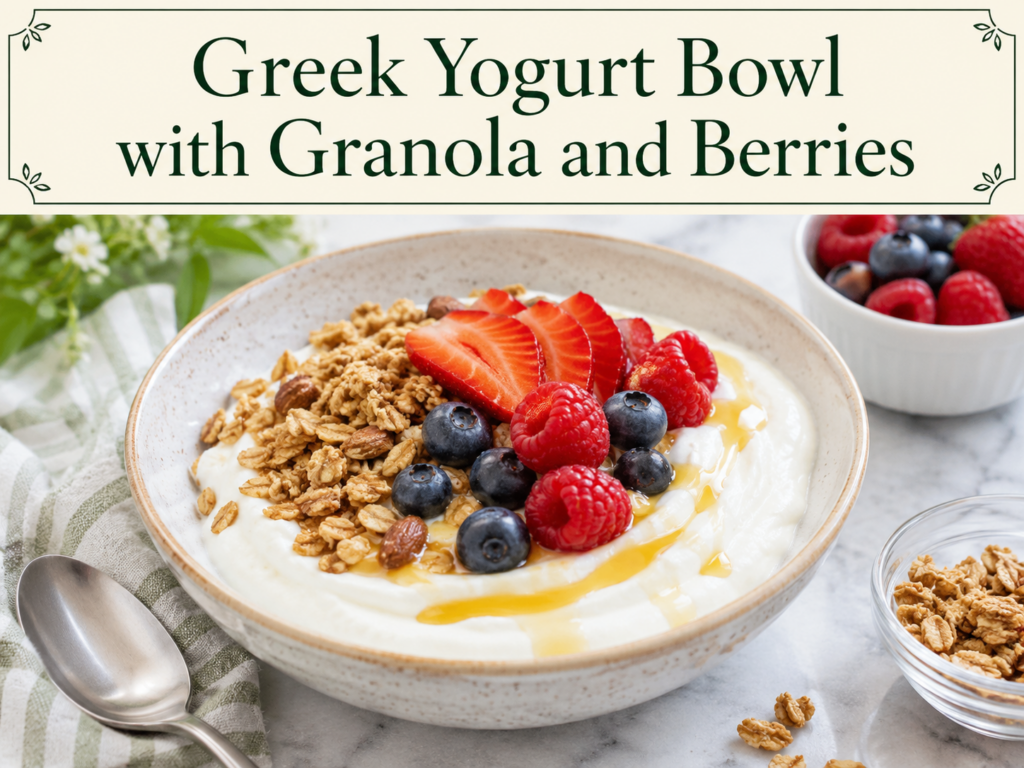
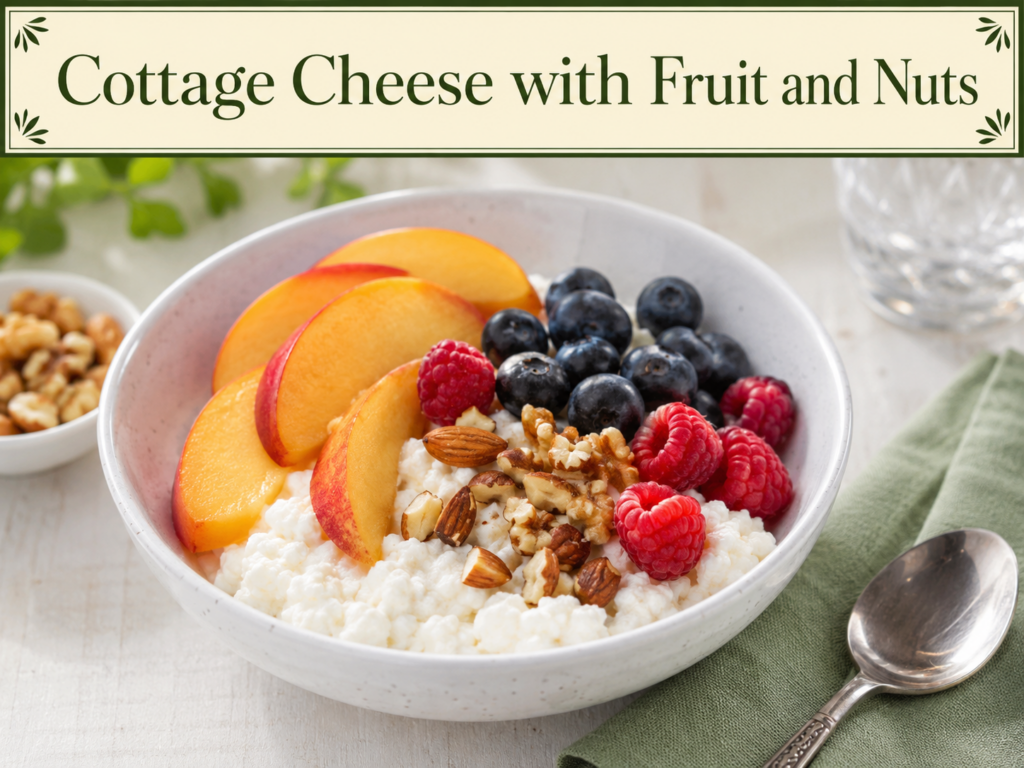
• Greek yogurt with frozen fruit and a sprinkle of seeds
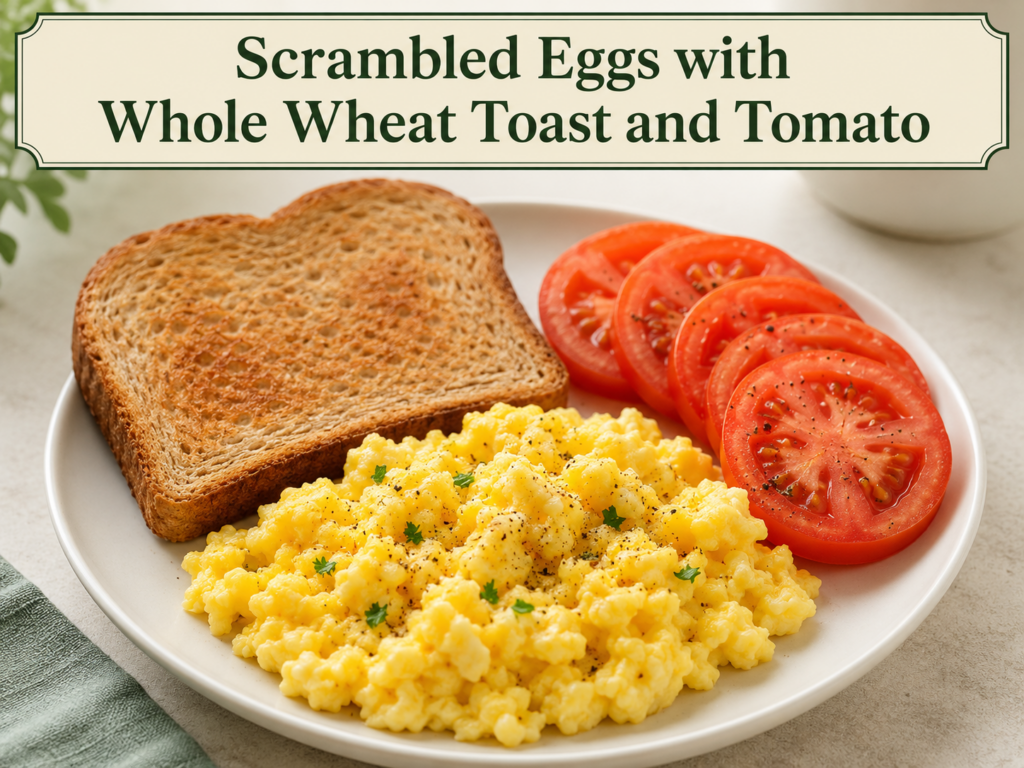
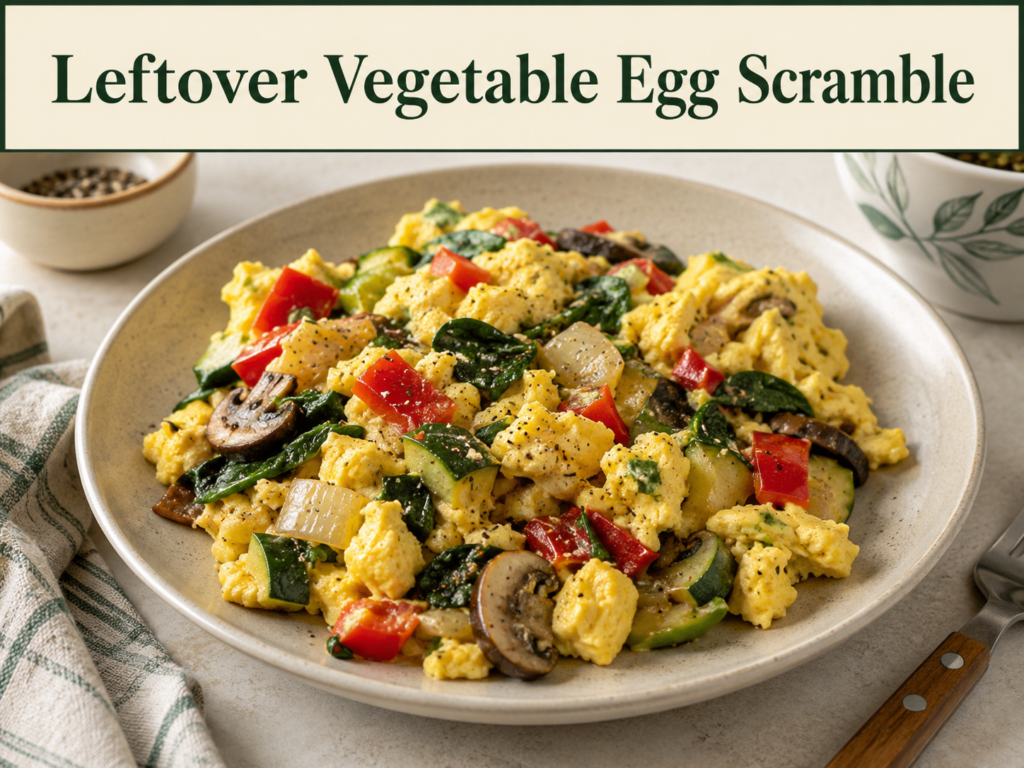
• Scrambled eggs with spinach and whole grain toast
Lunch and Dinner: Keep It Simple
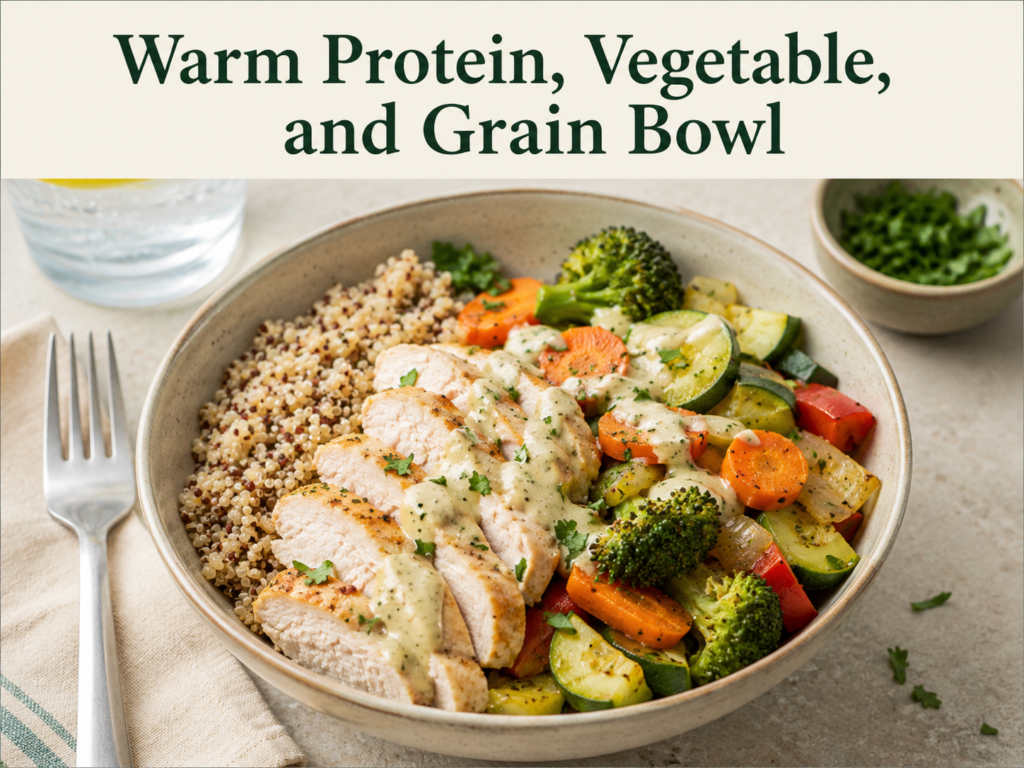
Main meals don’t need to be complicated to support heart health. The key is including vegetables, lean proteins, and whole grains in portions that feel satisfying.
Easy meal combinations:
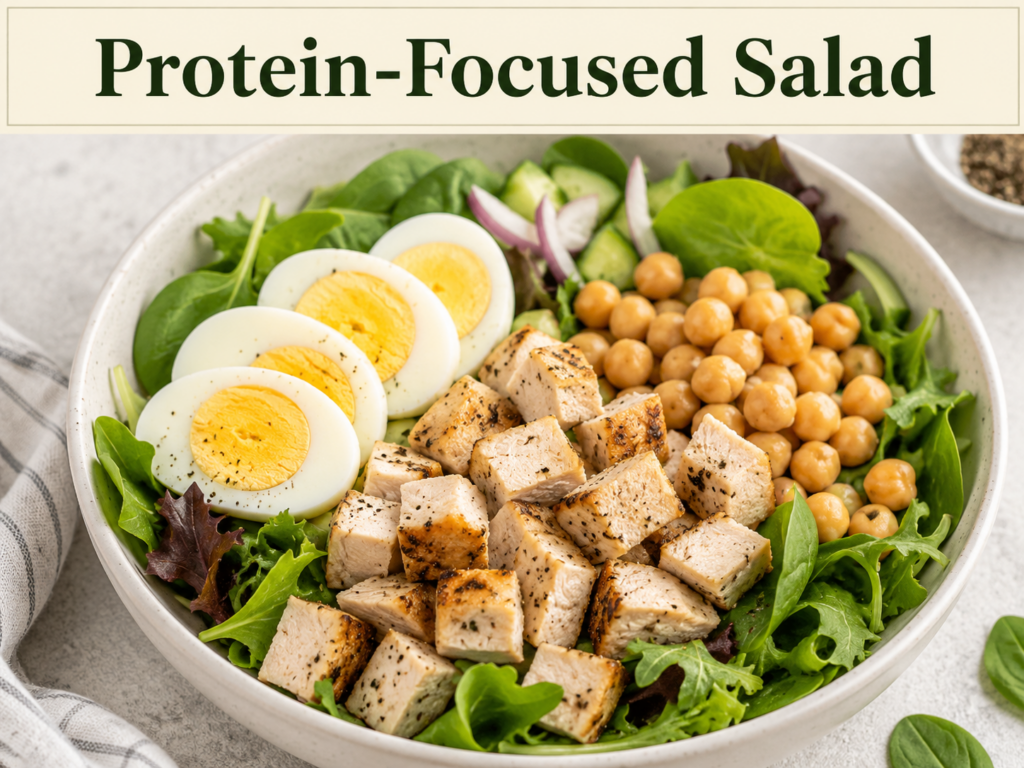
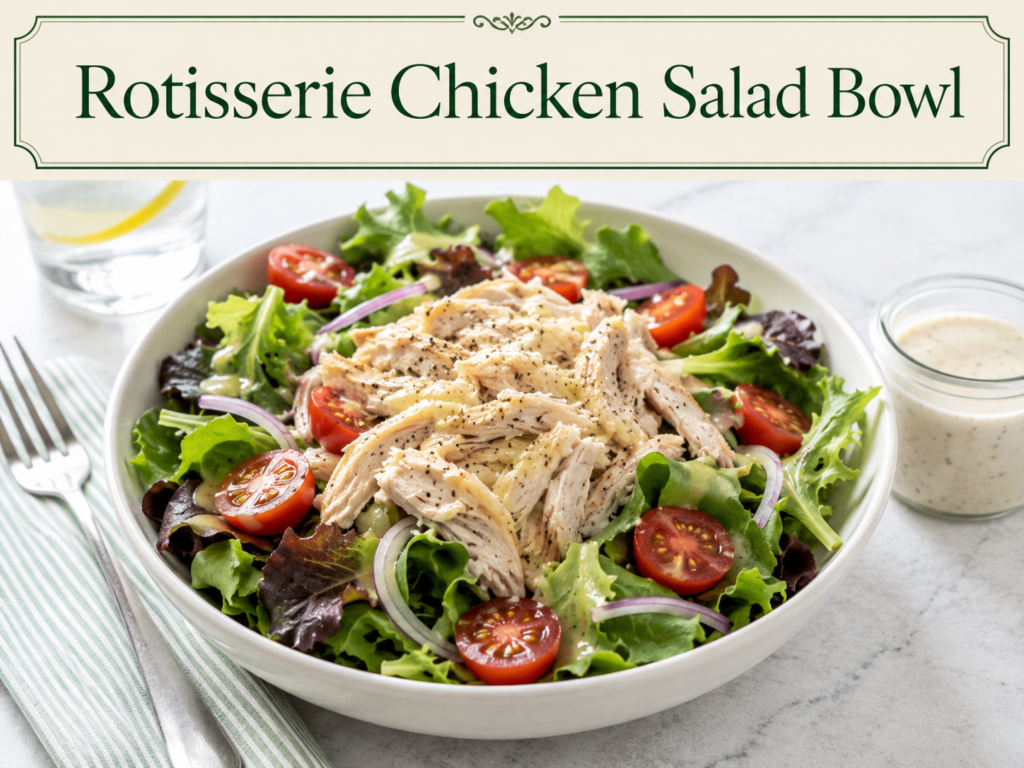
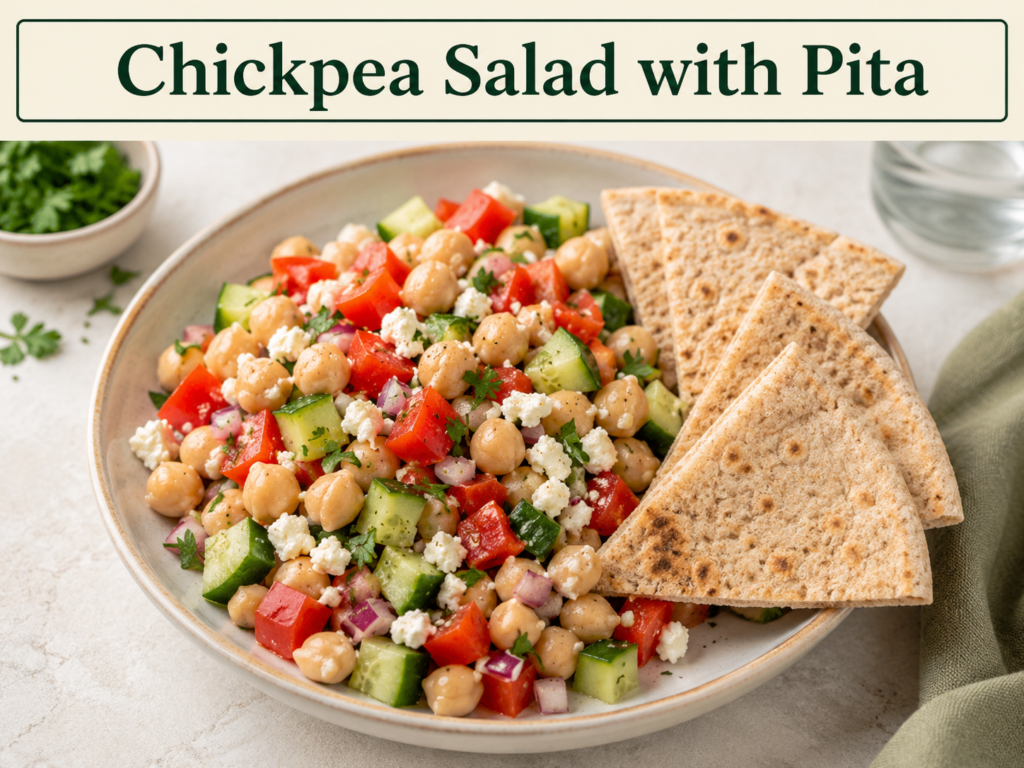
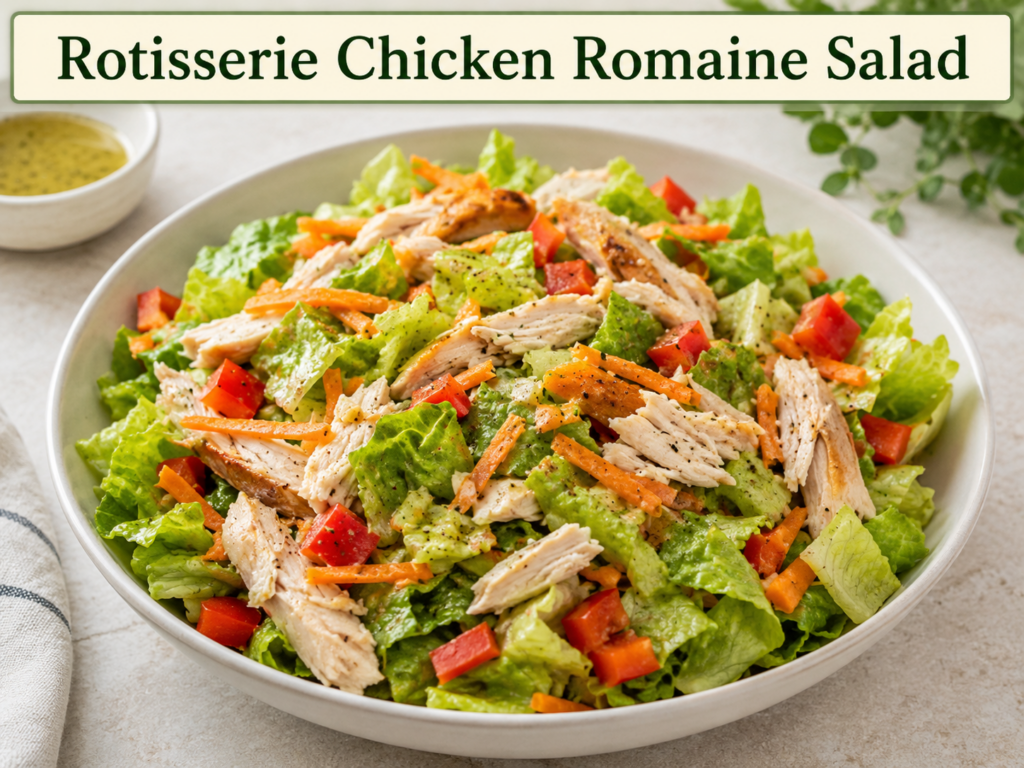
• Salad base: Mixed greens + beans + olive oil dressing + whole grain roll
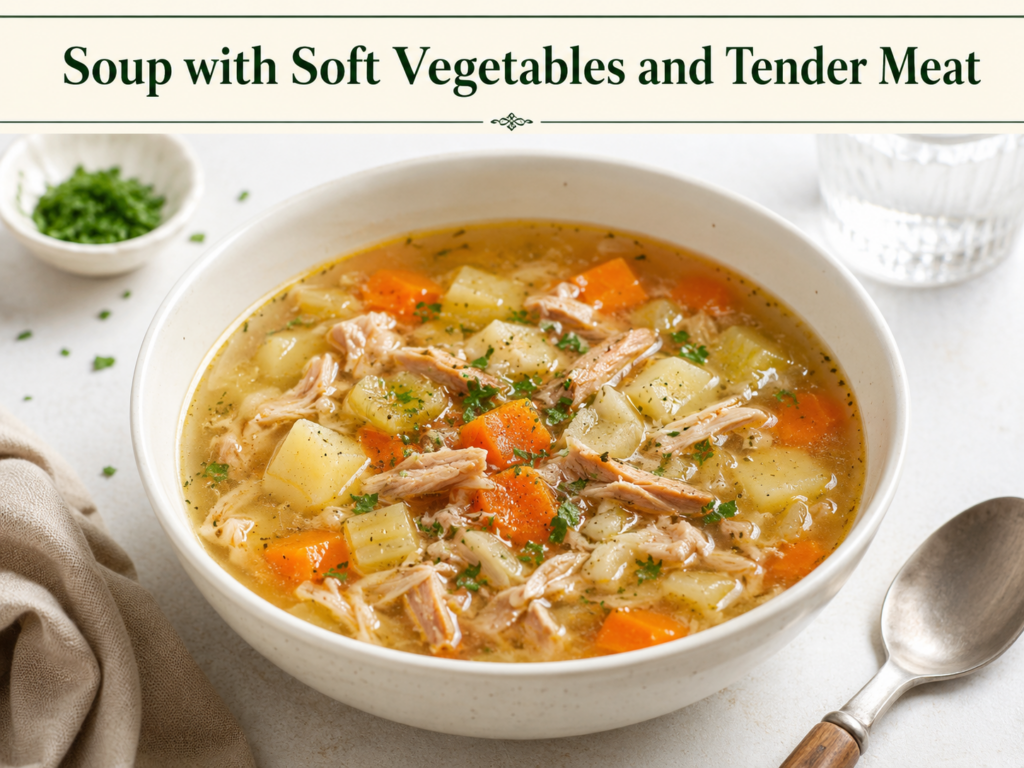
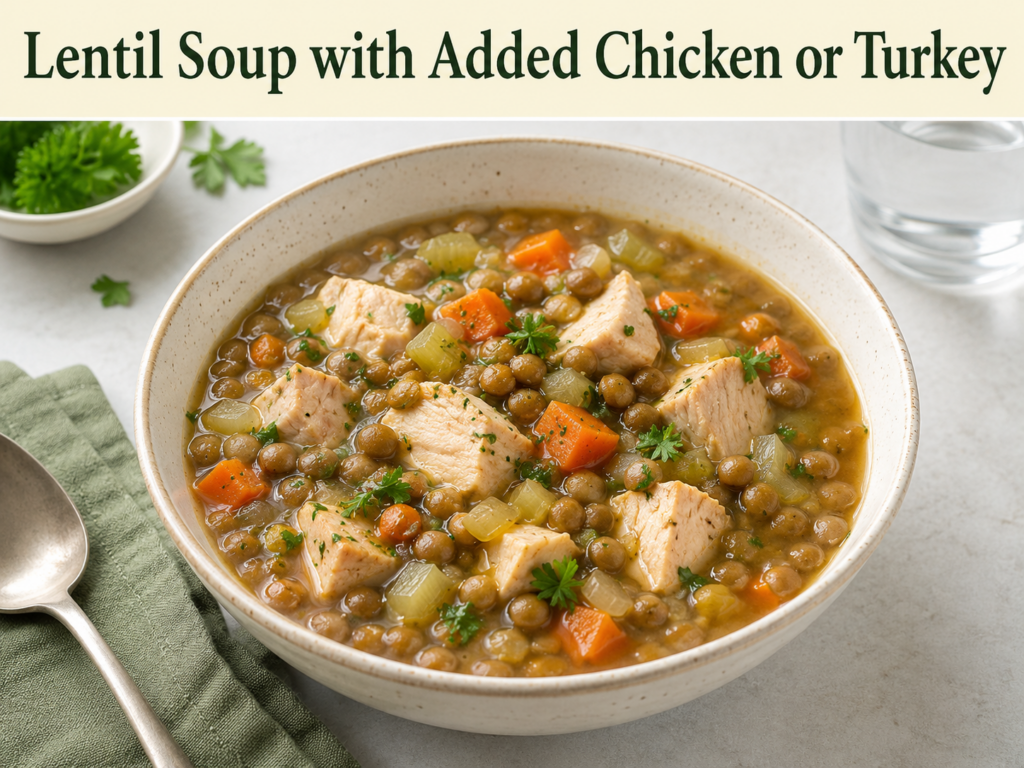
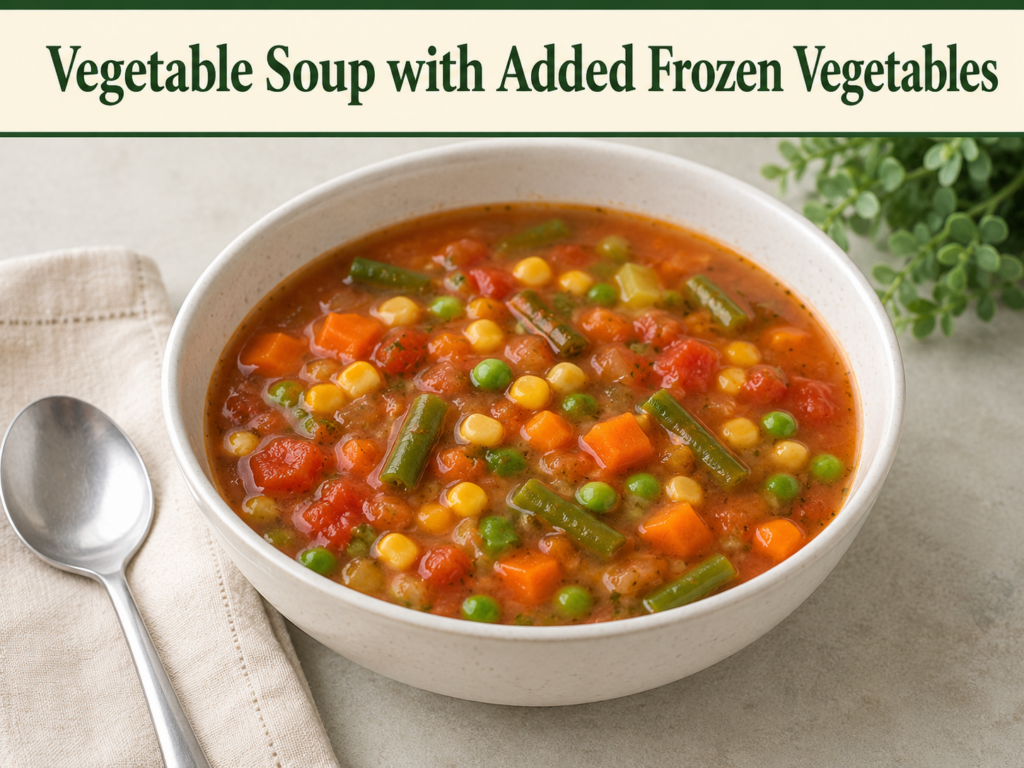
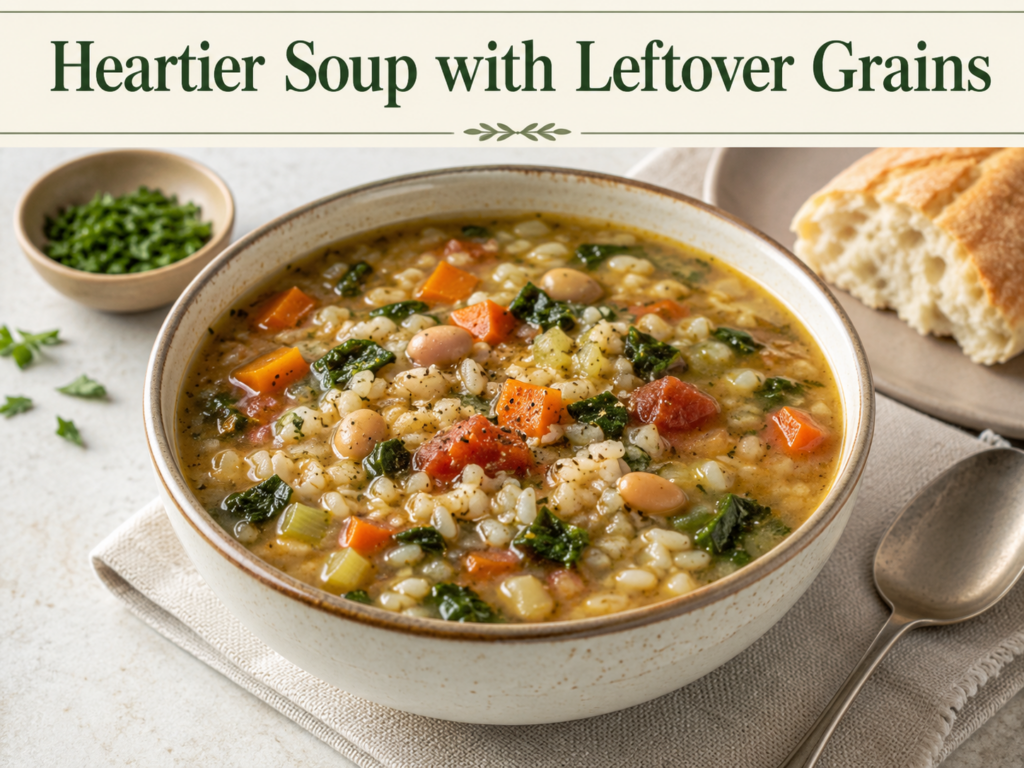
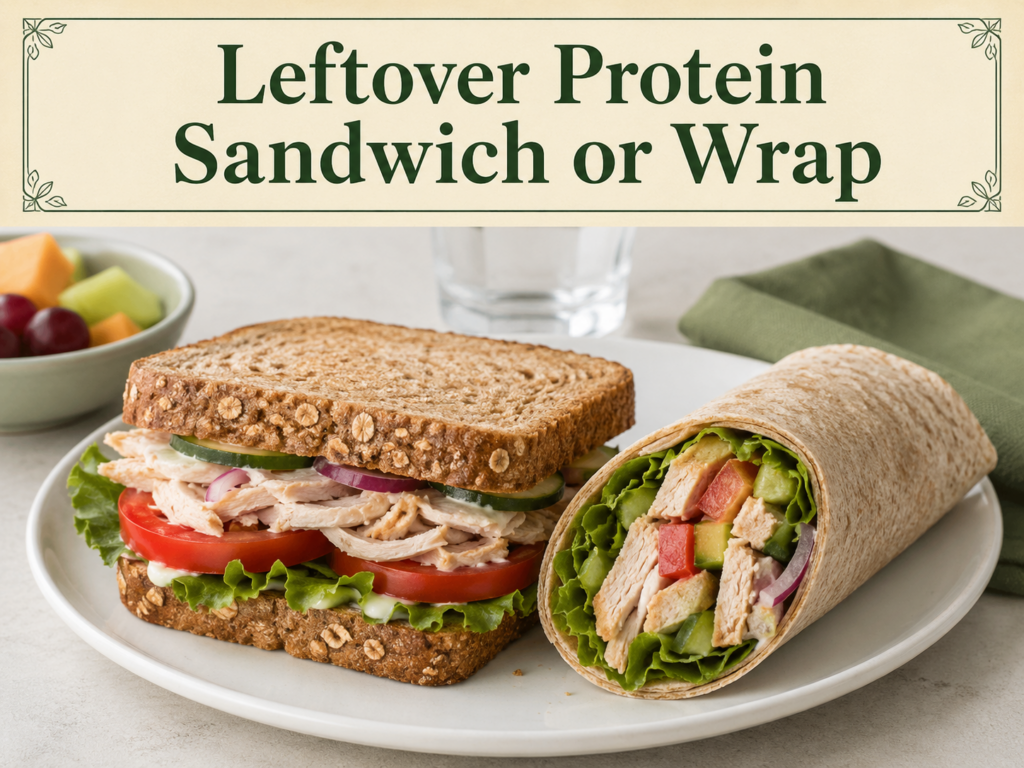
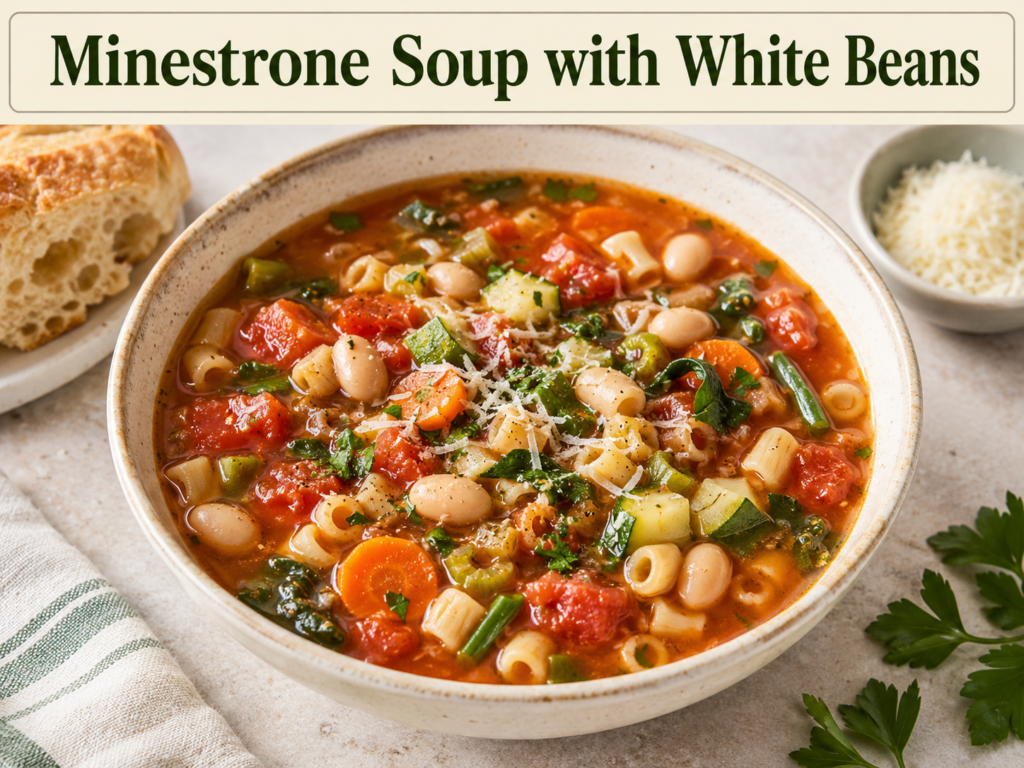
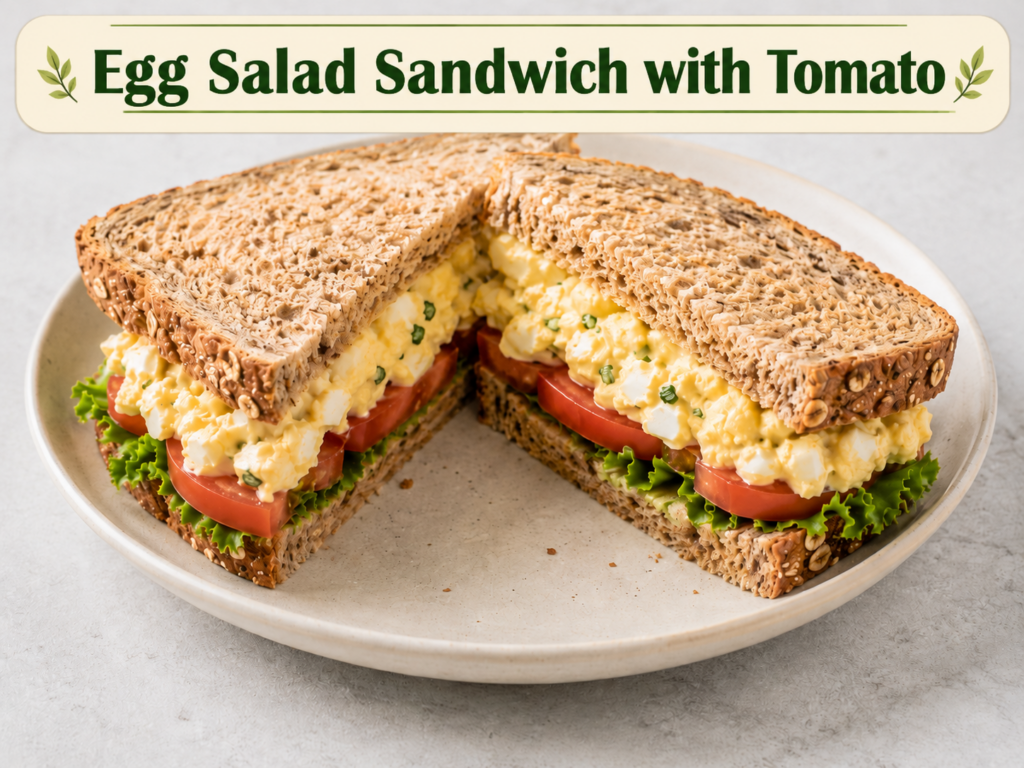
• Soup and sandwich: Vegetable soup + turkey sandwich on whole grain bread
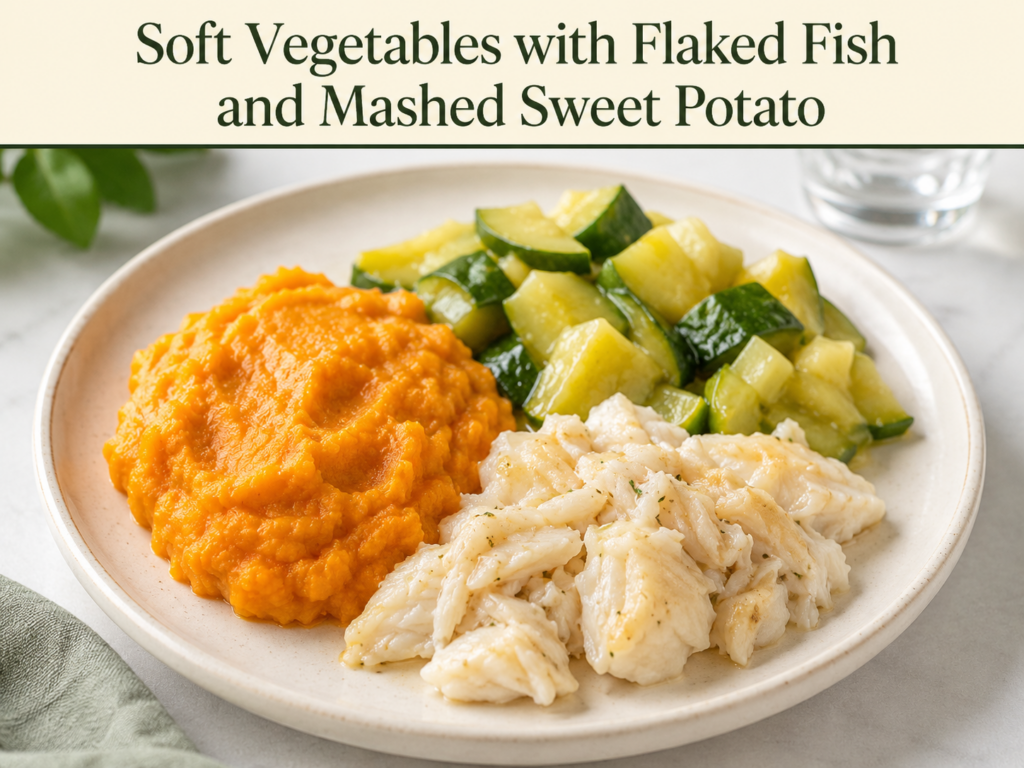
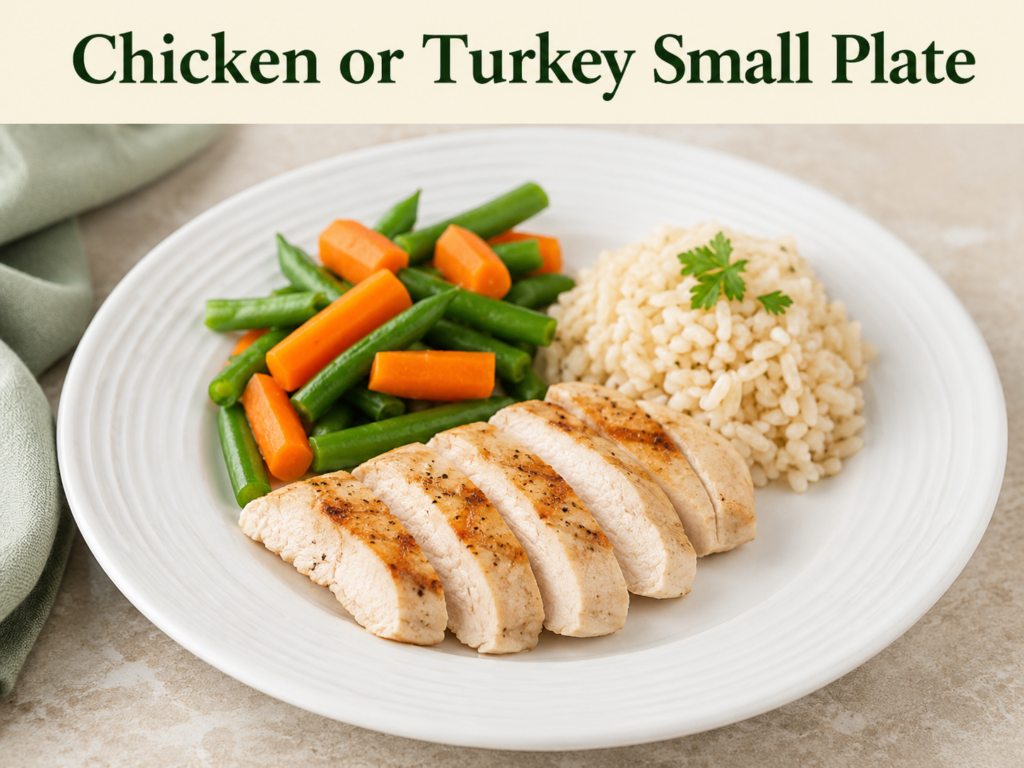
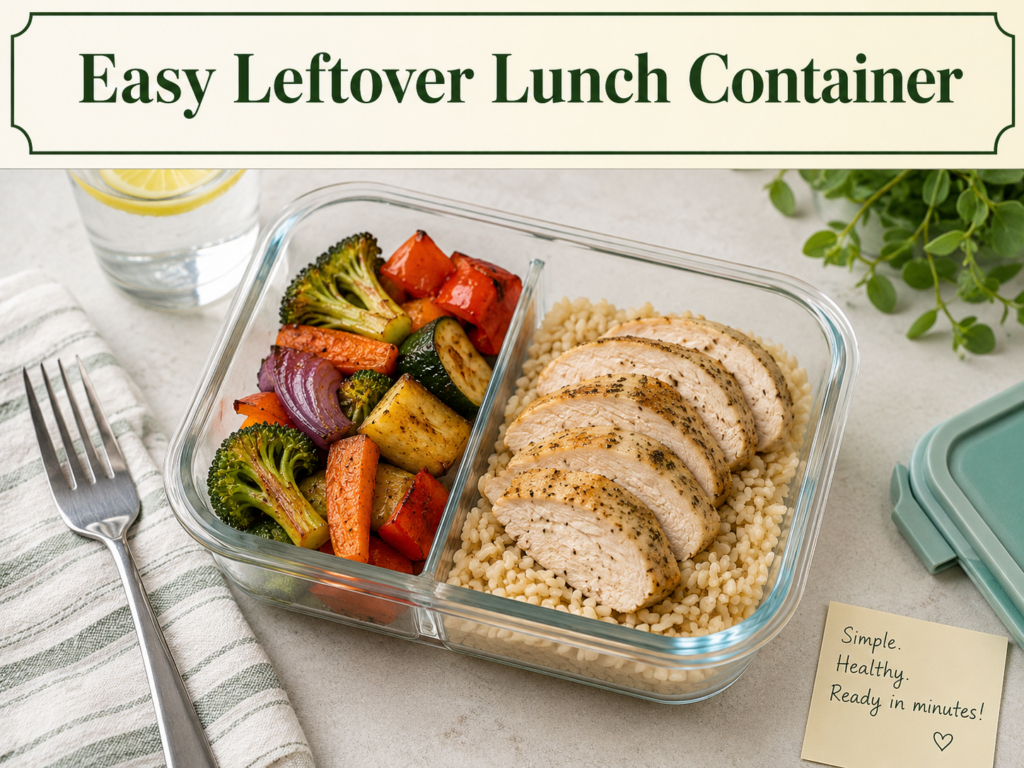
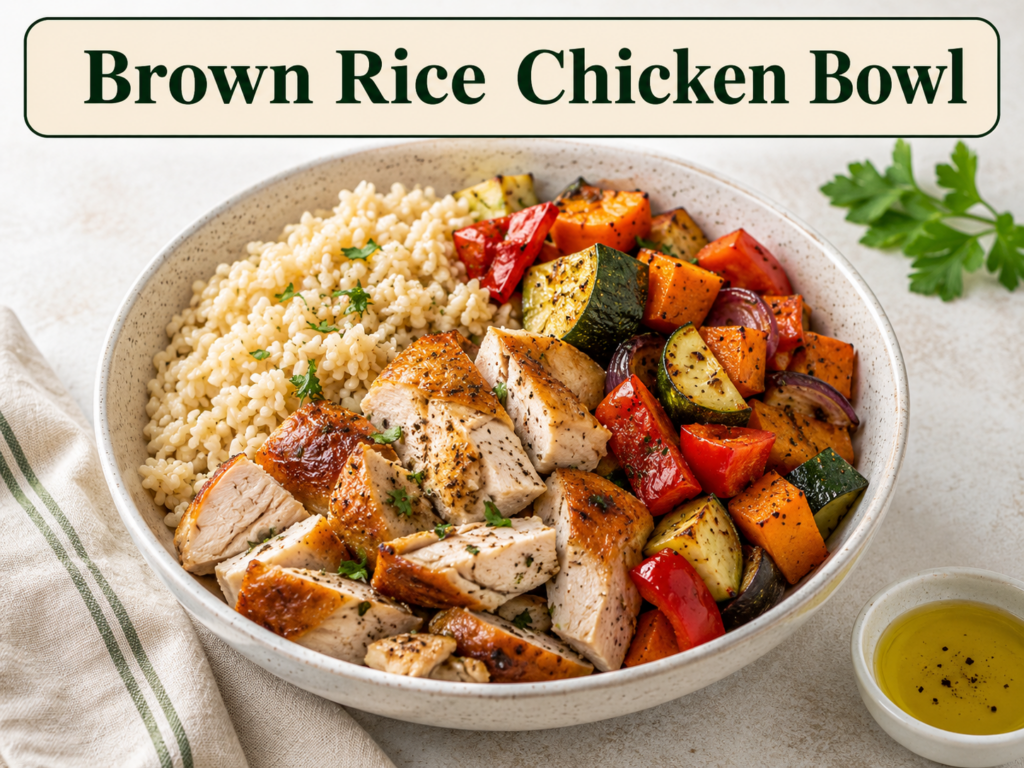
• Simple plate: Baked fish + roasted vegetables + brown rice
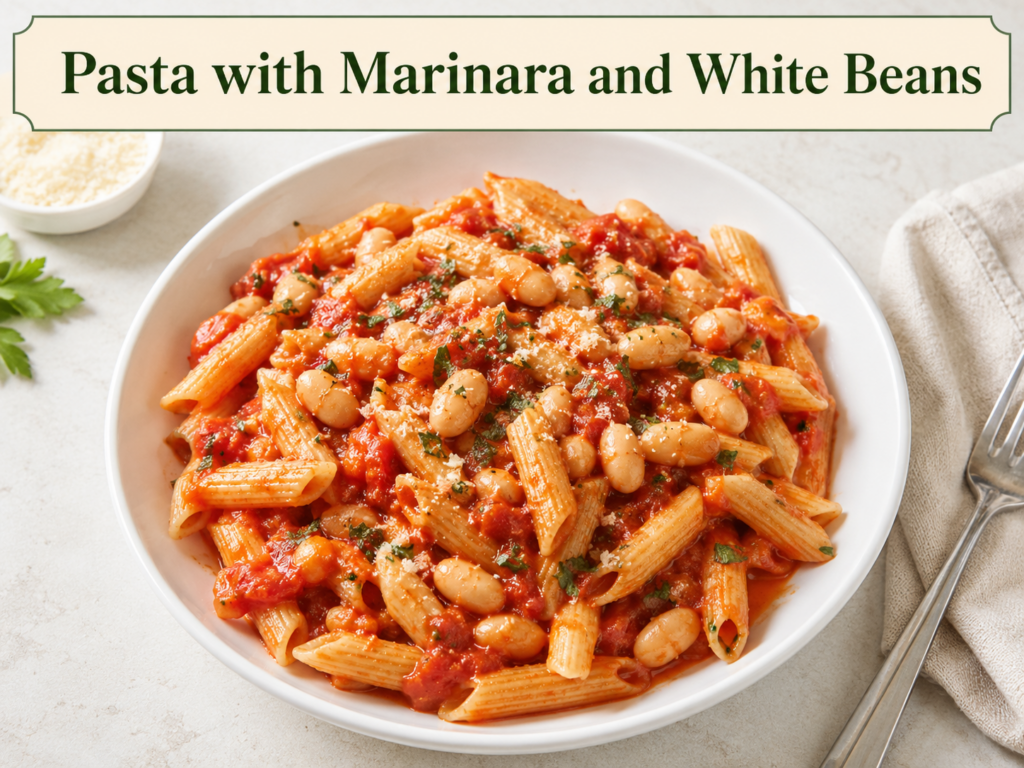
• Pasta night: Whole grain pasta + marinara sauce + side salad
Remember that eating well to support movement and energy connects directly to maintaining strength and independence as we age.
Smart Snacking
Between-meal choices offer opportunities to add heart-supportive foods without feeling deprived.
Nourishing snack options:
• Apple slices with almond butter
• Handful of mixed nuts
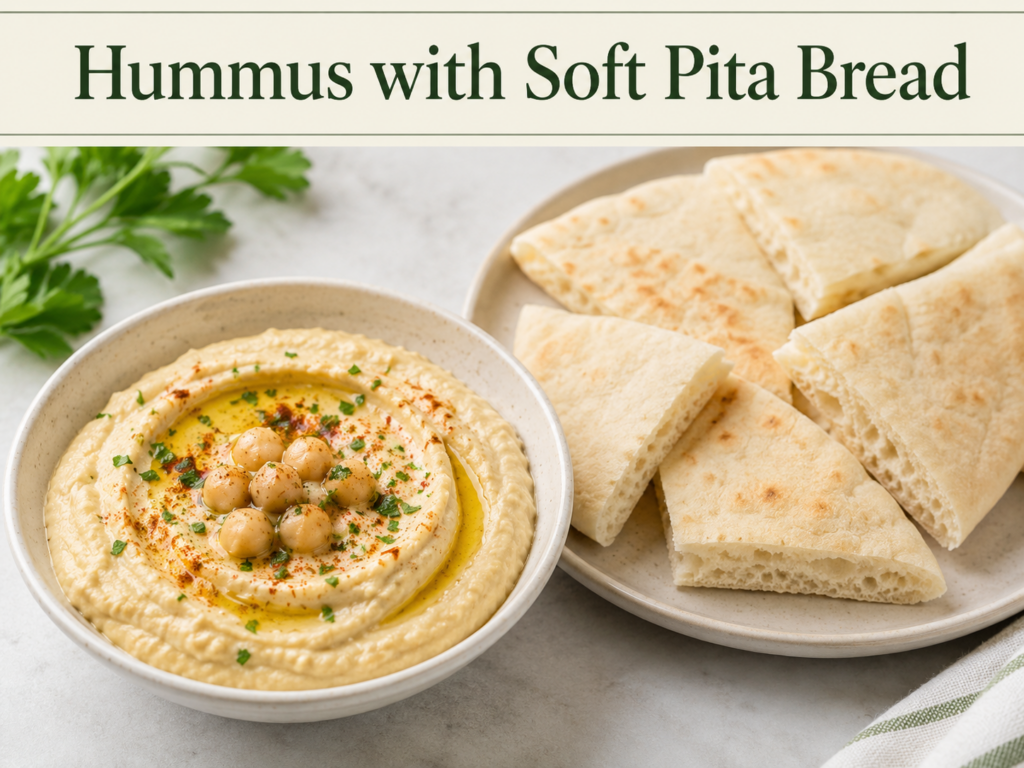
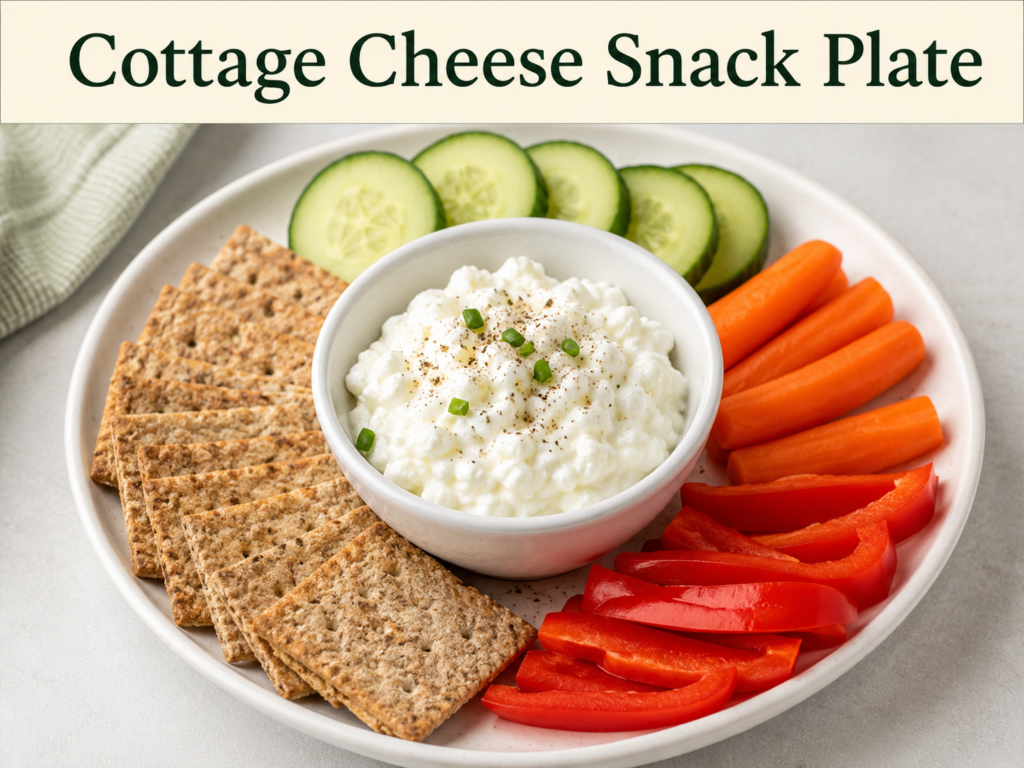
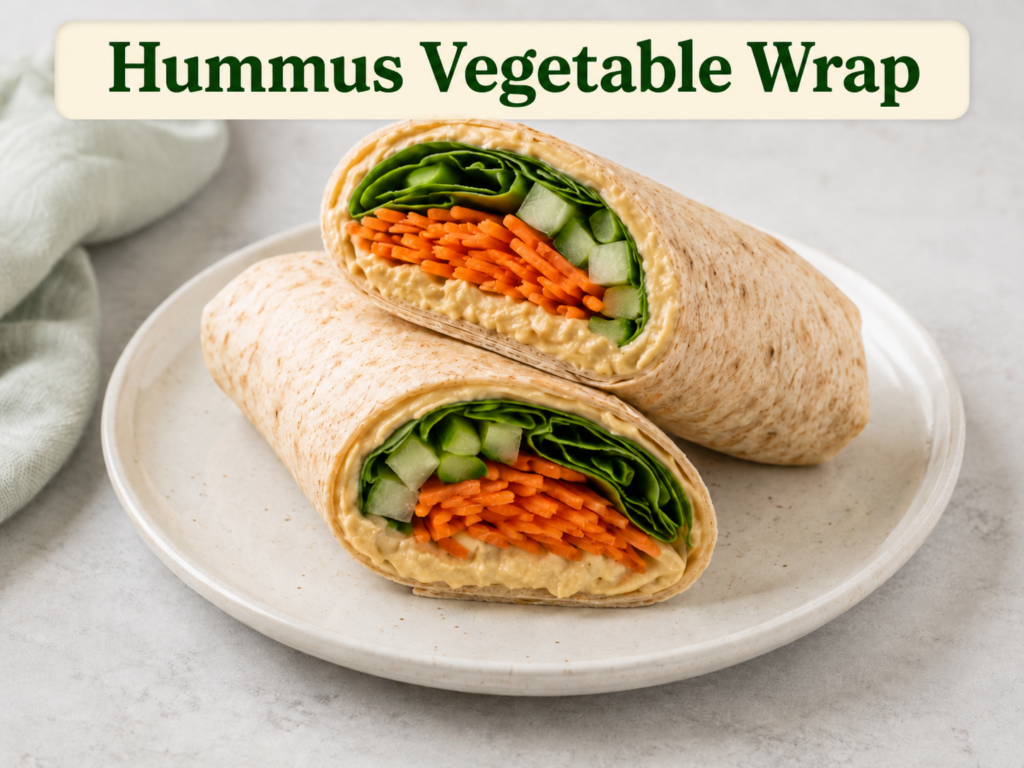
• Hummus with baby carrots
• Greek yogurt with berries
Practical Shopping and Preparation Tips
Shopping Strategies
Grocery shopping becomes easier with a simple plan that focuses on heart-supportive staples.
Weekly shopping list basics:
• Produce: 3-4 favorite fruits and vegetables (fresh, frozen, or canned)
• Proteins: Fish, beans, eggs, lean poultry
• Grains: Oats, brown rice, whole grain bread
• Healthy fats: Olive oil, nuts, avocados
Budget-friendly tip: Canned beans, frozen vegetables, and seasonal produce offer excellent nutrition at lower costs.
Meal Preparation Made Simple
Preparation strategies reduce daily cooking stress while ensuring heart-healthy options stay available.
Weekly prep ideas:
• Wash and chop vegetables when you get home from shopping
• Cook a large batch of brown rice or quinoa for the week
• Keep hard-boiled eggs ready for quick protein
• Prepare simple salad dressings with olive oil and vinegar
This approach supports staying strong and independent as you age by reducing the daily energy required for meal preparation.
Making Heart Healthy Foods For Seniors Work Long-Term

Start Small, Build Gradually
Sustainable changes happen one step at a time. Choose one area to focus on for a week or two before adding another change.
Week-by-week approach:
• Week 1: Add berries to breakfast
• Week 2: Include a salad with lunch
• Week 3: Switch to olive oil for cooking
• Week 4: Try fish twice this week
Focus on Addition, Not Elimination
Adding beneficial foods feels more positive than restricting favorite items. This approach creates lasting habits without feelings of deprivation.
Addition strategy:
• Add vegetables to existing meals rather than eliminating other foods
• Include nuts as snacks alongside current options
• Try new whole grains while keeping some familiar choices
Work with Your Energy Levels
Realistic expectations acknowledge that energy and motivation fluctuate. Plan easier options for lower-energy days.
Energy-matched choices:
• High energy days: Try new recipes or prep vegetables
• Medium energy days: Use frozen vegetables and simple preparations
• Low energy days: Choose canned soups, pre-made salads, or simple sandwiches
This flexibility supports the simple daily habits that make healthy aging sustainable over time.
Conclusion
Heart healthy foods for seniors work best when they fit naturally into existing routines and preferences. The goal isn’t perfection—it’s consistency with choices that support cardiovascular health while remaining enjoyable and manageable.
Your next steps:
- Choose one change from this guide to try this week
- Stock your kitchen with 2-3 heart-supportive staples you’ll actually use
- Plan simple meals that combine vegetables, whole grains, and healthy fats
- Be patient with yourself as new habits develop
Remember that small, consistent choices create meaningful change over time. Every heart-healthy meal supports your journey toward aging well and maintaining independence. For more guidance on building sustainable health habits, visit The Healthy Aging Guide for practical resources designed specifically for adults focused on staying strong and mobile as they age.
This article is part of our Senior Meal Planning and Food Choices series.