Healthy lunches for seniors provide the midday fuel needed to maintain energy, strength, and independence without requiring complicated preparation or hard-to-find ingredients. A balanced lunch supports daily activities, helps maintain muscle, and keeps energy steady through the afternoon. This guide focuses specifically on practical lunch options that are easy to prepare, easy to eat, and built around simple components most people already keep on hand.
Key Takeaways
- Build lunches using four basic components: protein, produce, fiber-rich carbohydrate, and healthy fat
- Choose formats that match your energy level: no-cook options, quick assembly meals, or simple reheated leftovers
- Keep staple ingredients stocked to make lunch preparation faster and less demanding
- Smaller portions with higher protein help maintain muscle and manage appetite changes
- Softer textures and easy-to-chew options provide alternatives without sacrificing nutrition
What Is a Good Lunch for Seniors?
A good lunch for seniors combines protein, produce, a fiber-rich carbohydrate, and a small amount of healthy fat. This type of balanced meal can help support steady energy, muscle maintenance, digestion, and overall nutrition throughout the afternoon.
Simple healthy lunch ideas include:
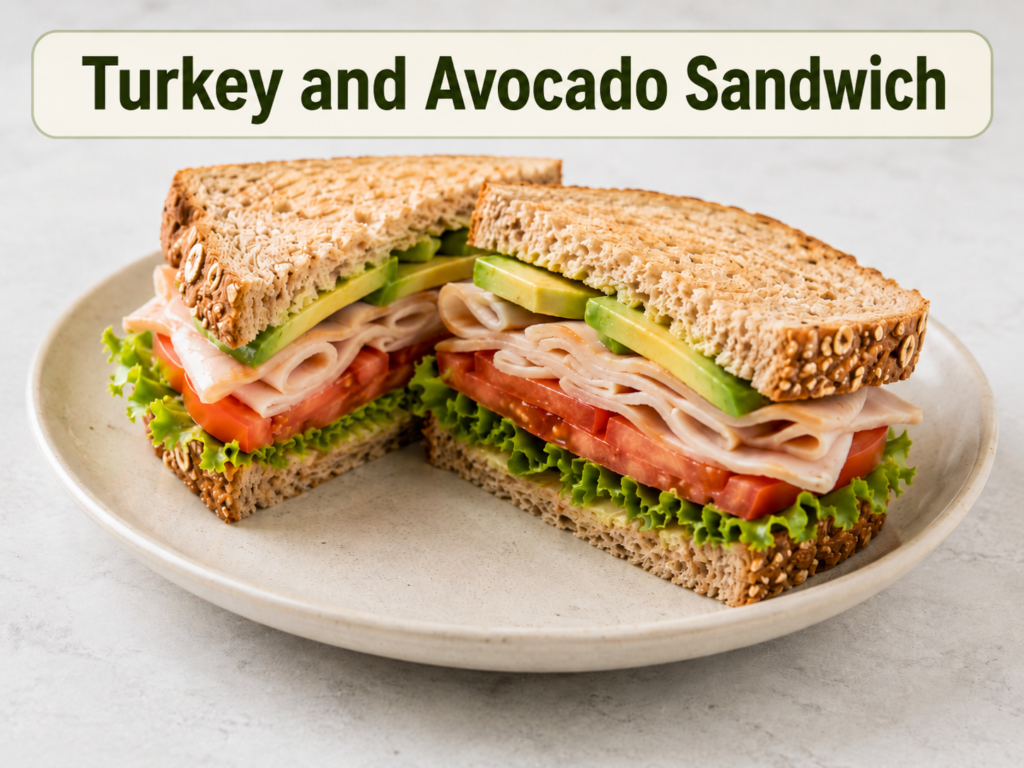
- Turkey and avocado on whole grain bread with lettuce and tomato
- Tuna salad with whole wheat crackers and sliced vegetables
- Chicken and vegetable soup with a side of whole grain bread
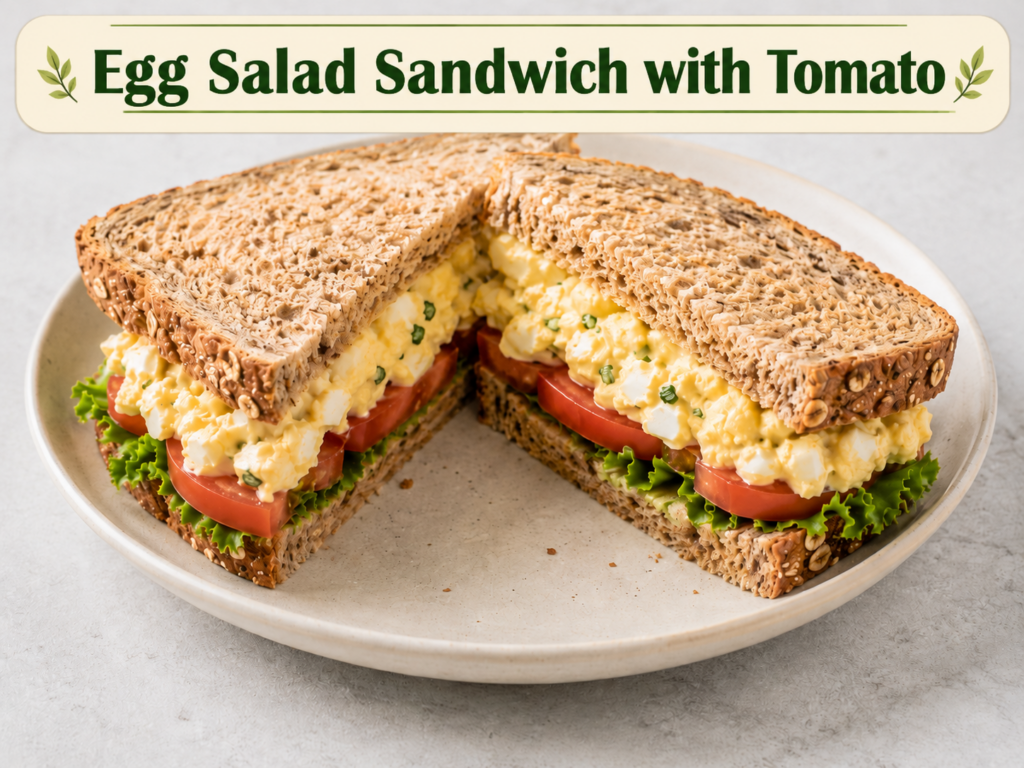
- Egg salad on soft whole wheat bread with fruit
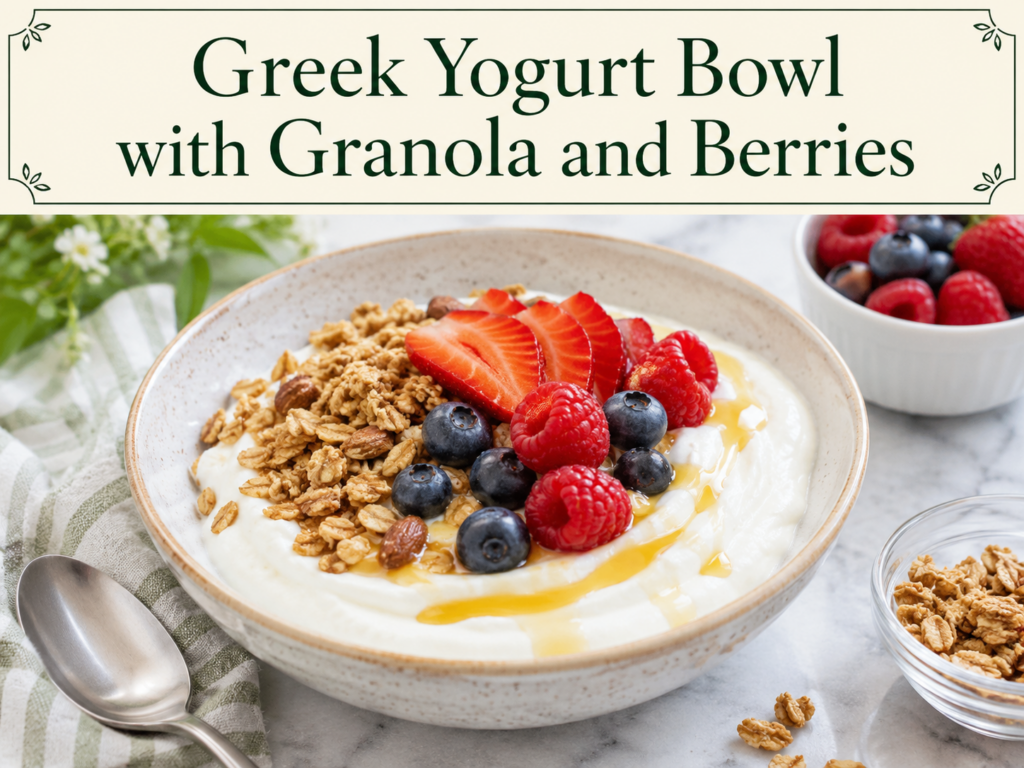
- Greek yogurt with berries, nuts, and granola
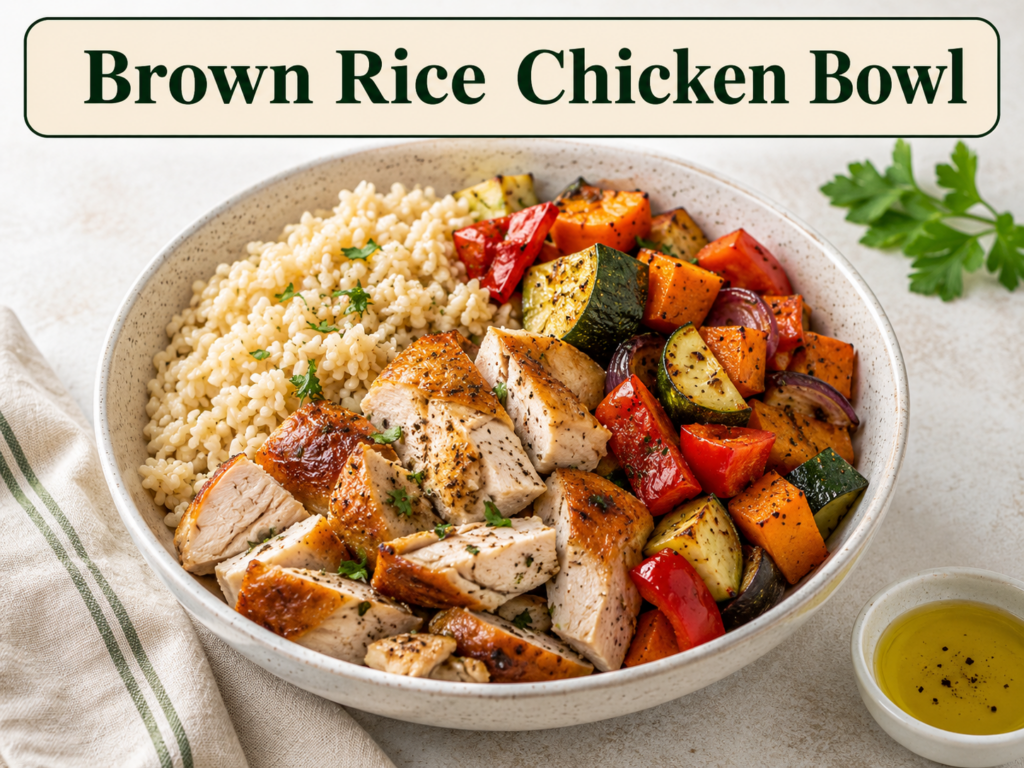
- A grain bowl with chicken, brown rice, and vegetables
- Cottage cheese with fruit and whole grain crackers
- A hummus wrap with cucumber, carrots, and spinach
The best lunch is one that is easy to prepare, comfortable to eat, and includes at least one good source of protein.
See the Simple Lunch Formats for Seniors section below for more sandwich, bowl, salad, soup, and leftover lunch ideas.

What Healthy Lunches Mean for Seniors
A healthy lunch provides balanced nutrition in the middle of the day. This means including protein to support muscle maintenance, vegetables or fruit for vitamins and fiber, a source of whole grains or starchy vegetables for sustained energy, and a small amount of healthy fat to help absorb nutrients and add satisfaction.
The lunch meal often gets skipped or simplified when cooking feels like too much effort. Having a clear framework makes it easier to put together something balanced without needing to follow recipes or measure ingredients precisely.
Basic lunch building blocks include:
- Protein: chicken, turkey, eggs, tuna, salmon, beans, tofu, cottage cheese
- Produce: leafy greens, tomatoes, cucumbers, bell peppers, carrots, berries, apple slices
- Fiber carbohydrate: whole grain bread, brown rice, quinoa, oats, sweet potato, whole wheat pasta
- Healthy fat: avocado, olive oil, nuts, seeds, olives
These components can be mixed and matched based on what’s available and what sounds appealing on any given day.
Why Balanced Lunches Become More Important With Age
Appetite often decreases as we age, which means each meal needs to deliver more nutritional value in smaller portions. Skipping lunch or eating only a snack can lead to low energy in the afternoon, difficulty maintaining muscle mass, and increased hunger later that leads to less balanced evening eating.
Protein needs actually increase slightly after age 50 to help preserve muscle and support recovery from daily activities. Spreading protein across all three meals, including lunch, helps the body use it more effectively than trying to get most of it at dinner.[1]
Fiber from whole grains, vegetables, and legumes supports digestive health and helps manage blood sugar levels, which can become more sensitive with age. Including fiber-rich foods at lunch helps maintain steady energy without afternoon crashes.
For more context on overall eating patterns, see our guide to healthy eating for seniors.
How Lunch Choices Affect Daily Life
What you eat at lunch directly affects how you feel for the rest of the day. A balanced lunch supports:
- Steady afternoon energy without feeling sluggish or needing a nap
- Better concentration for activities, hobbies, or social time
- Maintained strength through adequate protein intake
- Digestive comfort from appropriate fiber and hydration
- Blood sugar stability that prevents energy swings
Lunches that are too heavy can cause drowsiness. Lunches that are too light or unbalanced may leave you hungry an hour later or craving sweets mid-afternoon.
The ease of lunch preparation also matters. If making lunch feels overwhelming, it’s more likely to get skipped. Simple formats that require minimal cooking or assembly make it easier to eat well consistently.
Simple Lunch Formats for Seniors: With Recipes
Sandwiches and Wraps:
Sandwiches and wraps provide an easy format that includes all four building blocks in one handheld meal.

Simple sandwich and wrap ideas:
- Turkey and avocado on whole grain bread with lettuce and tomato View Recipe
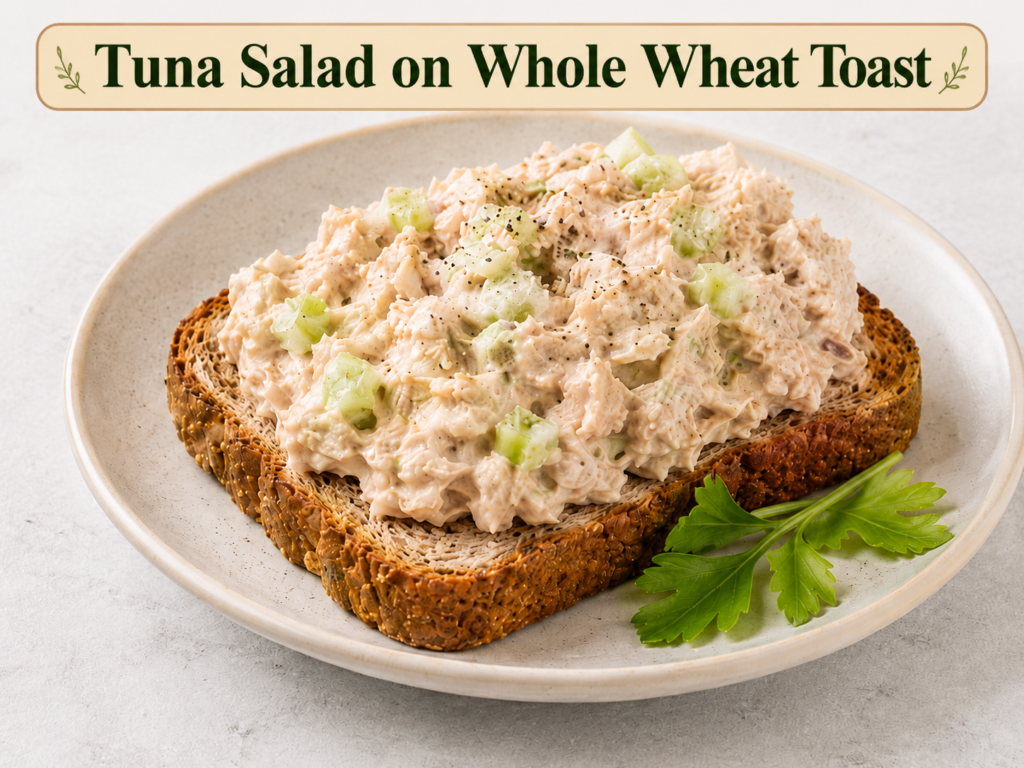
- Tuna salad (canned tuna, light mayo, diced celery) on whole wheat toast View Recipe
- Hummus wrap with shredded carrots, cucumber, and spinach View Recipe
- Egg salad on whole grain bread with sliced tomato View Recipe
- Salmon wrap with mixed greens and a thin spread of cream cheese View Recipe
Wraps can be easier to eat than traditional sandwiches if chewing is difficult. Whole grain tortillas or flatbreads provide fiber while being softer than crusty bread.
For additional meal ideas that work well at lunch, see our collection of simple healthy meals for seniors.
Bowl-Based Lunches:
Bowl meals allow you to combine components without bread, making them naturally gluten-free and easy to customize based on what’s available.

Bowl lunch examples:
- Grain bowl: brown rice, rotisserie chicken, roasted vegetables, drizzle of olive oil View Recipe
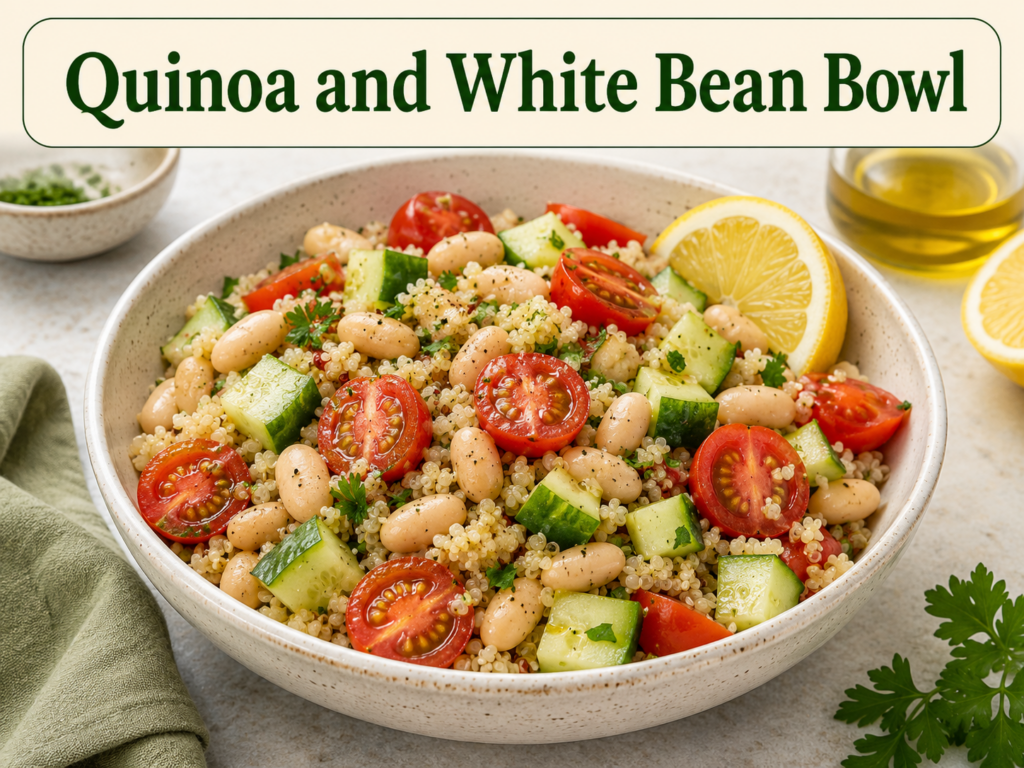
- Quinoa bowl: cooked quinoa, white beans, cherry tomatoes, cucumber, lemon dressing View Recipe
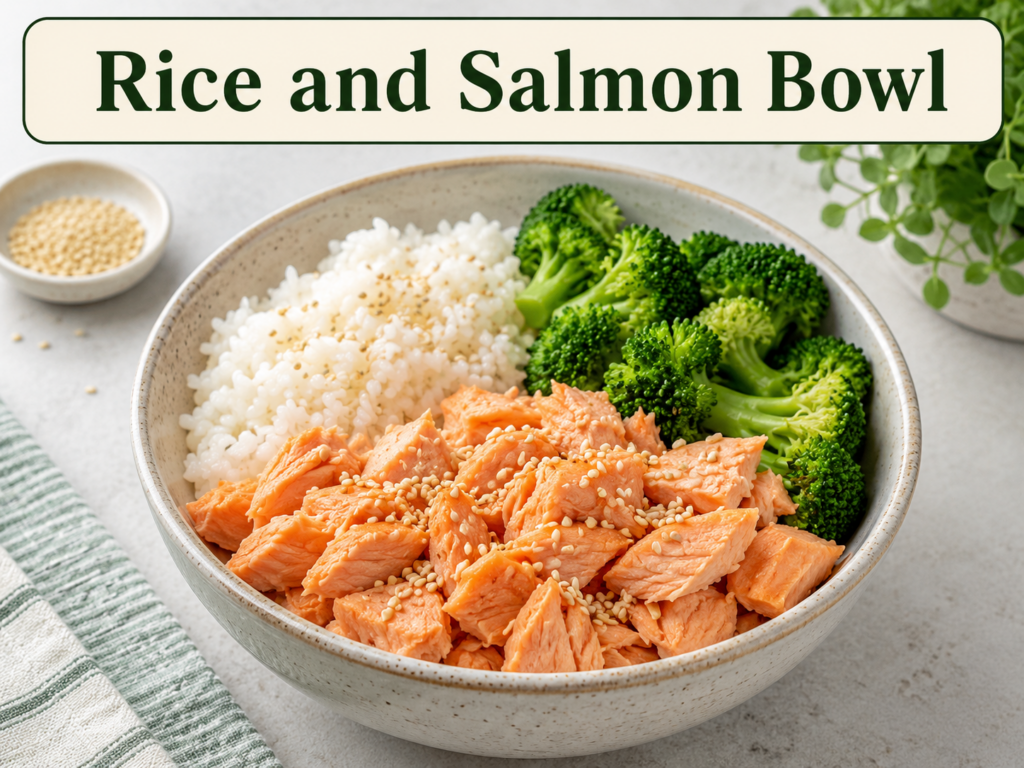
- Rice and salmon: leftover rice, canned salmon, steamed broccoli, sesame seeds View Recipe
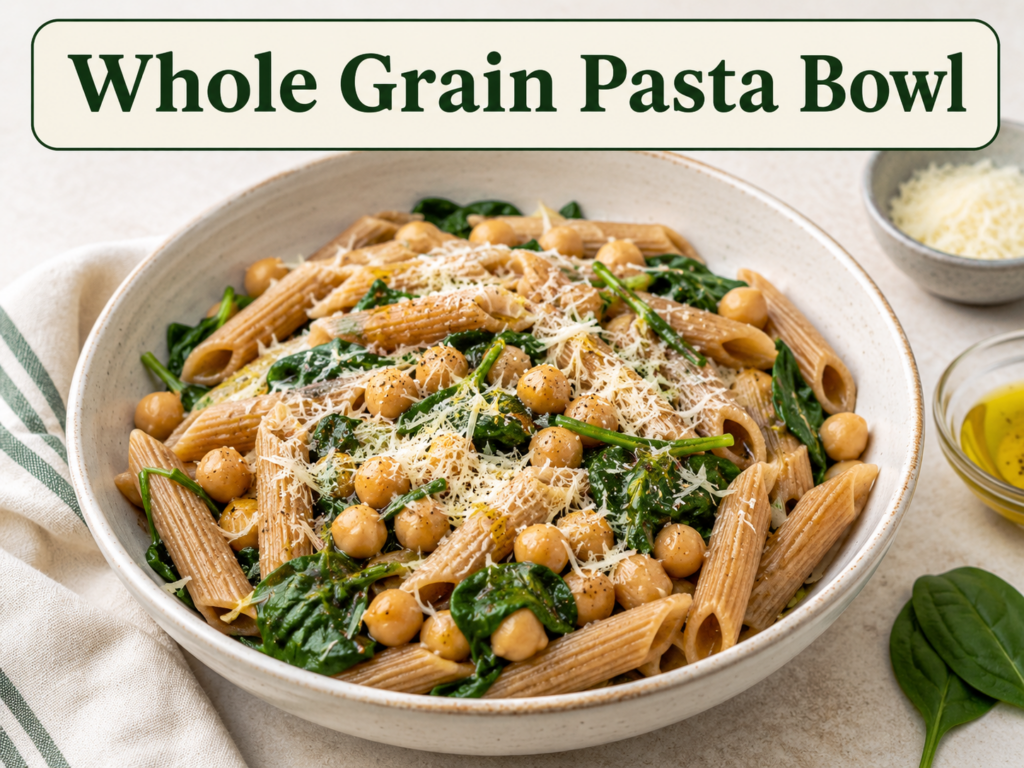
- Pasta bowl: whole grain pasta, chickpeas, sautéed spinach, parmesan cheese View Recipe
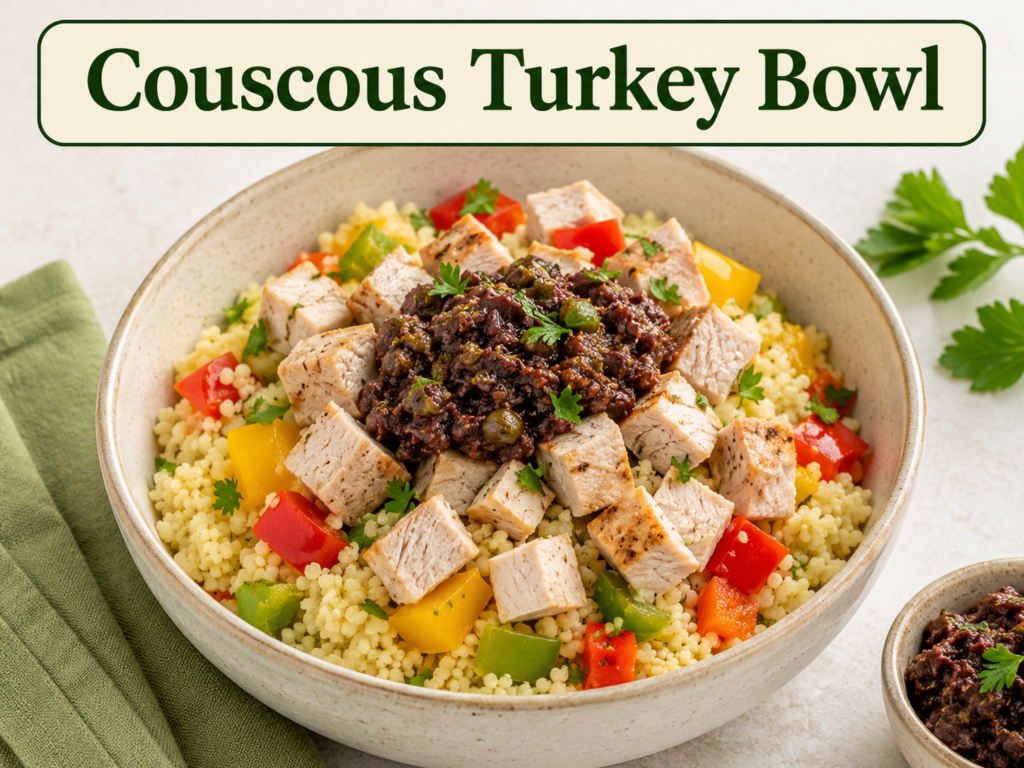
- Couscous bowl: cooked couscous, diced turkey, bell peppers, olive tapenade View Recipe
Bowl meals work well for using leftovers from dinner. Cook extra grains or proteins at dinner and repurpose them for quick lunch assembly the next day.
Salad-Based Lunches:
Salads provide maximum vegetable intake while still including protein and other components for balance.

Balanced salad ideas:
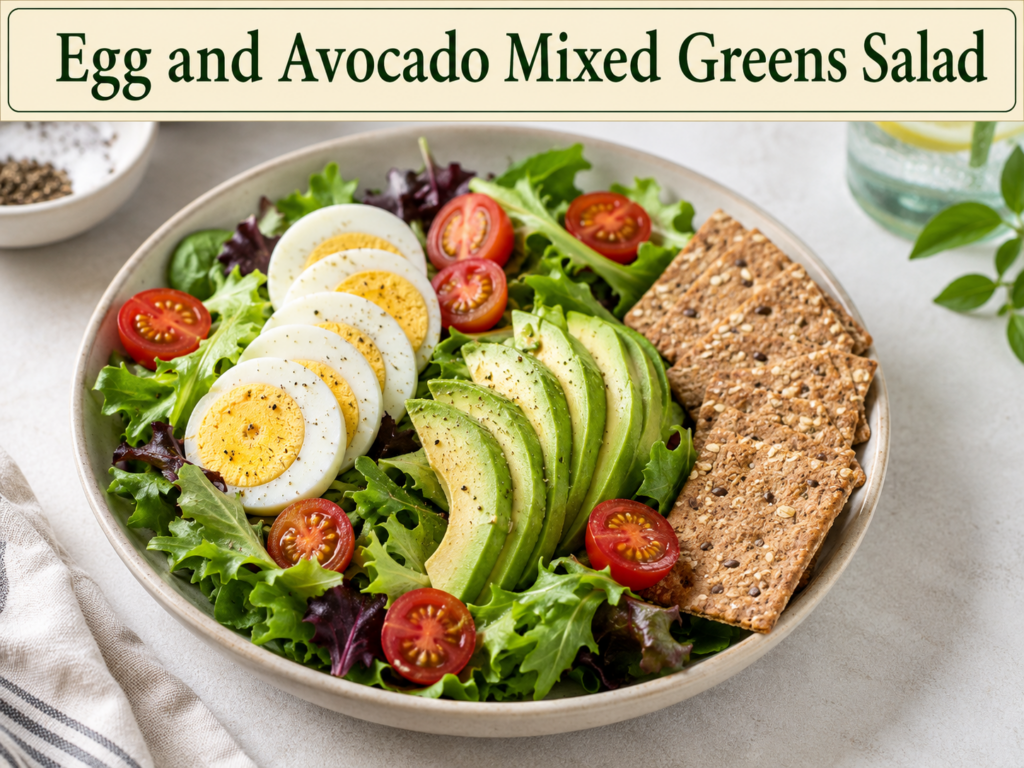
- Mixed greens with hard-boiled egg, avocado slices, cherry tomatoes, whole grain crackers on the side View Recipe
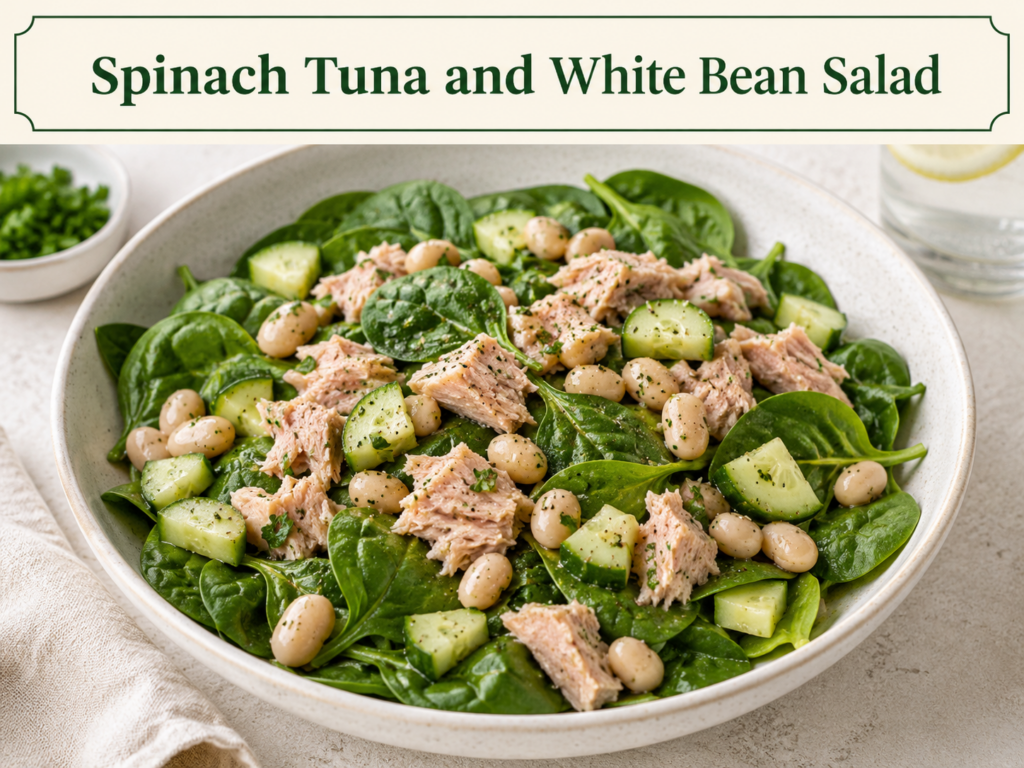
- Spinach salad with canned tuna, white beans, cucumber, olive oil and vinegar View Recipe
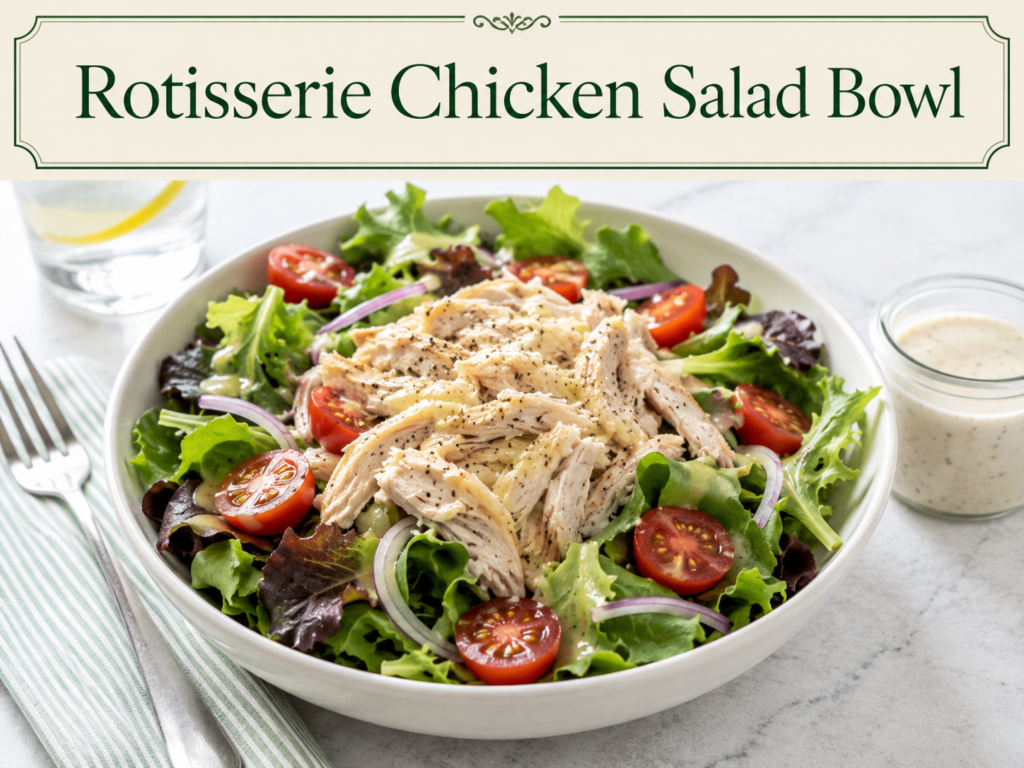
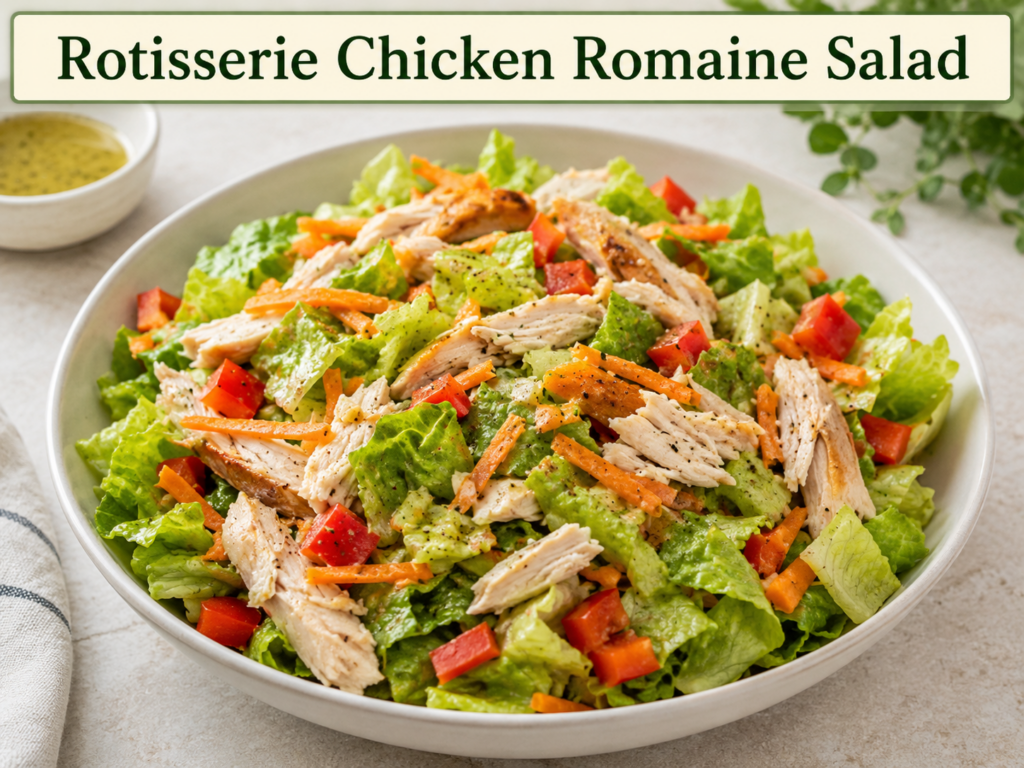
- Chicken salad: rotisserie chicken over romaine, shredded carrot, bell pepper, light dressing View Recipe
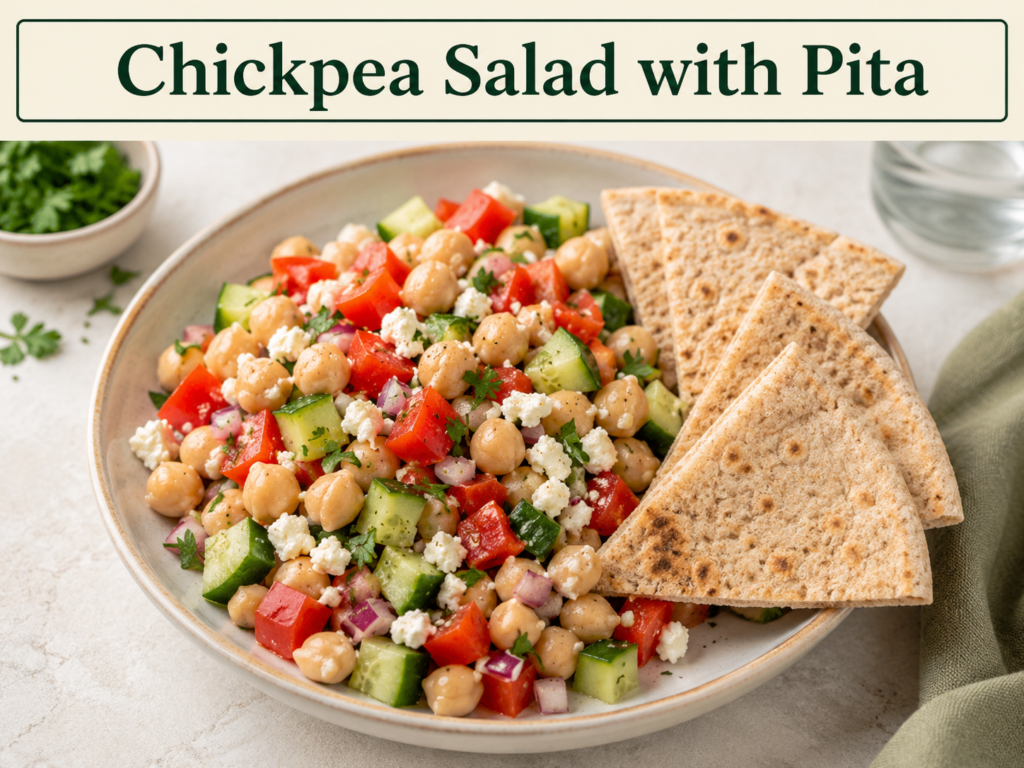
- Chickpea salad: chickpeas, diced vegetables, feta cheese, whole wheat pita View Recipe
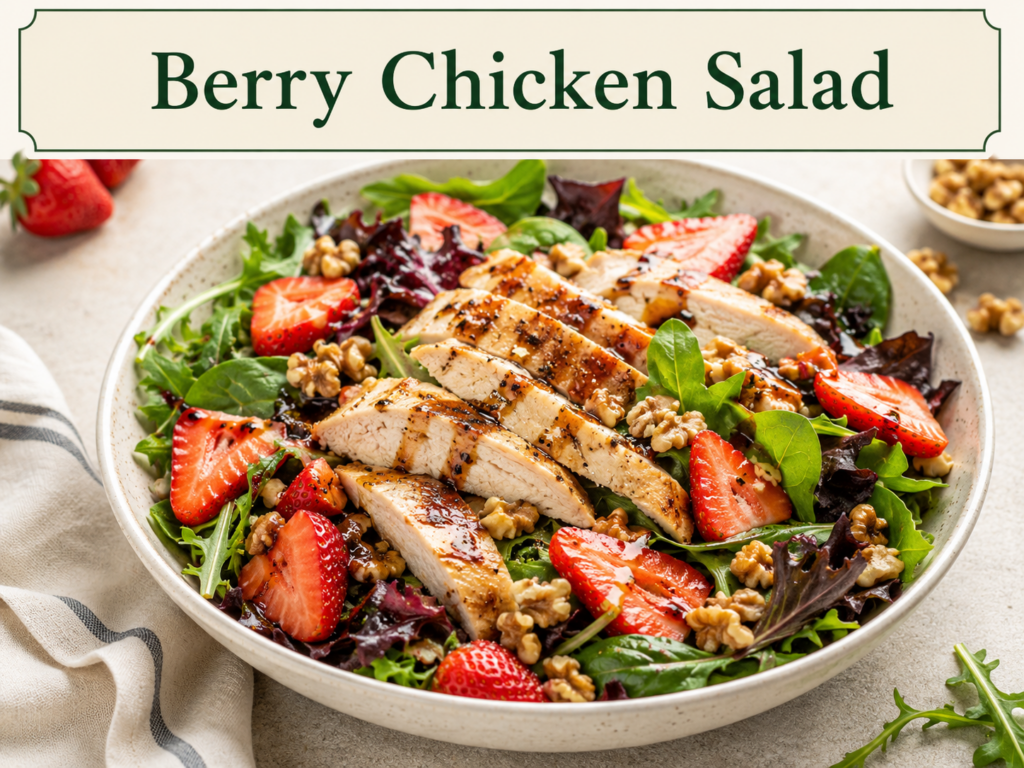
- Berry chicken salad: mixed greens, sliced chicken, strawberries, walnuts, balsamic vinaigrette[3] View Recipe
Adding protein and healthy fat to salads makes them more filling and satisfying. A salad with only vegetables rarely provides enough energy or nutrition for a complete lunch.
Soup-Based Lunches
Soups are easier to digest, provide hydration, and can be prepared in advance or purchased ready-made.

Simple soup lunch options:
- Chicken noodle soup with whole grain crackers and cheese View Recipe
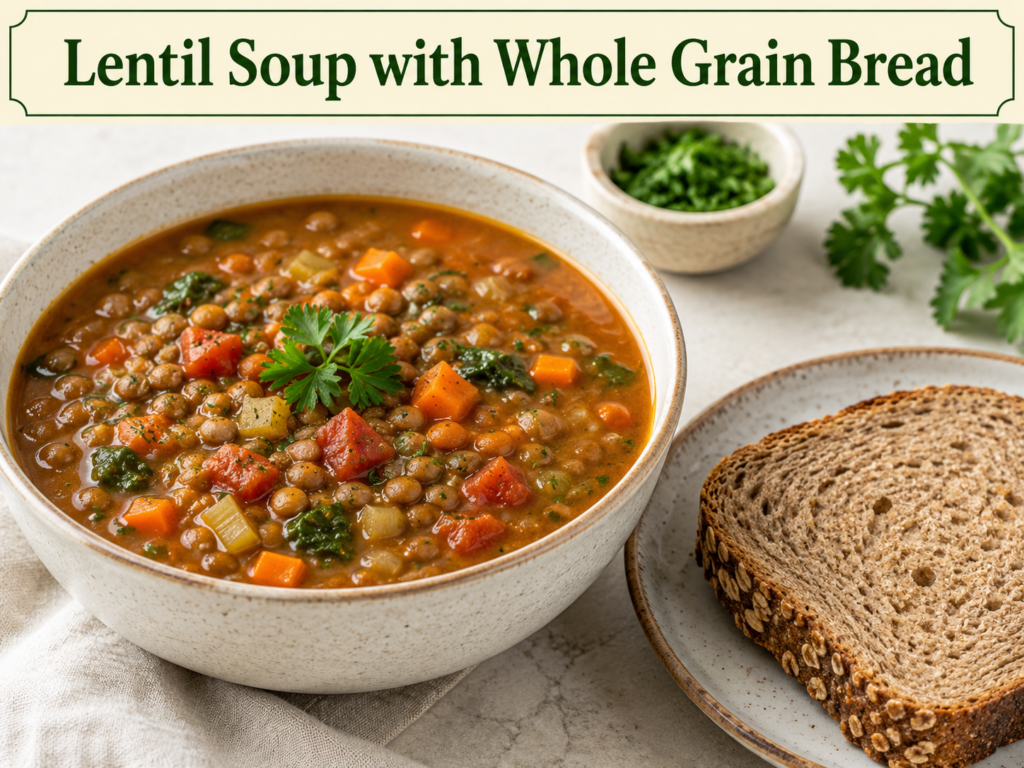
- Lentil soup with a side of whole grain bread View Recipe
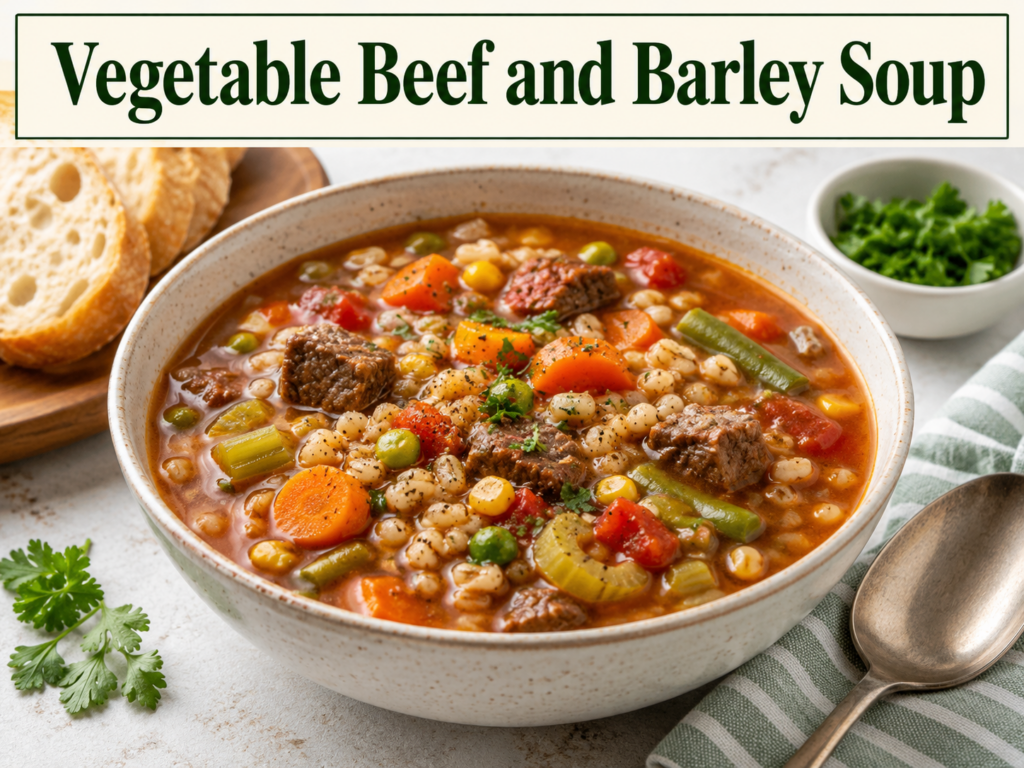
- Vegetable beef and barley soup[3] View Recipe
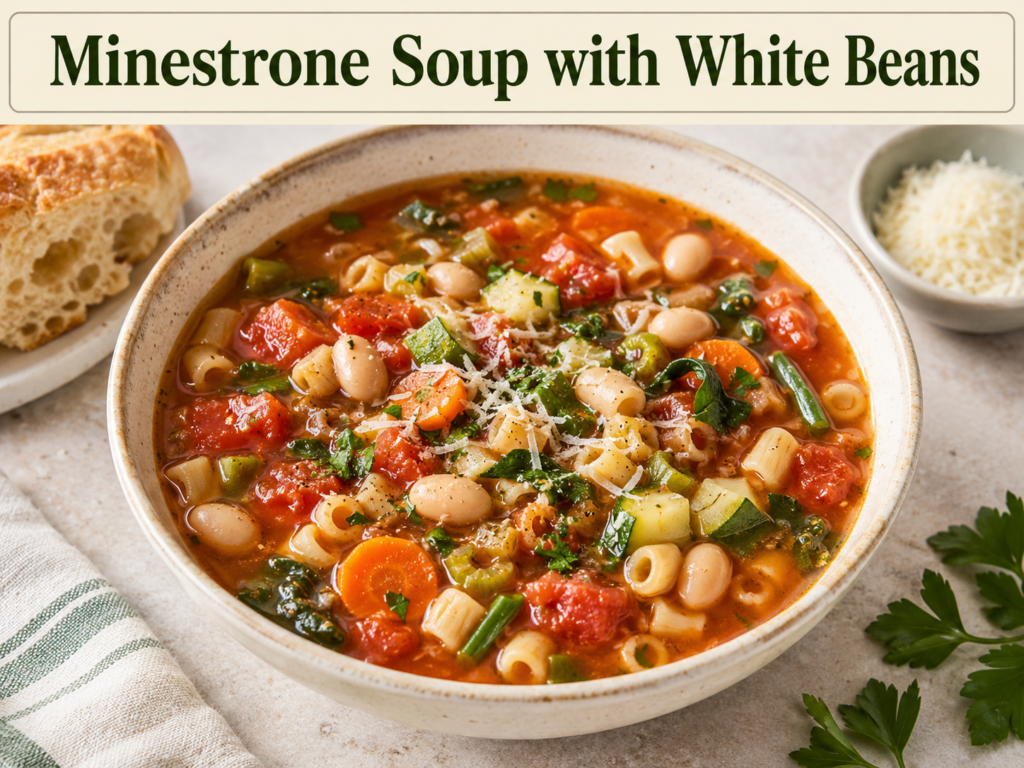
- Minestrone soup with white beans View Recipe
- Tomato soup with a grilled cheese sandwich on whole wheat bread View Recipe
Homemade soups can be frozen in individual portions for quick reheating. Store-bought soups work well when choosing lower-sodium versions and adding extra vegetables or protein if needed.
For seniors managing texture needs, see our guide to soft food options that maintain nutrition.
Leftover-Based Lunches:
Using dinner leftovers eliminates cooking at lunchtime while ensuring balanced nutrition.

Leftover lunch strategies:
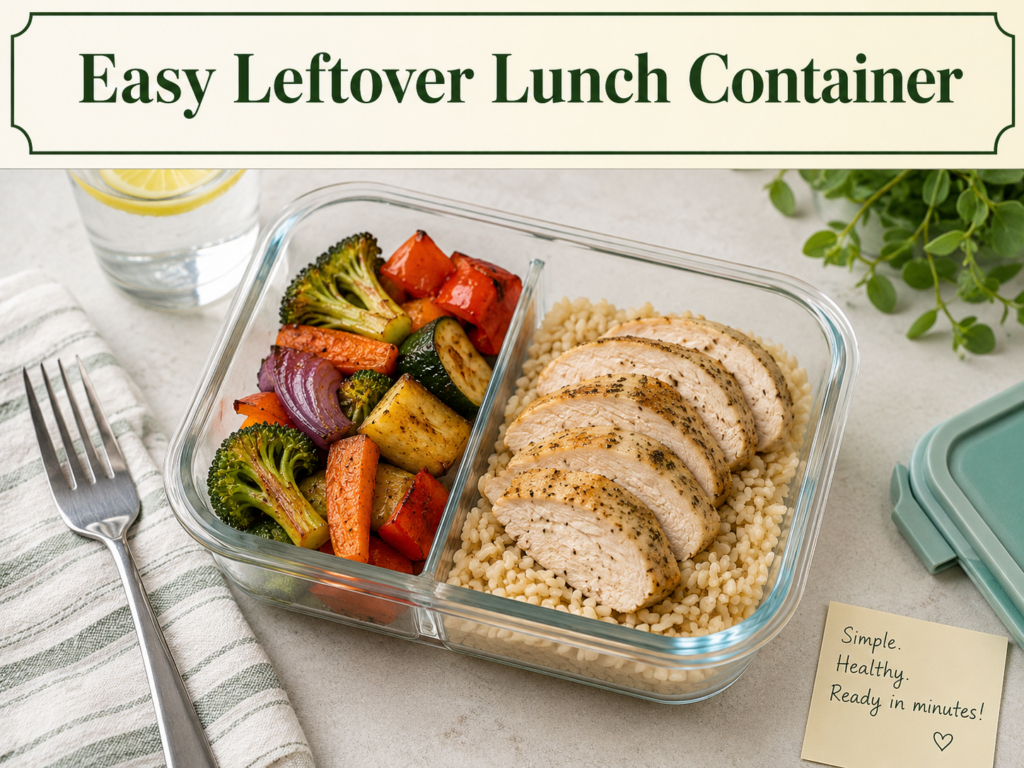
- Portion dinner into lunch containers while cleaning up from dinner View Recipe
- Reheat leftover protein with fresh vegetables and a grain View Recipe
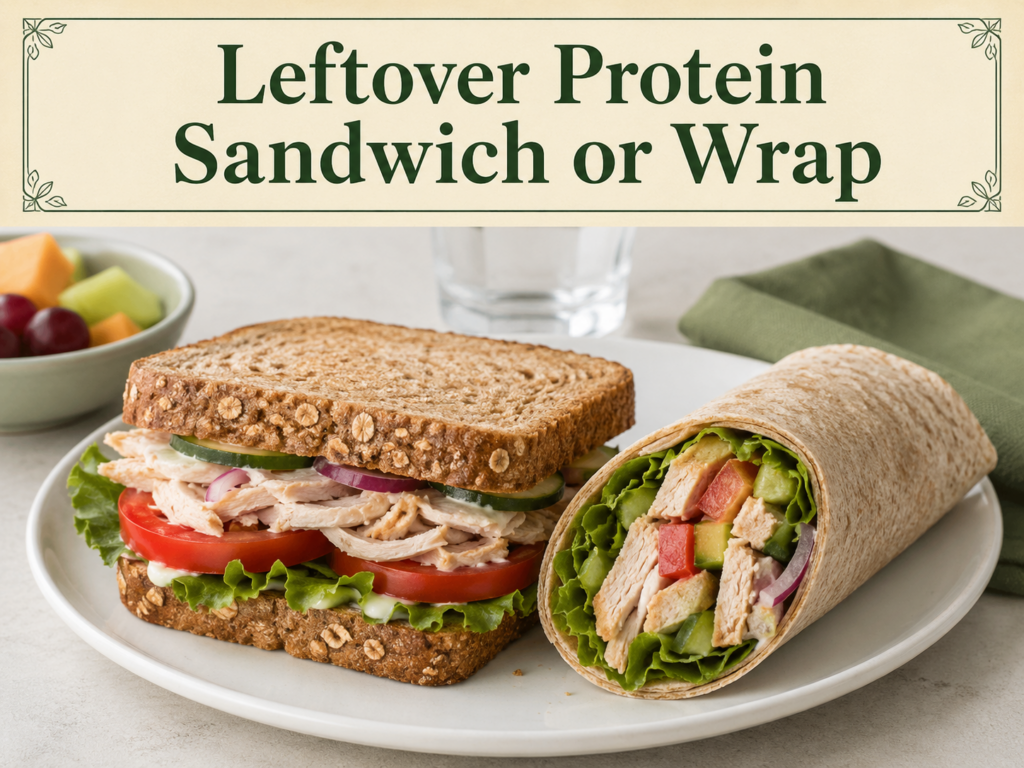
- Transform dinner proteins into sandwich fillings (sliced chicken, meatballs, etc.) View Recipe
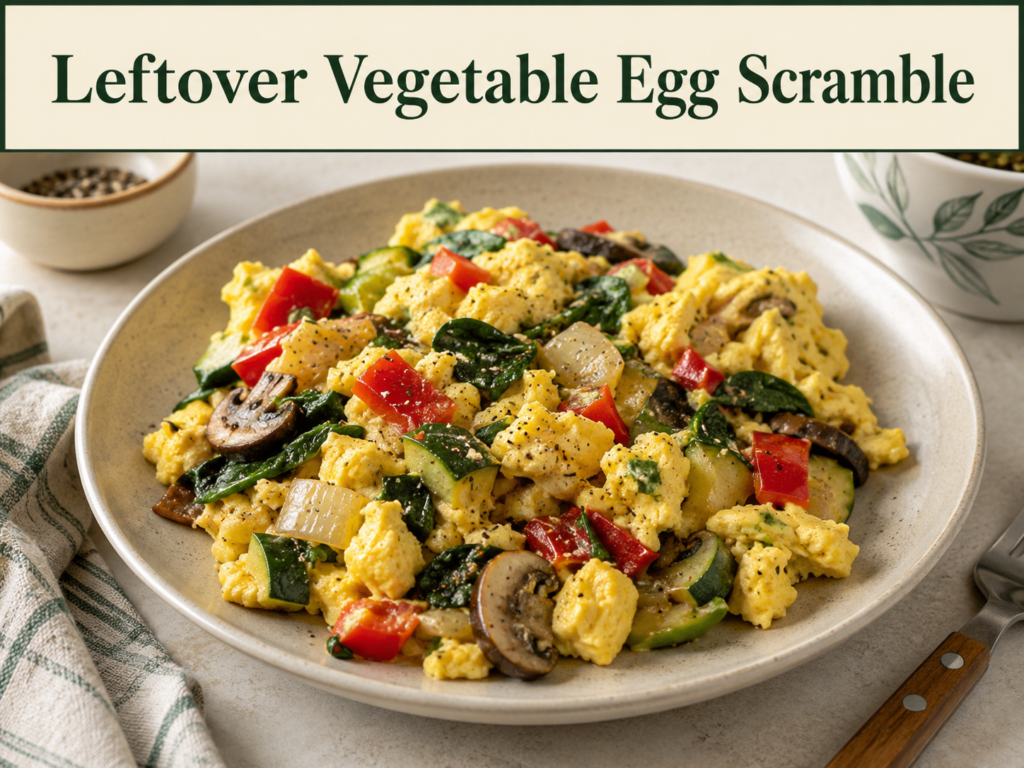
- Combine leftover vegetables with eggs for a quick scramble View Recipe
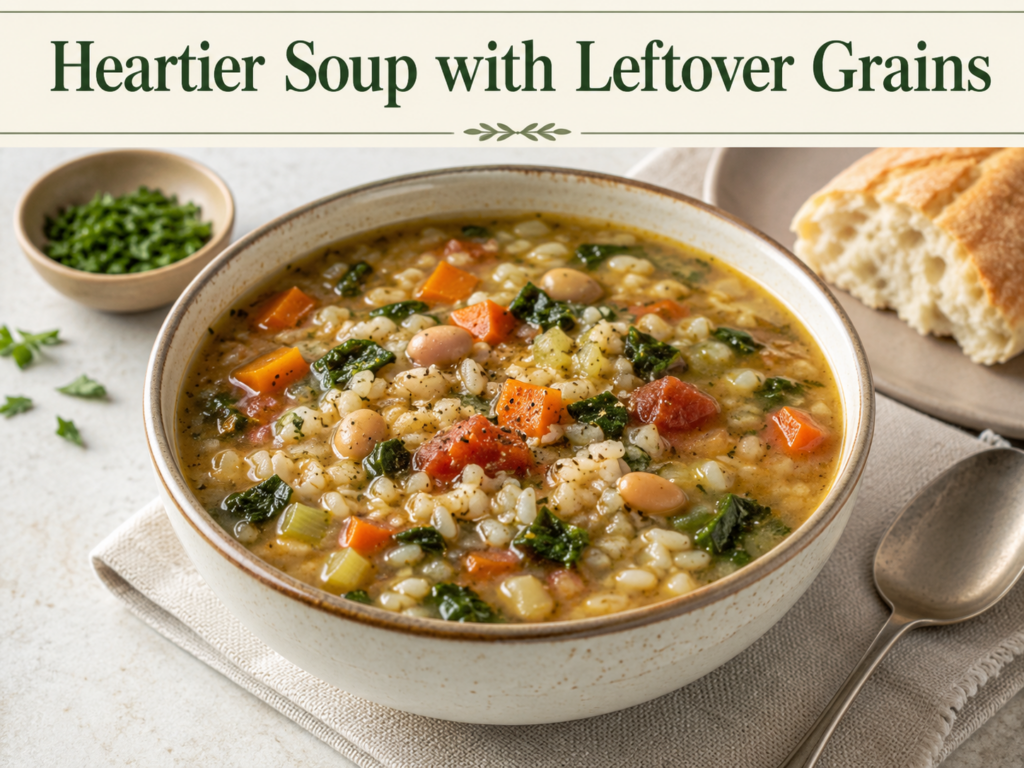
- Add leftover grains to canned soup for a heartier meal View Recipe
Planning dinner with lunch leftovers in mind reduces overall cooking time and ensures lunch is already prepared.

No-Cook and Low-Cook Lunch Options
Not every lunch requires cooking. Having reliable no-cook options makes eating well possible even on days when energy is low or time is limited.
No-Cook Lunch Ideas:

Complete no-cook lunches:
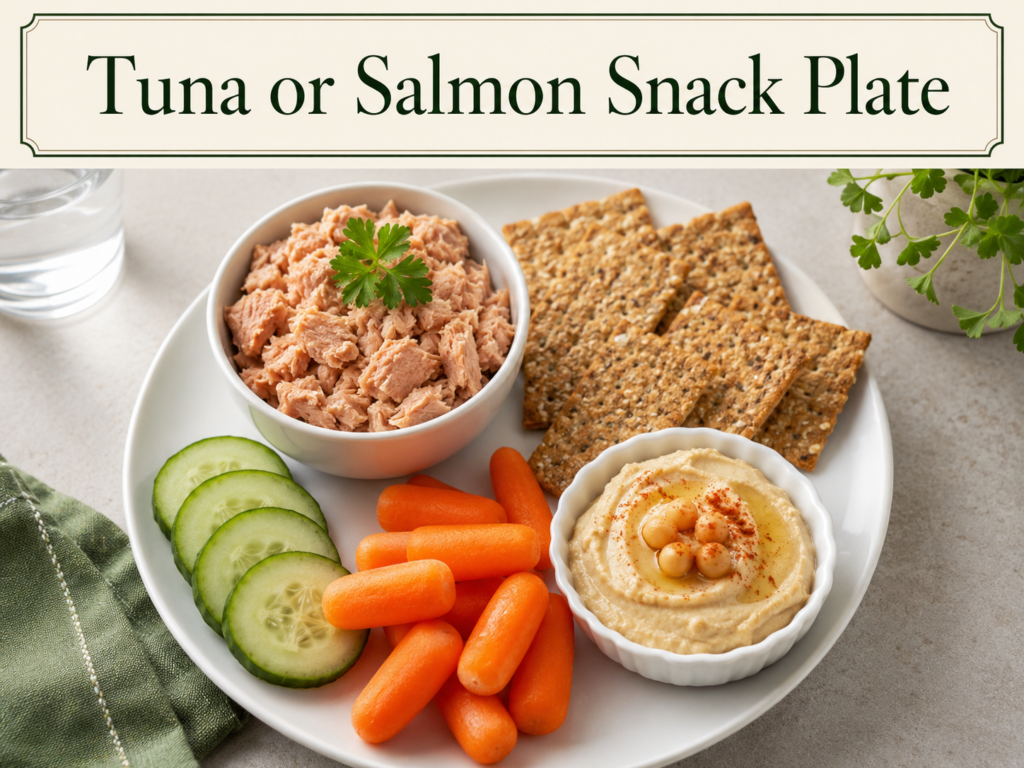
- Canned tuna or salmon with whole grain crackers, baby carrots, and hummus View Recipe
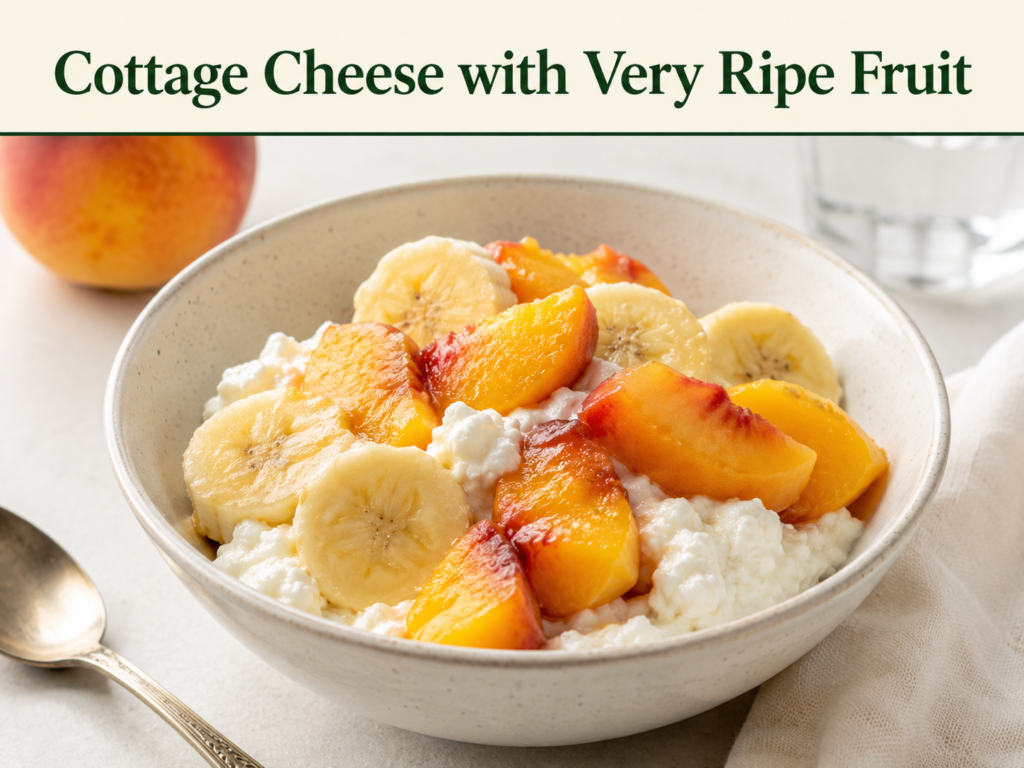
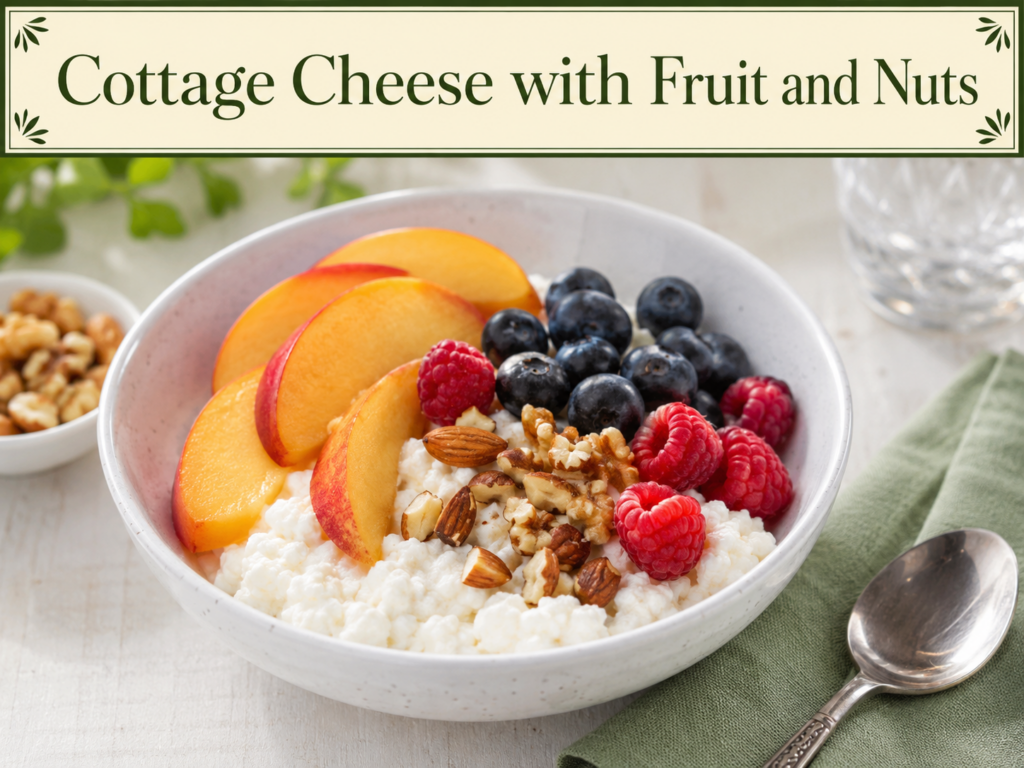
- Cottage cheese with sliced fruit and a handful of nuts View Recipe
- Pre-washed salad greens with rotisserie chicken, cherry tomatoes, and bottled dressing View Recipe
- Whole grain wrap with deli turkey, pre-sliced cheese, and bagged coleslaw mix View Recipe
- Greek yogurt with granola, berries, and a drizzle of honey View Recipe
Low-Cook Lunch Ideas:
Lunches requiring minimal cooking (under 10 minutes):
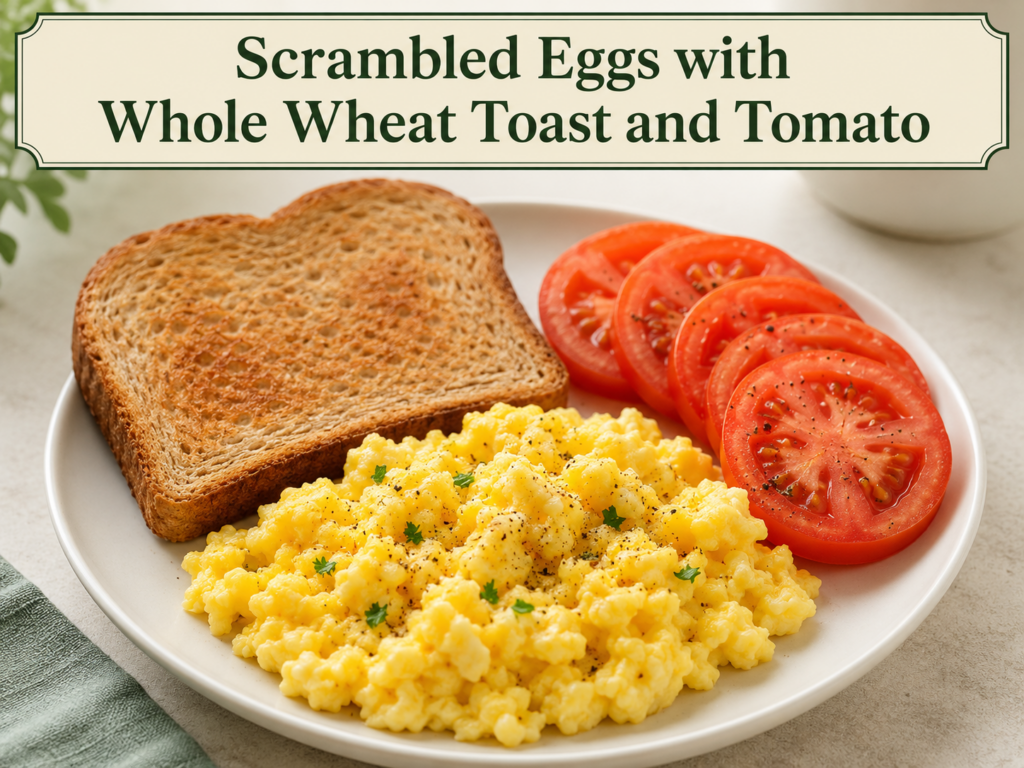
- Scrambled eggs with whole wheat toast and sliced tomato View Recipe
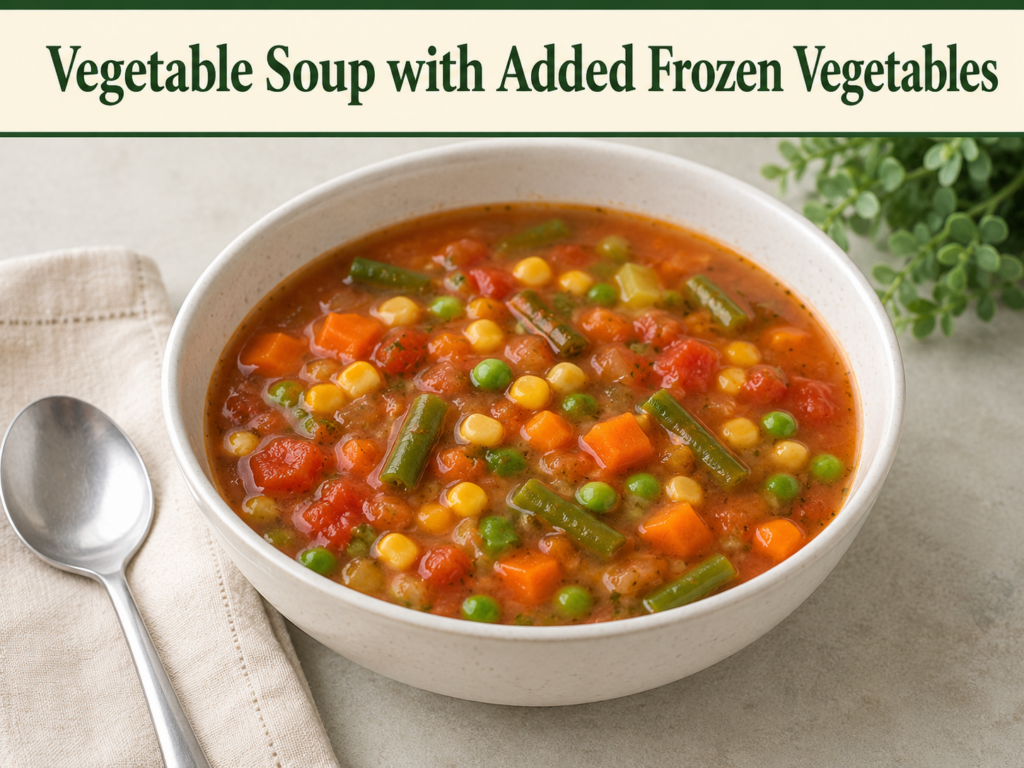
- Canned soup heated with added frozen vegetables View Recipe
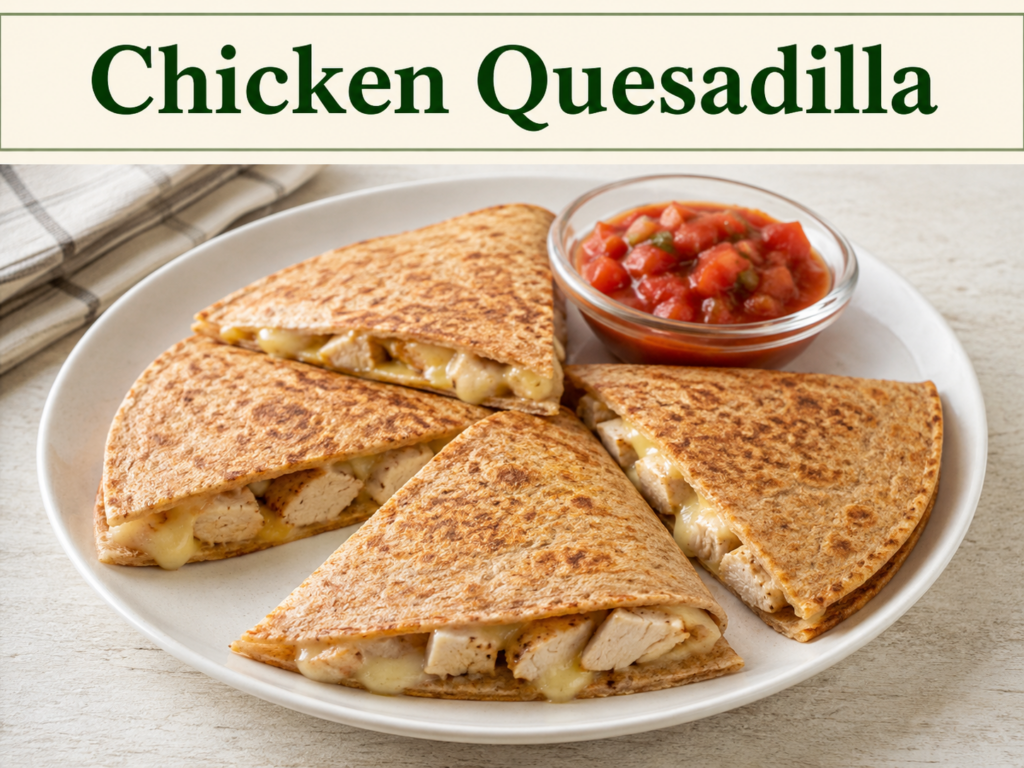
- Quesadilla: whole wheat tortilla with cheese and pre-cooked chicken, heated in a pan View Recipe
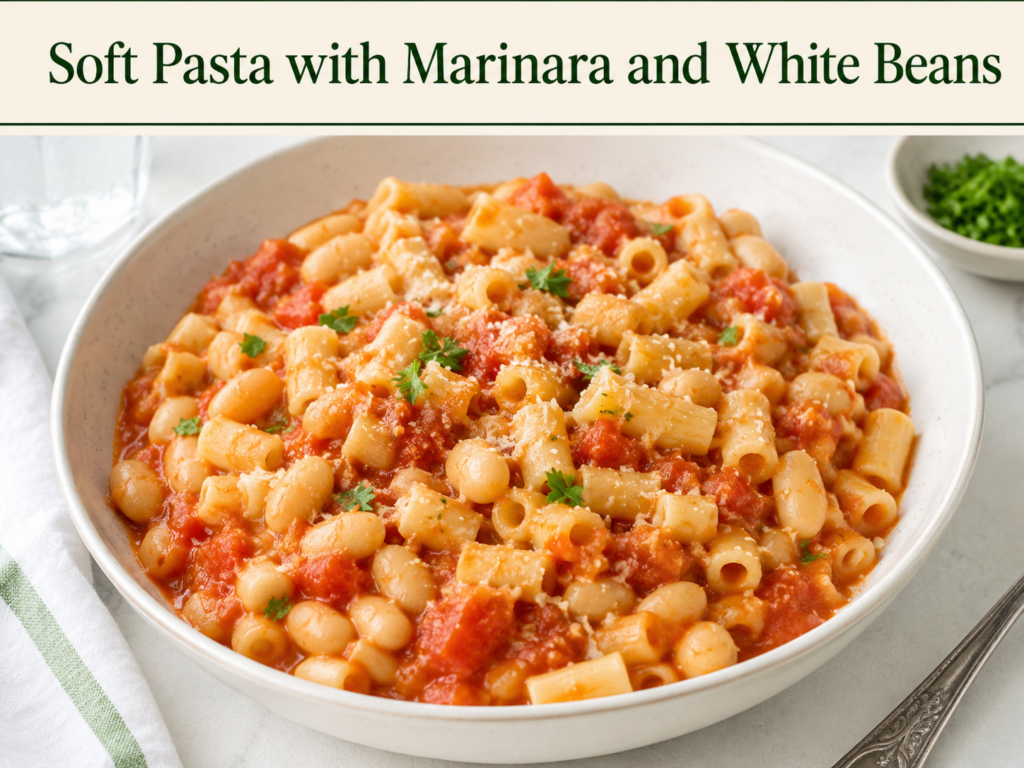
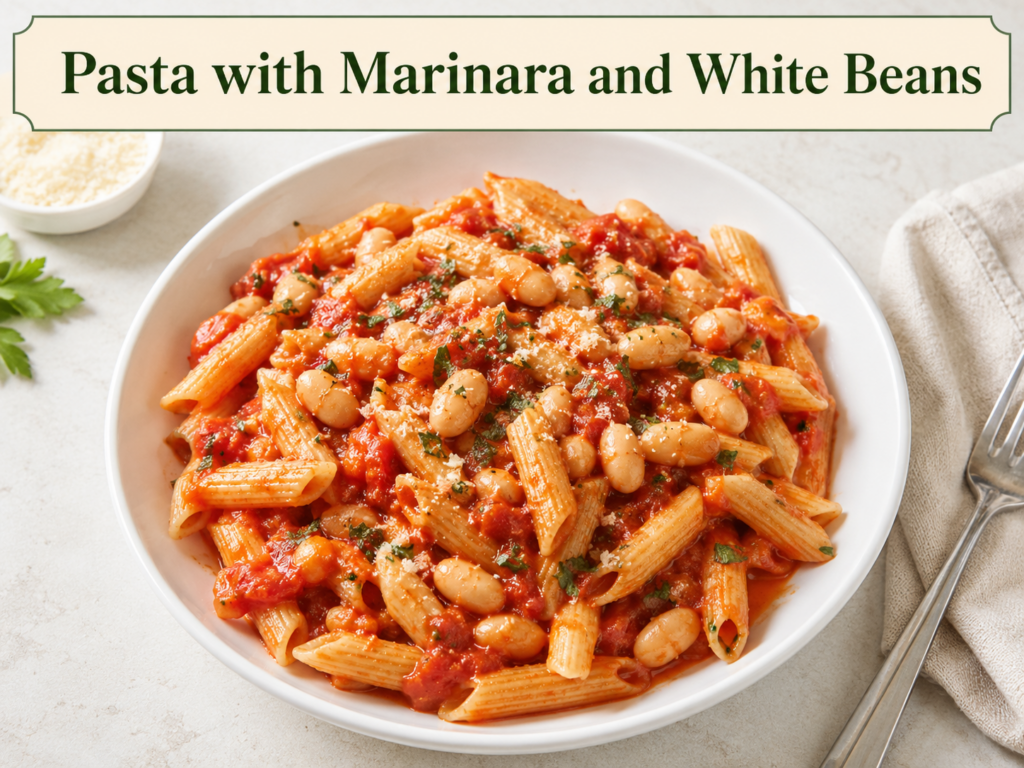
- Pasta with jarred marinara and canned white beans (pasta cooking is the only step) View Recipe
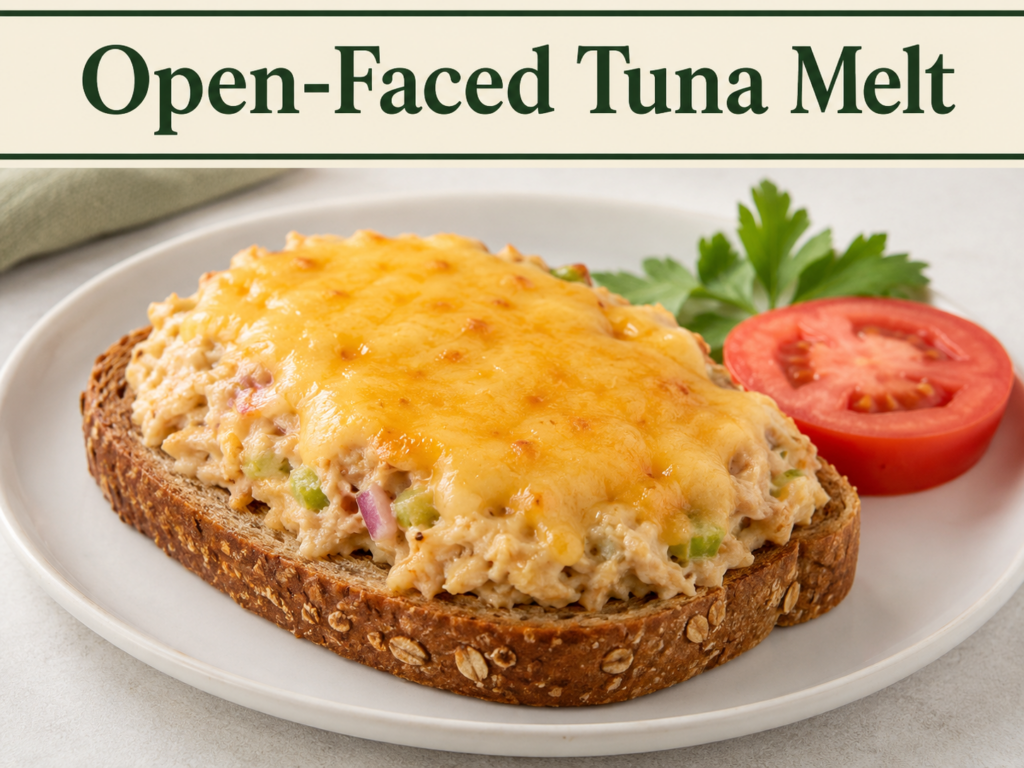
- Open-faced tuna melt: canned tuna on whole grain bread, topped with cheese and broiled[1] View Recipe
These options reduce the barrier to eating a balanced lunch when cooking feels like too much effort.
Pantry and Refrigerator Staples for Easy Lunches
Keeping certain ingredients on hand makes lunch preparation faster and reduces the need for frequent shopping trips.
Pantry Staples
✅ Proteins: canned tuna, canned salmon, canned chicken, canned beans (chickpeas, black beans, white beans)
✅ Grains: whole grain bread, whole wheat crackers, brown rice, quinoa, whole wheat pasta, oats
✅ Flavor enhancers: olive oil, vinegar, low-sodium broth, jarred salsa, hummus
✅ Shelf-stable produce: onions, garlic, canned tomatoes, canned vegetables
Canned fish provides omega-3 fatty acids and high-quality protein at a lower cost than fresh seafood.[2][5]
Refrigerator Staples
✅ Proteins: eggs, rotisserie chicken, deli turkey, cottage cheese, Greek yogurt
✅ Produce: pre-washed salad greens, cherry tomatoes, cucumbers, baby carrots, bell peppers
✅ Dairy: cheese, milk, plain yogurt
✅ Convenience items: pre-cooked grains, prepared salad dressing, pre-cut vegetables
Freezer Staples
✅ Proteins: frozen fish fillets, frozen cooked shrimp, frozen chicken breast
✅ Vegetables: frozen broccoli, frozen mixed vegetables, frozen spinach
✅ Grains: frozen brown rice, homemade soup portions
✅ Bread: whole grain bread (freezes well and can be toasted from frozen)
Having these items available means you can always assemble a balanced lunch without needing to shop first.
For more guidance on stocking a senior-friendly kitchen, see our article on healthy foods for seniors.
Higher-Protein Lunch Ideas for Smaller Appetites
When appetite decreases, focusing on protein-rich foods helps maintain muscle mass even when eating less overall.

Higher-protein lunch options:
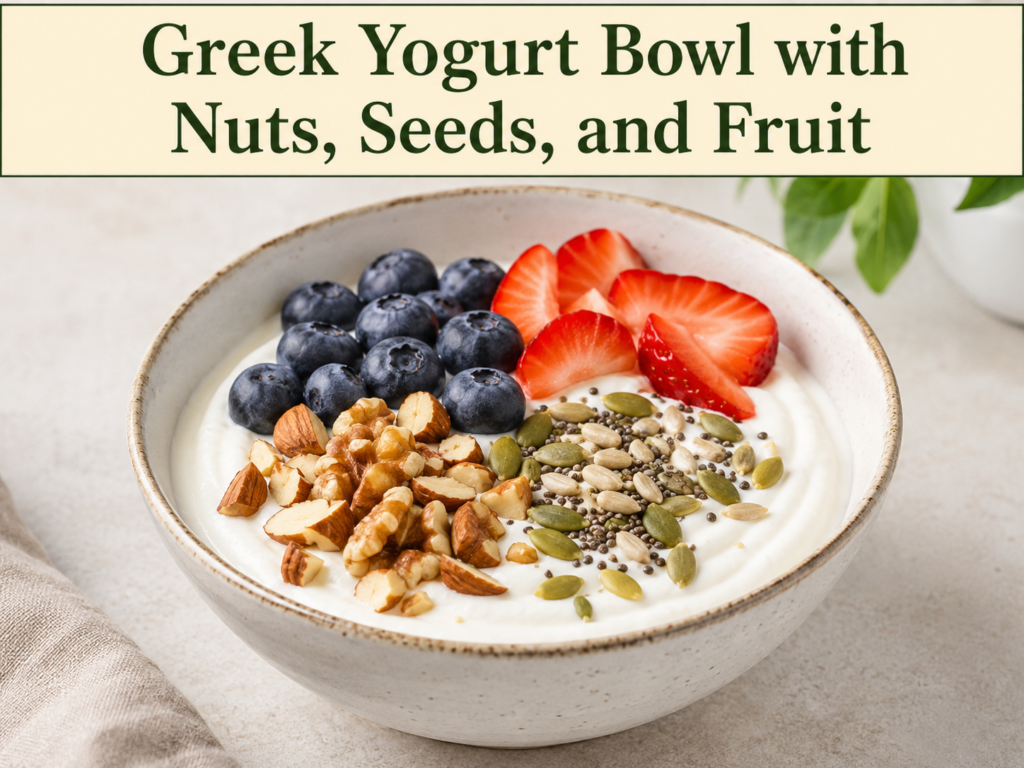
- Greek yogurt bowl with nuts, seeds, and a small amount of fruit View Recipe
- Egg-based meals: omelet, frittata, or egg salad View Recipe
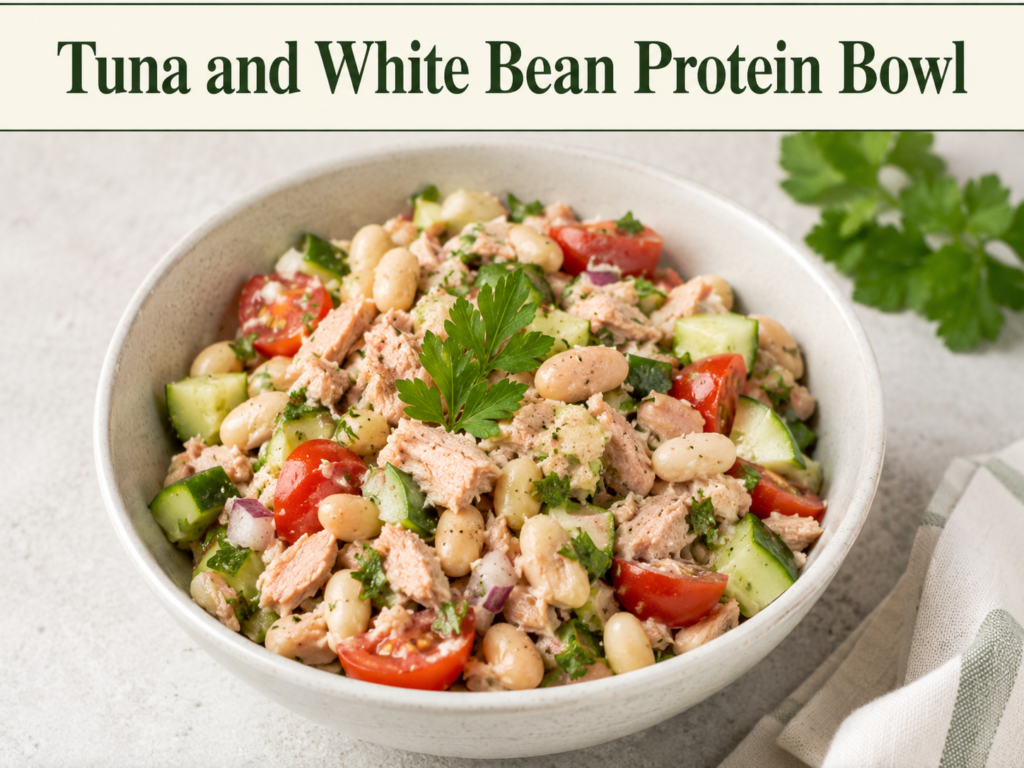
- Tuna or salmon mixed with white beans for double protein View Recipe
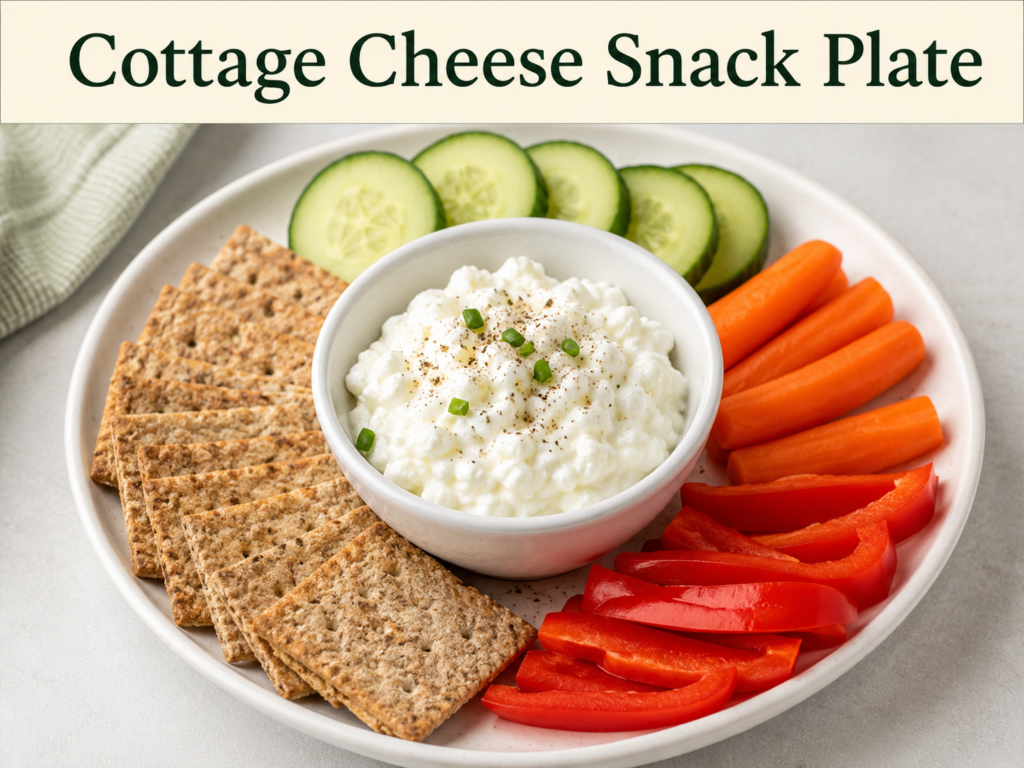
- Cottage cheese with whole grain crackers and vegetables View Recipe
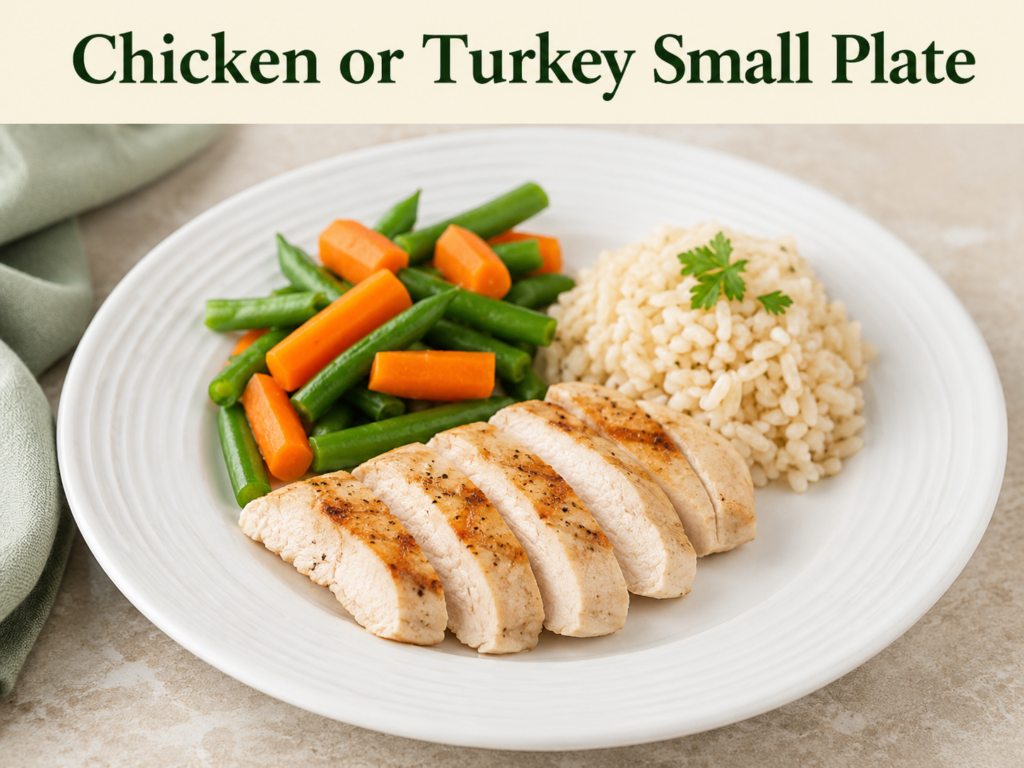
- Chicken or turkey as the main component with smaller portions of sides View Recipe
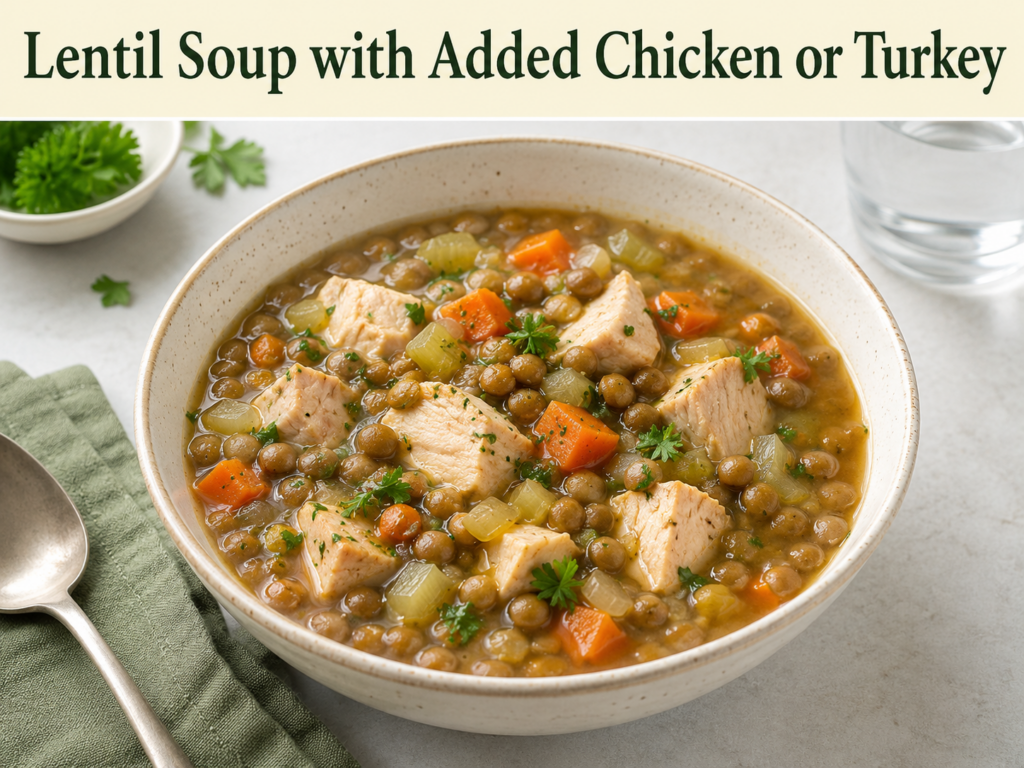
- Lentil soup with added chicken or turkey View Recipe
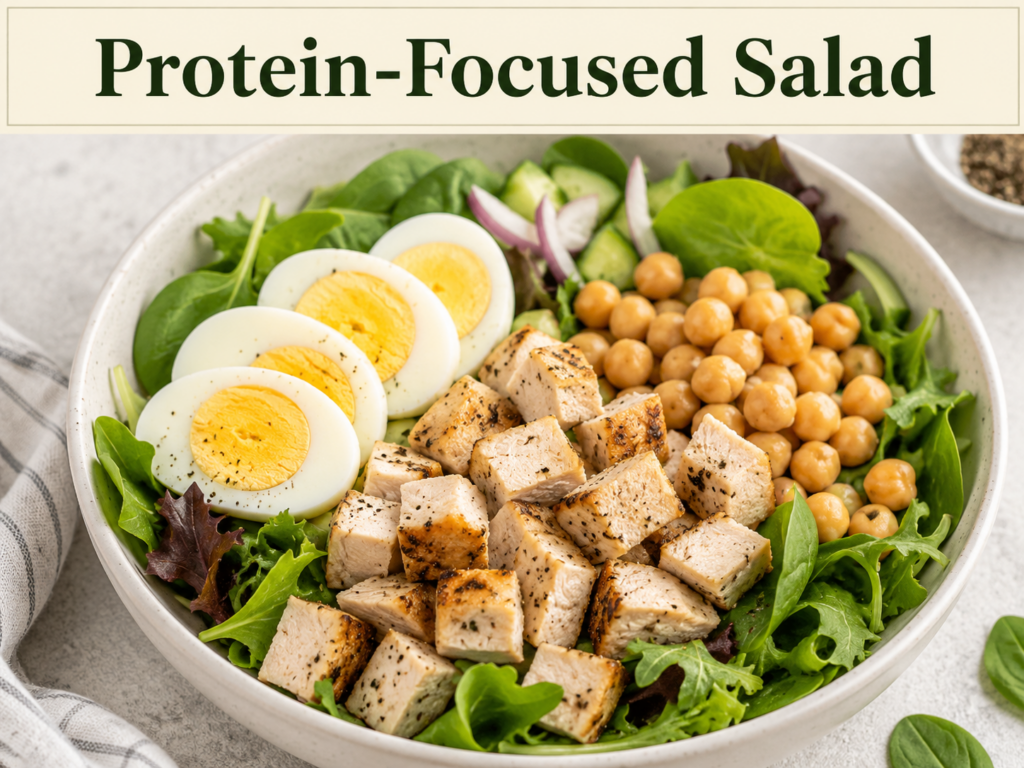
- Protein-focused salads with egg, chicken, and chickpeas combined View Recipe
Aim to include at least one substantial protein source at lunch. This might mean 3-4 ounces of meat, poultry, or fish, two eggs, one cup of beans, or one cup of cottage cheese or Greek yogurt.
Spreading protein across the day supports better muscle maintenance than eating most protein at one meal.

Softer-Texture Lunch Options
Dental issues, swallowing difficulties, or simply preferring softer foods don’t require giving up balanced nutrition.

Soft lunch ideas that maintain nutrition:
- Egg salad on soft whole wheat bread (crusts removed if needed) View Recipe
- Well-cooked pasta with marinara and white beans View Recipe
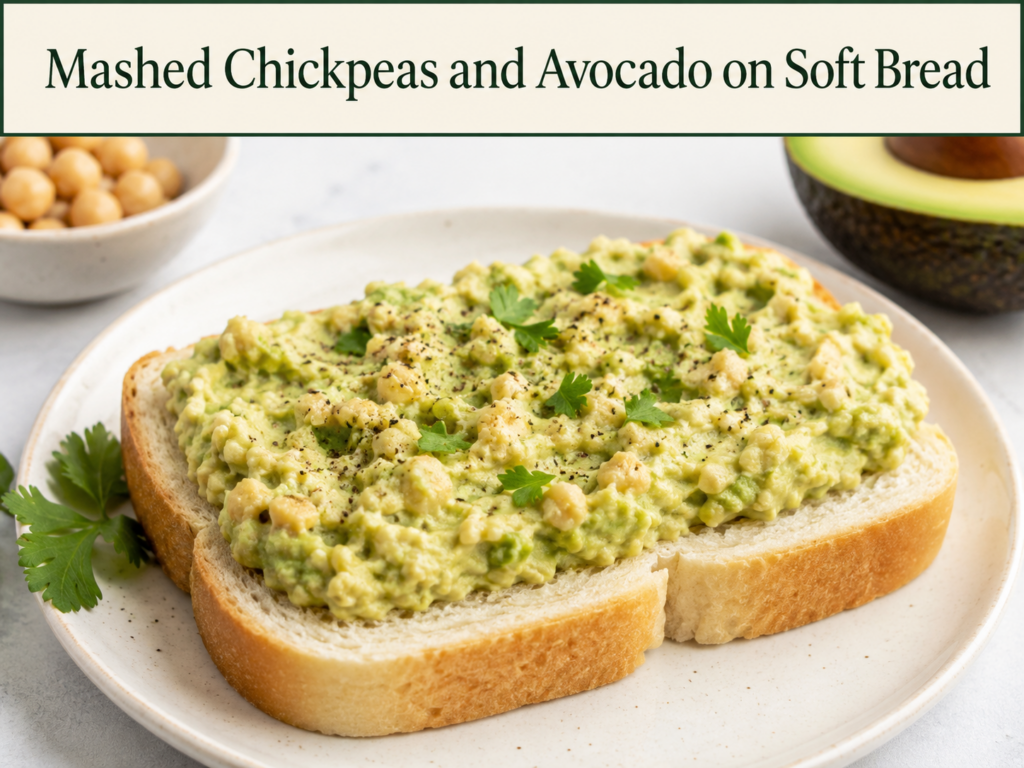
- Mashed chickpeas with avocado on soft bread View Recipe
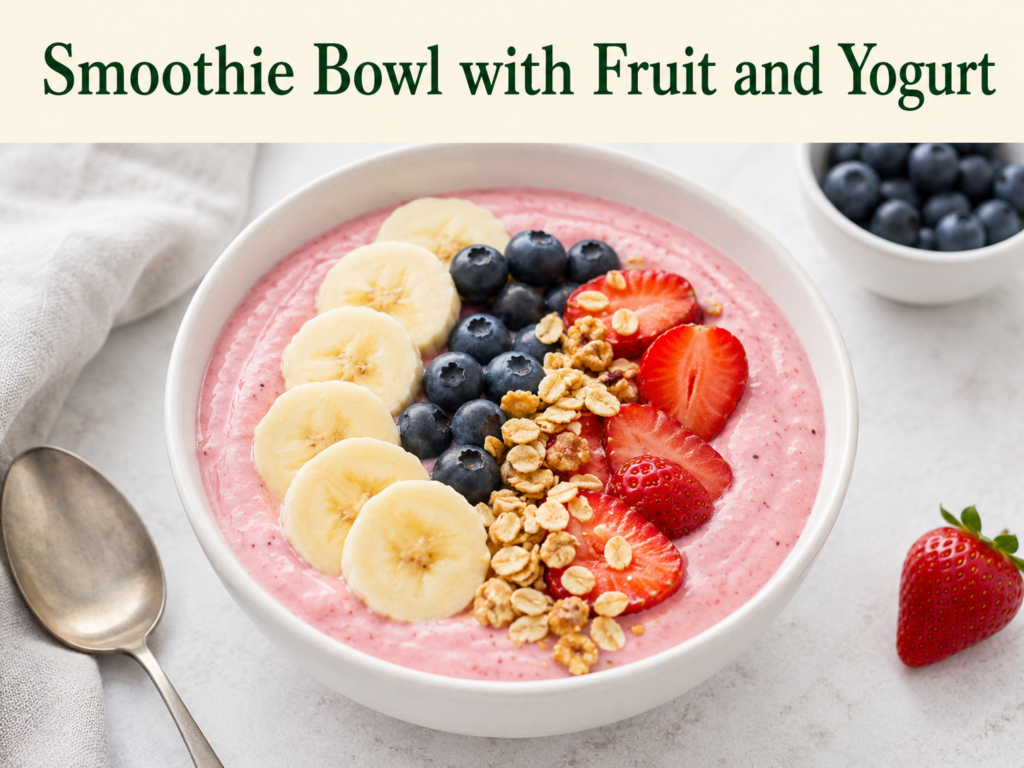
- Smoothie bowl: blended fruit, yogurt, protein powder, topped with soft granola View Recipe
- Soft-cooked vegetables with flaked fish and mashed sweet potato View Recipe
- Cottage cheese with very ripe fruit View Recipe
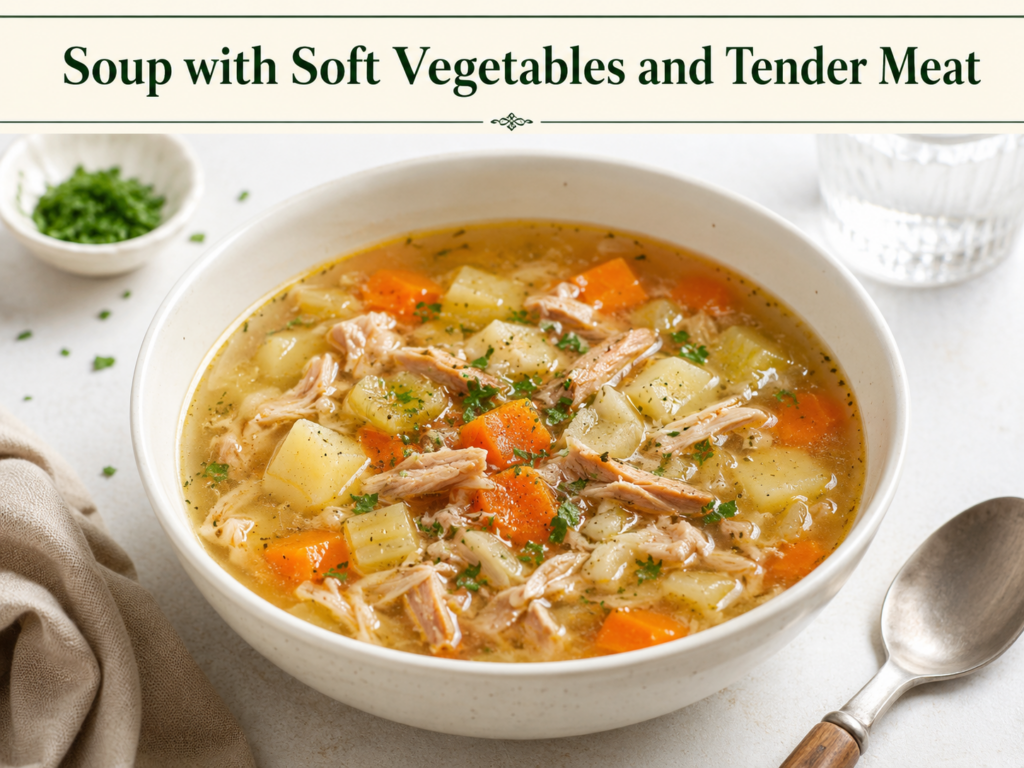
- Soup with soft vegetables and tender meat View Recipe
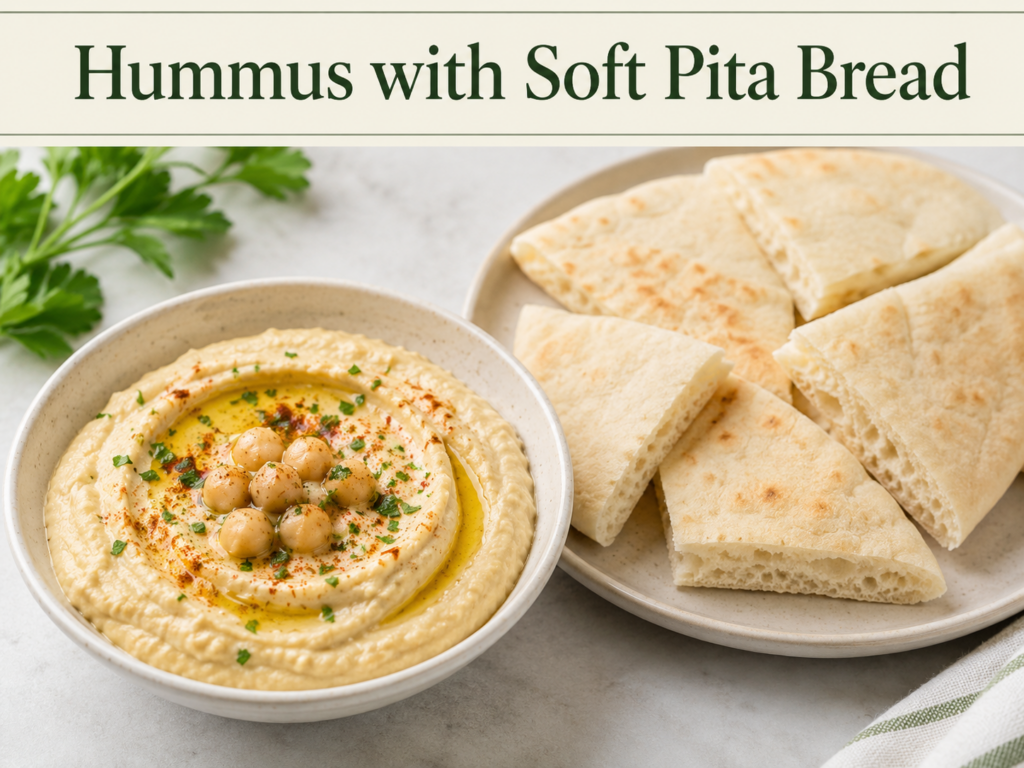
- Hummus with soft pita bread View Recipe
Roasted vegetables become naturally softer and easier to chew while maintaining fiber and nutrients. Eggplant, zucchini, and squash are particularly good options.
Ground meats, flaked fish, and shredded chicken are easier to manage than whole cuts of meat.
Food Safety and Storage Reminders
Proper food handling becomes more important as immune function changes with age.
Basic Food Safety for Lunches
🔒 Refrigerate perishable foods within two hours (one hour if room temperature is above 90°F)
🔒 Use refrigerated leftovers within 3-4 days
🔒 Keep cold foods cold (below 40°F) and hot foods hot (above 140°F)
🔒 Wash hands, utensils, and surfaces before food preparation
🔒 Check expiration dates on dairy, deli meats, and prepared foods
🔒 Reheat leftovers to 165°F (steaming hot throughout)
Storage Tips
- Store prepared lunch components in clear containers so you can see what’s available
- Label containers with dates if preparing multiple meals ahead
- Keep frequently used lunch items at eye level in the refrigerator
- Freeze individual portions of soup, grains, or proteins for longer storage
If food smells off, looks unusual, or you’re unsure how long it’s been stored, it’s safer to discard it.
Tips to Stay Consistent With Balanced Lunches
Consistency matters more than perfection. These strategies make balanced lunches more automatic.
Make It Easier
✓ Prep once, eat multiple times: wash and cut vegetables for several days, cook grains in batches
✓ Use convenience items without guilt: pre-washed greens, rotisserie chicken, canned beans
✓ Set up a lunch assembly station: keep lunch containers, utensils, and common ingredients in one area
✓ Keep it simple: rotating between 5-7 reliable lunch options is perfectly adequate
✓ Prepare during higher-energy times: if mornings are better, prep lunch then
Build Helpful Habits
✓ Eat lunch at roughly the same time each day to establish routine
✓ Set a gentle reminder if you tend to forget or skip lunch
✓ Sit down to eat rather than grazing, which helps with digestion and satisfaction
✓ Drink water with lunch to support hydration and digestion
✓ Keep backup options available for days when planned lunch doesn’t happen
The goal is making balanced lunches the path of least resistance, not an extra task that requires motivation.
For broader context on building sustainable eating patterns, see our guide to healthy eating tips for seniors.
When to Talk to a Doctor
Most healthy seniors can adjust their lunch choices based on personal preference and practical considerations. Certain situations warrant professional guidance:
- Significant unintended weight loss or gain
- New difficulty swallowing or frequent choking
- Persistent digestive discomfort after meals
- Managing multiple health conditions that affect food choices
- Taking medications that interact with specific foods
- Concerns about meeting nutritional needs with decreased appetite
- Questions about appropriate portion sizes for individual needs
A registered dietitian can provide personalized guidance for specific health conditions, medication interactions, or complex nutritional needs.
Conclusion
Healthy lunches for seniors don’t require complicated recipes or hard-to-find ingredients. Building lunches around four basic components—protein, produce, fiber-rich carbohydrate, and healthy fat—creates balanced meals that support energy, strength, and independence.
Choose formats that match your energy level and preferences: sandwiches, bowls, salads, soups, or simple leftover combinations. Keep staple ingredients on hand to make assembly quick and reduce decision-making. Focus on options that are genuinely easy to prepare and easy to eat.
Consistency matters more than variety. Having a handful of reliable lunch options that you rotate through works better than trying to create something different every day. The goal is nourishing your body in a sustainable way that fits into daily life without adding stress or excessive effort.
Start with one or two lunch ideas from this guide that sound appealing and manageable. Build from there based on what works for your schedule, preferences, and energy level. Small, consistent improvements in lunch quality add up to meaningful support for healthy aging over time.
For additional meal planning support, see our healthy meal plan framework for seniors and our collection of easy healthy meals.
Frequently Asked Questions
What is a good lunch for seniors?
A good lunch for seniors includes a source of protein, vegetables or fruit, a fiber-rich carbohydrate, and a small amount of healthy fat. Simple examples include a turkey sandwich with fruit, soup with whole grain bread, or Greek yogurt with berries and nuts.
What are some easy lunch ideas for seniors?
Easy lunch ideas include egg salad sandwiches, tuna with whole grain crackers, cottage cheese with fruit, hummus wraps, soup with bread, and rotisserie chicken added to a salad or grain bowl.
What are good high-protein lunches for seniors?
Good high-protein options include Greek yogurt, eggs, tuna, salmon, chicken, turkey, cottage cheese, beans, and lentils. Pairing one of these foods with vegetables, fruit, or whole grains can help create a balanced lunch.
What can seniors eat for lunch when they have a small appetite?
Smaller meals can still provide useful nutrition. Options include Greek yogurt with fruit, half a sandwich with soup, cottage cheese with crackers, egg salad on toast, or a small smoothie made with yogurt and fruit.
What are soft lunch ideas for seniors?
Soft lunch ideas include egg salad on soft bread, well-cooked pasta, mashed chickpeas with avocado, cottage cheese with ripe fruit, soup with tender vegetables, and flaked fish with mashed sweet potato.
This article is part of our Simple Healthy Meals for Seniors series.